Sri Lanka, an island nation rich in cultural and religious diversity, observes a myriad of funeral rituals deeply embedded in its societal fabric. While many traditions have stood the test of time, the landscape of end-of-life practices is not static. Recent developments, from novel infrastructure initiatives to significant policy shifts, underscore a dynamic environment where age-old customs intersect with modern considerations and evolving societal values.
A Glimpse into the Immediate Past: New Initiatives and Daily Observances
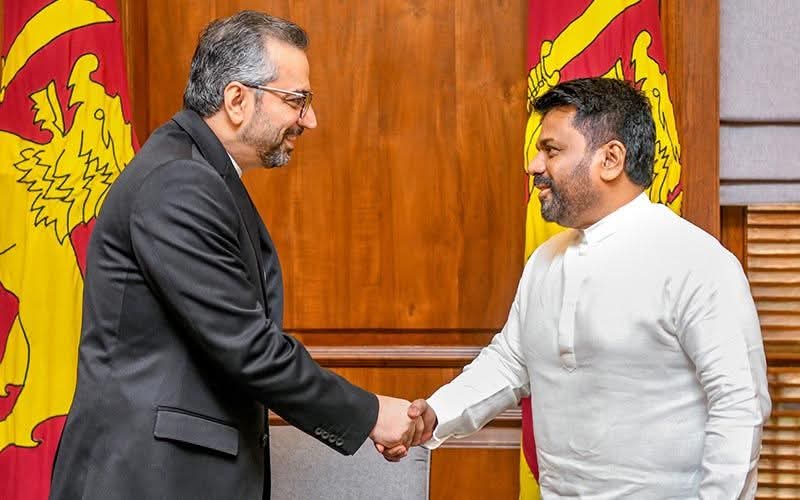
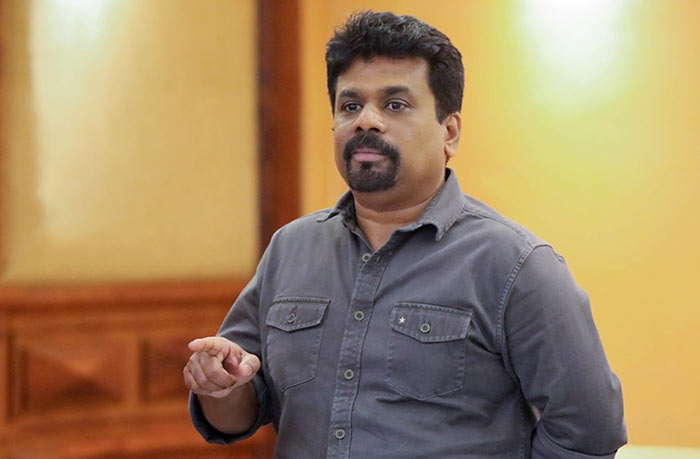
In a striking move reflecting a burgeoning emphasis on comprehensive end-of-life services, the Sri Lankan government recently unveiled plans for dedicated pet cremation facilities and a pet cemetery. During the presentation of the 2026 budget on November 7, 2025, President Anura Kumara Dissanayaka announced an allocation of 100 million rupees for this pilot project, to be launched by the Kesbawa and Piliyandala provincial councils. This initiative, while focused on companion animals, signifies a contemporary approach to grieving and acknowledging loss, hinting at an expanding definition of ‘farewell’ in the nation.
Beyond new infrastructure, the pulse of traditional human funeral arrangements continues across the island daily. Recent obituaries from early November 2025 reveal the consistent adherence to established practices. For instance, announcements detail viewing periods at prominent funeral parlours, followed by specific times for cremation at facilities like the General Cemetery, Borella (New Crematorium) or burial at locations such as Kanatte Borella Cemetery (Anglican Section). These notices, published in local media, serve as a real-time testament to the ongoing observance of diverse religious and customary rites, from interments to cremations across the country.
Landmark Policy Shifts: Upholding Religious Freedom in Death
Perhaps one of the most profound recent developments impacting funeral rituals in Sri Lanka stems from policy amendments initiated in 2024. In July 2024, the Sri Lankan government formally issued an apology to the island’s Muslim minority for the controversial policy of mandatory cremations for COVID-19 victims. This deeply distressing policy, enforced since March 2020, disregarded Islamic religious tenets which strictly mandate burial, and caused immense suffering to affected families.
Following sustained protests from Muslim groups and international pressure, the ban on burials for COVID-19 victims was initially lifted in February 2021. The July 2024 apology further solidified the government’s commitment to rectify past injustices, with a promise of new legislation to guarantee the right to burial or cremation according to an individual’s religious customs or final wishes. President Ranil Wickremesinghe, in April 2024, announced the establishment of a committee and future legislation aimed at coordinating arrangements for last rites in accordance with diverse religious customs, including those of the Muslim community. These developments signal a crucial step towards safeguarding religious freedom and ensuring that all communities can observe their sacred funeral rites without undue interference.
Diverse Traditions Endure: The Tapestry of Sri Lankan Funeral Rites
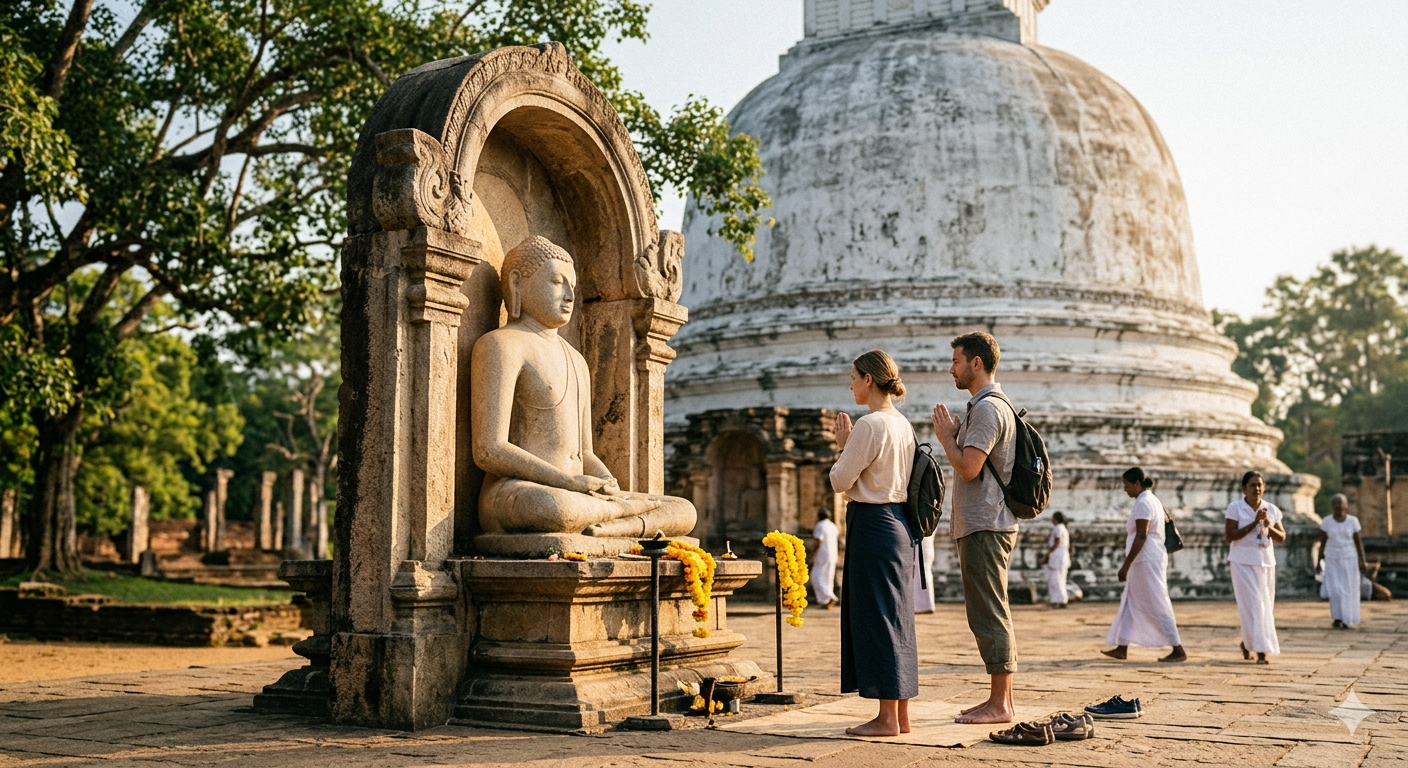
At its core, Sri Lanka’s funeral landscape is a vibrant tapestry woven from the threads of its major religions: Buddhism, Hinduism, Islam, and Christianity. Each faith approaches death with unique rituals, yet all share a common thread of reverence for the deceased and solace for the bereaved.
For the majority Sinhalese Buddhist community, death is seen as an inevitable transition in the cycle of rebirth. Rituals often involve chanting ‘pirith’ by monks for the dying, keeping the body at home or a funeral parlour for a few days to allow relatives to pay respects, and typically cremation. However, a poignant custom dictates burial if the deceased’s parents are still living. Post-funeral, merit-transferring ceremonies, such as ‘dana’ (almsgiving) to monks, are performed on the seventh day, third month, and annually to ensure a favourable rebirth for the departed.
Hindu funerals similarly often involve viewing the body before cremation, a practice that traditionally sees males attending the cremation grounds. Purification rituals and annual observances are also integral, aimed at the well-being of the deceased’s soul.
For Sri Lanka’s Muslim community, burial is non-negotiable, with bodies interred as soon as possible, facing Mecca. Cremation is strictly forbidden in Islam, making the past compulsory cremation policy particularly traumatic. Community organizations play a vital role in coordinating these swift and dignified burials.
Christian funerals, predominantly for Catholics and Anglicans, involve burials after a period of mourning and prayers, often including a funeral service at a church and burial in designated cemeteries. The viewing of the deceased’s body is also a common practice.
The Enduring Significance of Communal Support
Regardless of religious affiliation, a universal aspect of Sri Lankan funerals is the strong communal support system, often referred to as ‘mala gama’ (the gathering of the village). Neighbors and relatives rally around the grieving family, providing food and emotional sustenance. This collective mourning process, where stories and memories of the deceased are shared, is crucial for helping the bereaved accept their loss and navigate the painful journey of grief.
Conclusion
Sri Lanka’s funeral rituals are a living testament to its rich, multi-faceted heritage. While ancient traditions provide a profound framework for grieving and remembrance, recent developments, including the forward-thinking initiative for pet cemeteries and, more significantly, the government’s commitment to upholding religious freedom in death through apology and pending legislation, illustrate a nation striving to balance tradition with evolving societal norms and human rights. These ongoing conversations and adaptations ensure that the solemn process of farewell continues to be treated with the dignity, respect, and cultural sensitivity it deserves.