
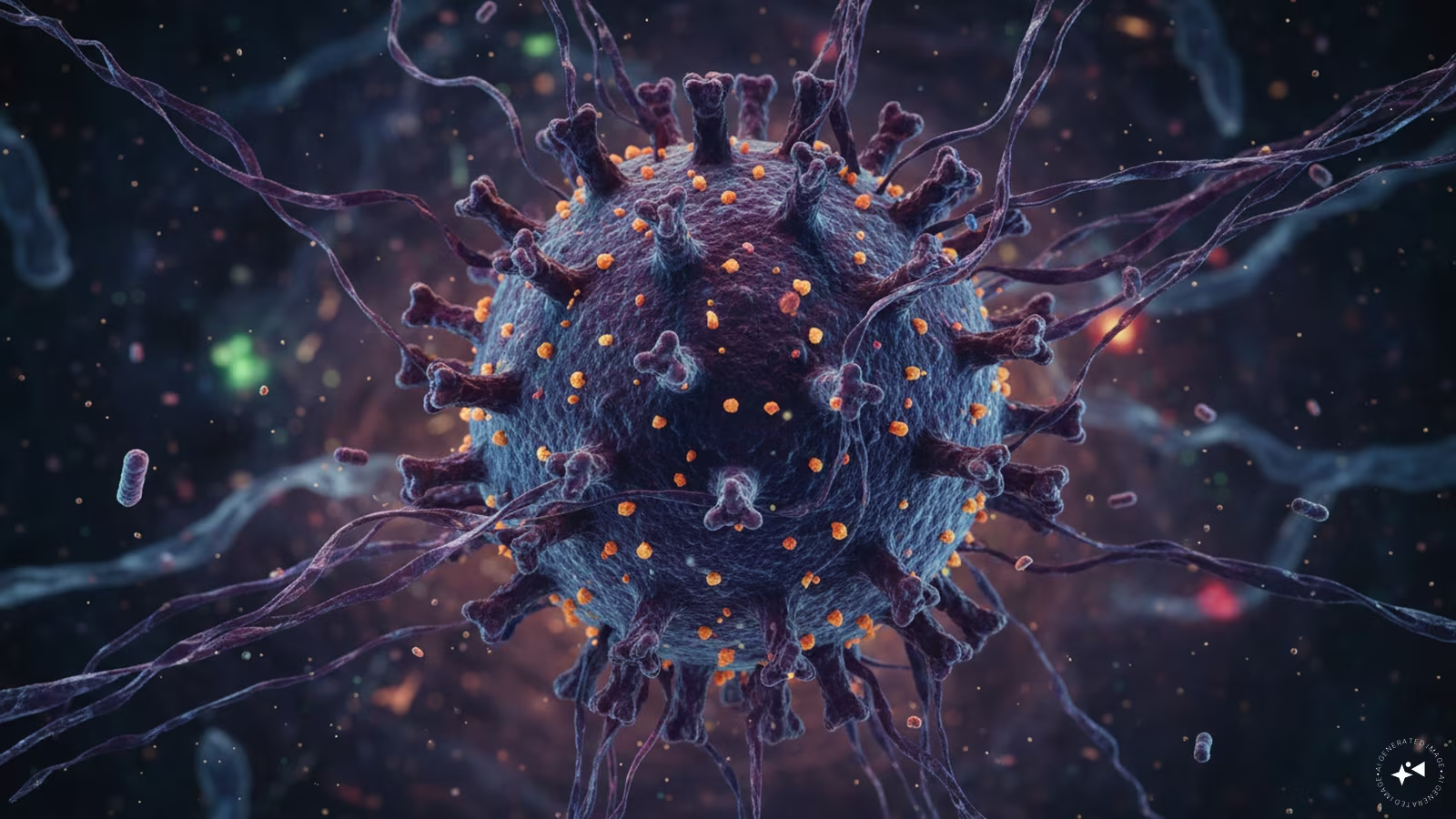
The first documented human infection with Shamonda virus has been confirmed in France, involving an immunocompromised patient who subsequently died in October 2026, raising questions about potential human risks, though health authorities maintain a very low risk to the general population. This development marks a significant point for a virus previously known primarily to affect livestock.
French authorities officially notified the World Health Organization (WHO) on October 20, 2026, about the laboratory-confirmed case. The patient, an older adult male from eastern France, was already hospitalized for a serious underlying illness and was severely immunocompromised. He developed severe neurological signs, including visual disturbances, confusion, loss of consciousness, and seizures, leading to a diagnosis of severe encephalitis before his death on October 8. Investigations are ongoing to determine if the Shamonda virus directly caused or contributed to his death and how the infection was acquired.
Understanding Shamonda Virus and its Spread
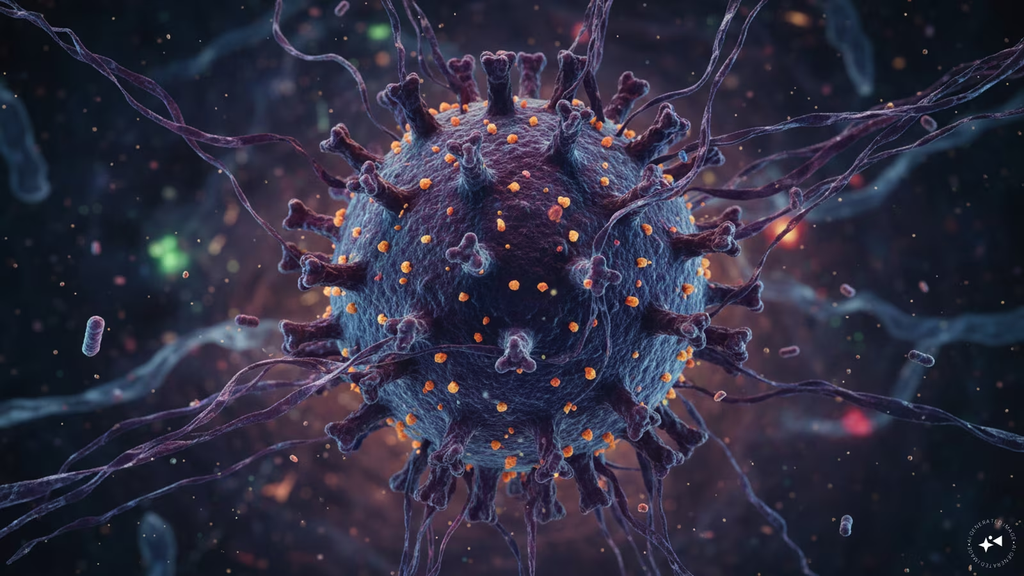
Shamonda virus (SHAV) is an RNA virus belonging to the Orthobunyavirus genus within the Simbu serogroup, closely related to Schmallenberg and Akabane viruses. It is primarily a vector-borne disease, transmitted between animals by the bites of Culicoides midges, a type of small, fly-like insect. Direct animal-to-animal transmission is not known to occur, except during pregnancy from an infected mother to her fetus.
First isolated in Nigeria in 1965, the virus has historically been detected sporadically in animals across Africa and Japan. However, Shamonda virus made its first appearance in Europe during the summer of 2026, initially identified in cattle in southern Germany and Switzerland. Since then, it has spread to numerous other European countries, including France, Spain, Portugal, Austria, Belgium, Ireland, the Netherlands, Italy, Liechtenstein, Luxembourg, and Great Britain. Two genetically distinct variants, SHAV-EU1 and SHAV-EU2, are currently circulating in Europe.
Impact on Animals
In livestock, particularly cattle, Shamonda virus can cause a range of symptoms, including fever, acute diarrhea, lethargy, and a sudden, temporary reduction in milk production. The virus is also associated with reproductive problems, such as returns to service, abortions, and congenital abnormalities in newborn calves and lambs, including musculoskeletal deformities and brain malformations. Neurological disease, sometimes accompanied by fever, has also been described in infected horses.
The emergence and spread of Shamonda virus in European livestock pose significant economic concerns for farmers due to reduced milk yields and reproductive losses.
Assessing Human Risk
Public health agencies worldwide, including the WHO, the European Centre for Disease Prevention and Control (ECDC), and national health authorities, are closely monitoring the situation. Despite the first human case, the consensus among experts is that the risk to the general population remains very low.
Several factors contribute to this assessment. Firstly, this is the first recognized human infection despite the virus circulating in animal populations in Africa and Asia for decades and more recently across Europe. This suggests that transmission to humans is extremely rare. Secondly, the French patient was severely immunocompromised, which likely made him particularly vulnerable to an infection that might not typically cause serious illness in healthy individuals.
Furthermore, there is currently no evidence of human-to-human transmission of Shamonda virus. Public health bodies also confirm that there is no identified food safety risk from consuming pasteurized milk or cooked meat from infected animals.
Ongoing Investigations and Future Outlook
Given that this is the sole reported human case, information on the disease’s clinical presentation and management in humans remains limited. There are currently no specific treatments or commercially available vaccines for Shamonda virus for either humans or livestock.
Scientists continue to investigate crucial aspects, including the exact route of infection for the French patient, the virus’s full teratogenic effects in animals, and whether healthy individuals can become infected without showing symptoms. Surveillance of livestock, laboratory investigations, and close coordination between animal and human health authorities are vital for a better understanding of the virus’s epidemiology, distribution, and potential impact. While the discovery of a human infection warrants continued scientific investigation and surveillance, it does not currently signal a widespread new public health threat.