
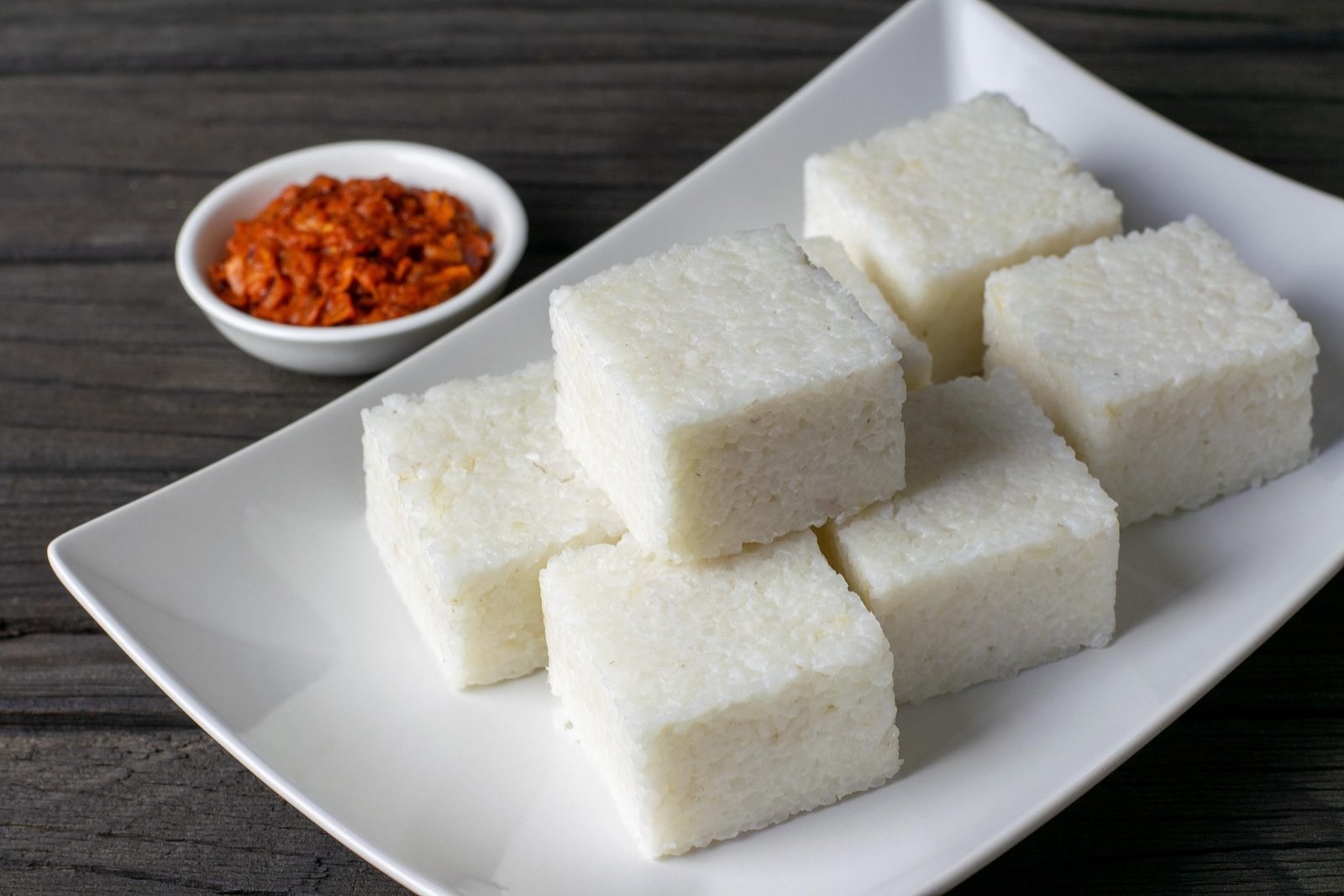
Kiribath, a traditional milk rice dish central to Sri Lankan culture, continues to be a profound symbol of prosperity, new beginnings, and national identity across the island and among its diaspora. This humble yet significant dish, made from rice cooked in thick coconut milk, holds a cherished place in celebrations ranging from the Sinhala and Tamil New Year to everyday auspicious moments.
Known as “milk rice” in Sinhala, Kiribath is more than just a meal; it embodies a rich tapestry of history and communal values. Its preparation and consumption are deeply intertwined with cultural rituals, signifying purity, health, and abundance for the future.
A Staple for Auspicious Occasions
In Sri Lanka, Kiribath is indispensable for marking significant life events and milestones. It is the customary first meal consumed during the Sinhala and Tamil New Year (Aluth Avurudda) in April, symbolizing blessings and a fresh start for the year ahead. Families traditionally light a hearth and prepare Kiribath at dawn on New Year’s Day, often making offerings to the Buddha and deities before the family partakes.
Beyond the New Year, Kiribath graces tables at weddings, housewarmings, birthdays, and even as the symbolic first solid food given to infants. Its presence signals gratitude, family bonds, and hopes for continued prosperity, reflecting its enduring popularity across all social strata.
Crafting the Traditional Dish
The essence of Kiribath lies in its simple yet precise preparation. It typically involves cooking white or red rice until soft, then simmering it with thick, full-fat coconut milk and a pinch of salt until it achieves a creamy, cohesive consistency. The use of thick coconut milk is a distinguishing feature, imparting a unique velvety mouthfeel and mildly sweet aroma, contrasting with similar rice preparations in other Asian cuisines that might use dairy or thinner broths.
Once cooked, the warm mixture is traditionally pressed onto a flat dish, often lined with a banana leaf, and allowed to cool slightly before being cut into distinctive diamond or square shapes. This deliberate shaping underscores its ceremonial role, as portions are cut and shared rather than casually scooped.
Accompaniments and Variations
Kiribath’s mild, coconut-rich flavour makes it a versatile base, traditionally paired with contrasting accompaniments. The most common is Lunu Miris, a fiery relish made from red chili flakes, onions, salt, and lime juice, sometimes with Maldive fish. Other popular pairings include Seeni Sambol (a sweet and spicy caramelised onion relish), jaggery (palm sugar) for a sweet counterpoint, or fresh bananas.
While the classic recipe remains central, regional variations exist. Some versions incorporate green gram (mung beans) for added nourishment, known as Mung Kiribath, or are sweetened with jaggery in up-country regions.
Enduring Heritage and Global Reach
Tracing its roots back over two millennia to ancient Sri Lankan rice cultivation practices, Kiribath is immortalized in oral traditions and early records as a food prepared for harvest festivals and royal feasts. Today, its legacy thrives not only in modern Sri Lankan kitchens but also within diaspora communities worldwide, where recreating the dish connects individuals to their heritage and fosters a sense of home.
For many, Kiribath is more than sustenance; it is a shared experience, a story of prosperity, and a tangible link to generations of tradition.