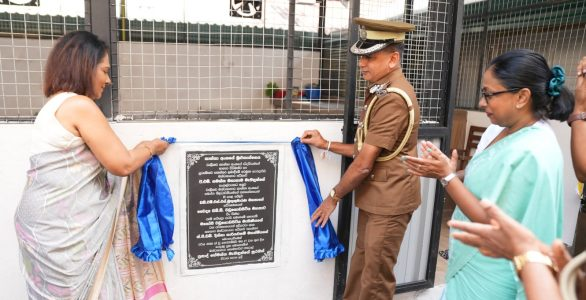
A new dedicated kitchen and a Samadhi Buddha statue were officially opened on November 17, 2026, at the Women’s Unit of Welikada Prison in Colombo, Sri Lanka, aiming to significantly improve the nutritional standards for female inmates and their young children, as well as foster mental and spiritual well-being within the facility.
The inauguration represents a notable step in addressing the specific needs of women in incarceration, particularly the 36 children currently residing with their mothers in the unit. Previously, meals for the women’s unit were prepared and supplied from the main prison, which presented challenges in meeting the precise nutritional requirements of young children.
Dedicated Facilities for Enhanced Well-being
Deputy Minister of Mass Media, Dr. Kaushalya Ariyaratne, and Acting Commissioner General of Prisons, Prasad Hemantha Kumara, presided over the opening ceremony. The new kitchen is the first of its kind in a Sri Lankan prison specifically designed to ensure the proper and safe preparation of food tailored to the dietary needs of female inmates and their children.
Alongside the culinary improvements, the newly installed Samadhi Buddha statue is intended to promote mental and spiritual solace for both the female inmates and prison officers. This dual focus on physical sustenance and spiritual support underscores a holistic approach to inmate welfare.
The development was made possible through a financial donation from Manoji Wadugodapitiya, who serves as a member of the Prison Inspection Committee and is the Chairperson of PAM Hydro Power Company.
Broader Reforms and Living Condition Improvements
In addition to the kitchen and spiritual installation, the Welikada Prison Women’s Unit has also recently seen the refurbishment and installation of 12 modernised toilets and bathrooms, along with new electric fans, all aimed at enhancing the overall living conditions for female inmates.
During the opening event, Deputy Minister Ariyaratne highlighted broader government initiatives aimed at expediting judicial processes for remand prisoners. She stated that measures include tripling the issuance of forensic reports and accelerating court procedures. The Deputy Minister also mentioned increased opportunities for individuals with drug addiction to voluntarily undergo rehabilitation.
Context of Sri Lanka’s Prison System
The Welikada Prison, established in 1841 by the British colonial government, is Sri Lanka’s largest and oldest maximum-security correctional facility. Historically, it has faced significant challenges, including severe overcrowding, often housing more than double its intended capacity. Reports from past years have detailed concerns about the general living conditions, sanitation, and specific difficulties faced by female inmates, including inadequate bathroom facilities and a lack of proper rehabilitation efforts.
While plans for the prison’s relocation to Horana by 2024 were previously discussed, an interview from March 2026 indicated that the decision was made not to proceed with the move, allowing for direct investment in improving the existing infrastructure. This shift enables focused enhancements such as those recently implemented in the Women’s Unit.
The current improvements at the Welikada Prison Women’s Unit reflect an ongoing commitment to modernising facilities and addressing critical welfare aspects within Sri Lanka’s correctional system. Such initiatives are vital in supporting the well-being of a vulnerable population, particularly mothers and their young children, who face unique challenges within prison environments.