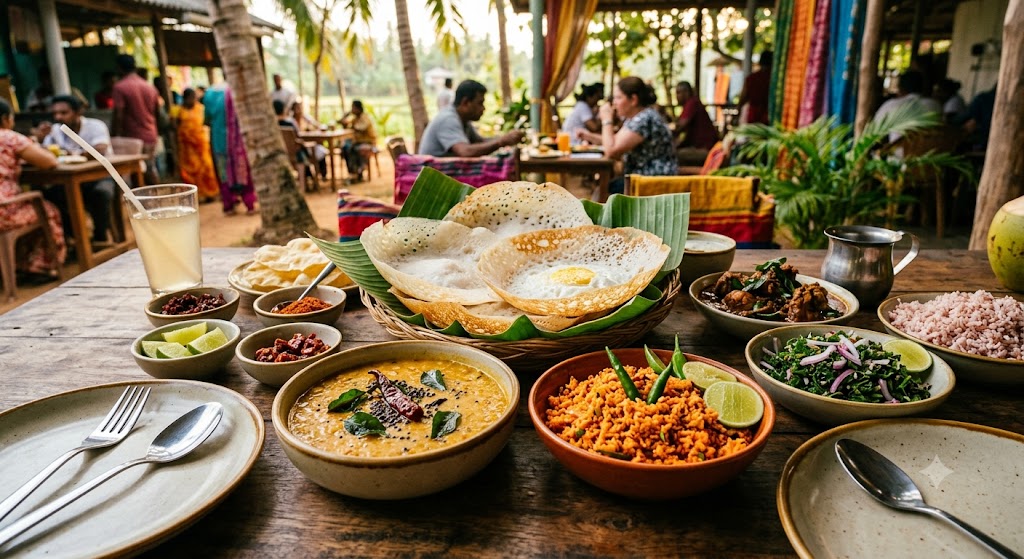

Welcome to Sri Lanka! As a fellow traveler, I can tell you that the island’s cuisine is an incredible, vibrant journey built on layers of coconut, pandan, and roasted spices. But let’s be honest: while most of the food is a 10/10 banger, there are some local delicacies that can absolutely ambush an unprepared European palate.
If you aren’t accustomed to blistering heat, intense sourness, or pungent fermented aromas, here are the top 10 Sri Lankan foods you might want to approach with extreme caution (or avoid altogether).
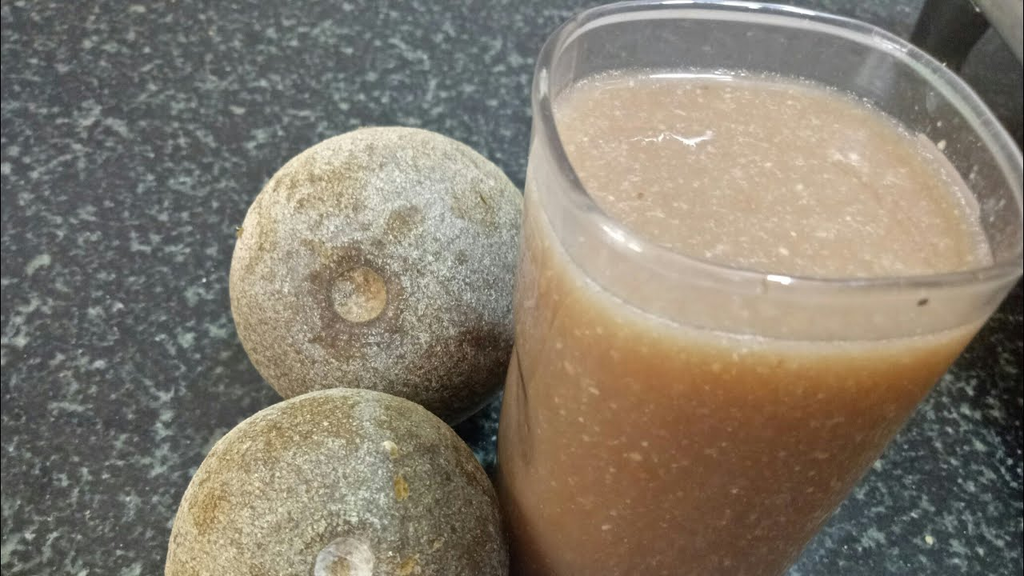
1. Wood Apple (Divul) Juice
If you wander through a local market, your nose will find the wood apple before your eyes do. Encased in a hard, woody shell, the fruit inside looks a bit like brown paste and carries a funky, slightly fermented aroma that borders on blue cheese. Blended into a smoothie with water and jaggery, it is a beloved local digestive aid, but the sweet, sour, and pungent combination is a massive culture shock for European tastebuds.
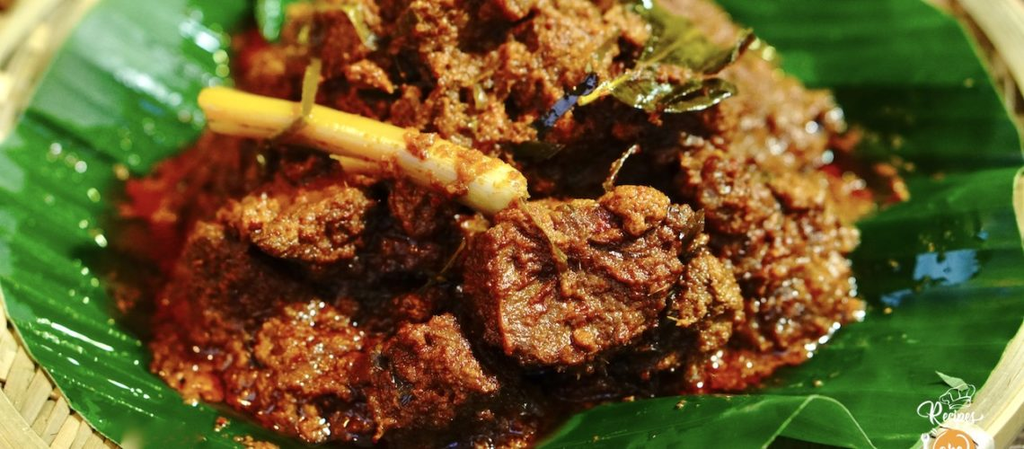
2. Ambul Thiyal (Sour Fish Curry)
This isn’t your standard creamy, coconut-based fish curry. Ambul Thiyal is a dry, dark, and intensely peppery dish preserved using goraka (Indian tamarind), which imparts a sharp, astringent sourness. It’s a brilliant preservation technique, but the resulting tart, dry, and heavily spiced chunks of tuna can be overwhelming if you were expecting a mild, saucy curry.
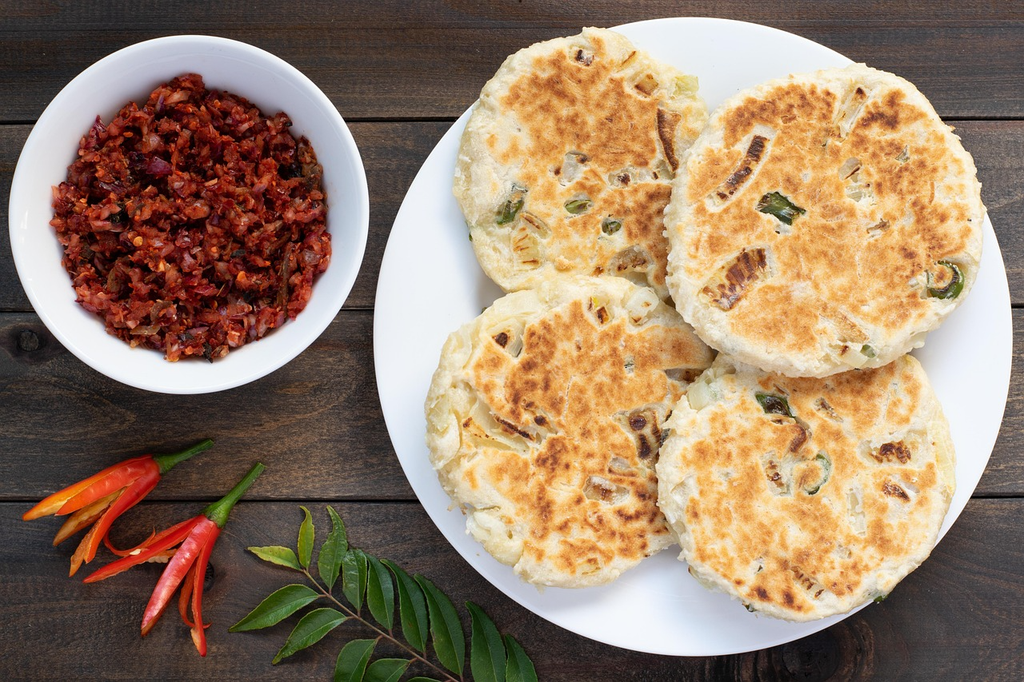
3. Lunu Miris (Katta Sambol)
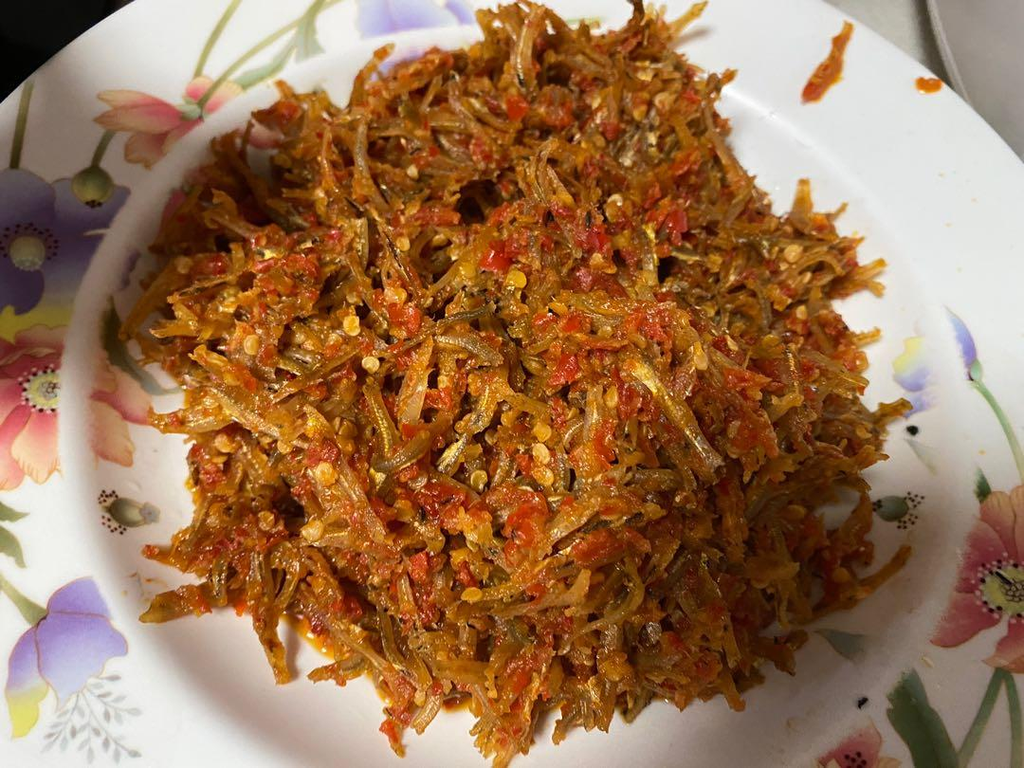
Sri Lankans love their sambols (fresh relishes), but this one is pure fire. Lunu Miris translates literally to “salt and chili.” It is a fiery paste made by crushing raw red chilies, onions, salt, lime juice, and pungent Maldive fish together. A small dab will scorch your tongue. If you are entirely intolerant to spice, asking for “no spice” won’t save you if this is on the table.
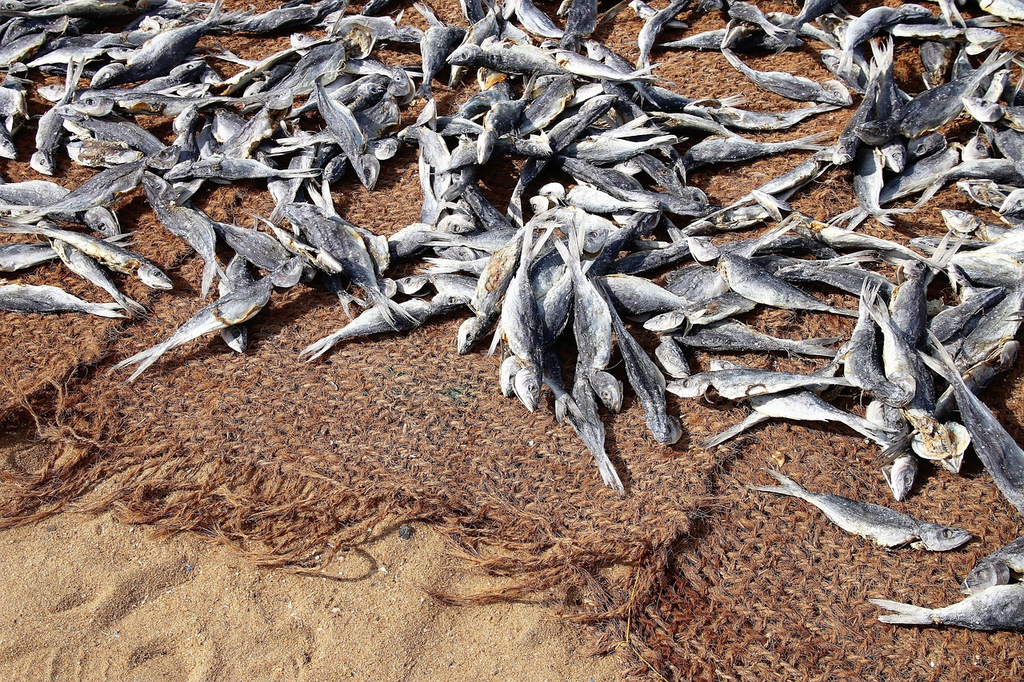
4. Karawala (Dried Fish Curry)
Before modern refrigeration, salting and drying fish in the sun was essential. Karawala is rehydrated and cooked into a curry that boasts an incredibly pungent, room-clearing aroma and a deeply salty, fishy flavor. If you grew up on mild cod or salmon, the aggressive umami of Karawala will likely be a step too far.
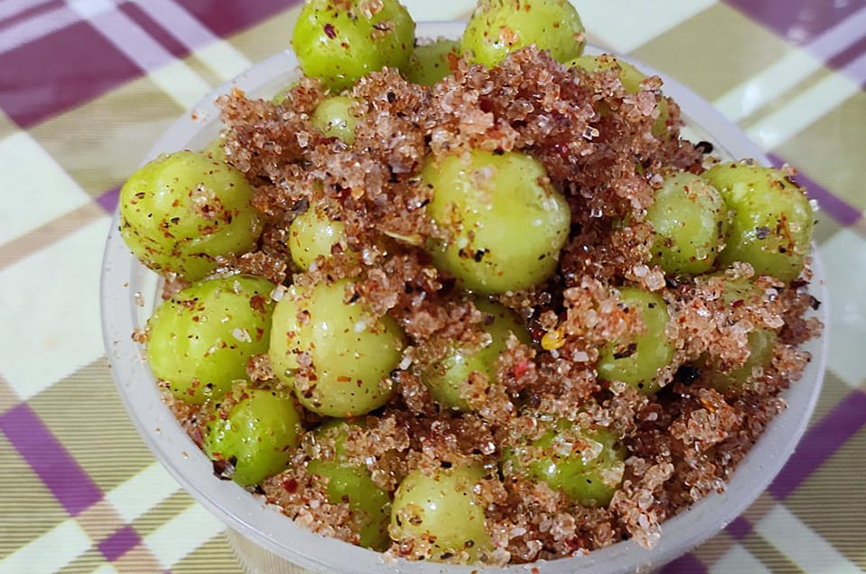
5. Achcharu (Spicy Pickled Fruit)
Walking along the Galle Face Green or local waterfronts, you’ll see vendors selling little bags of achcharu. In Europe, fruit is sweet. In Sri Lanka, raw mango, pineapple, or ambarella is pickled in vinegar and aggressively tossed in raw red chili powder and salt. It’s an explosion of sour, salty, and spicy that will leave you in tears.
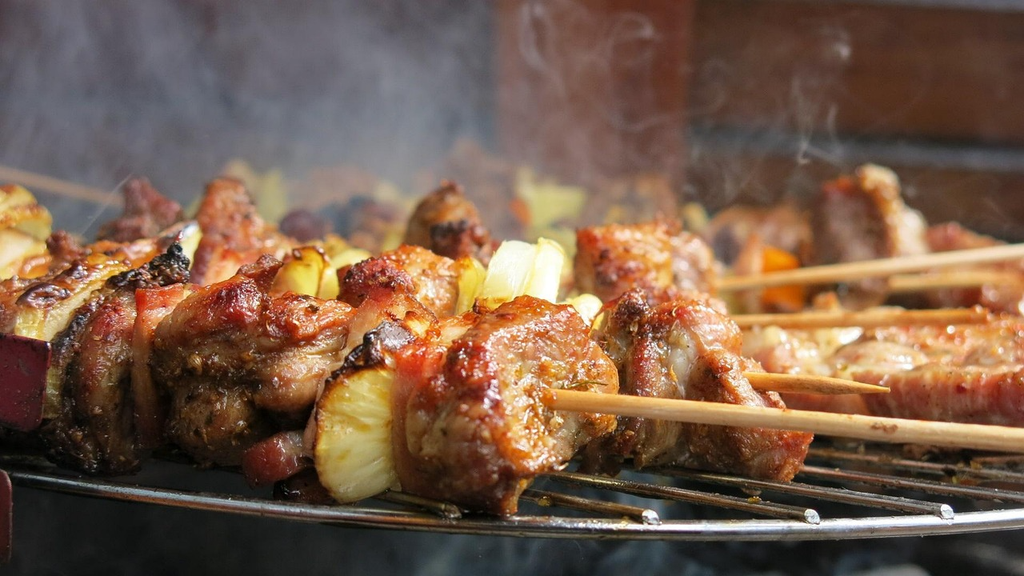
6. Devilled Dishes
Do not let the shiny, sticky sauce fool you. Whether it’s devilled chicken, cuttlefish, or prawns, this popular tourist-menu item looks exactly like a mild Chinese sweet and sour dish. It is a trap. The sweet sauce is heavily laced with hidden green chilies and capsicum, delivering a delayed, blistering heat that catches many tourists completely off guard.
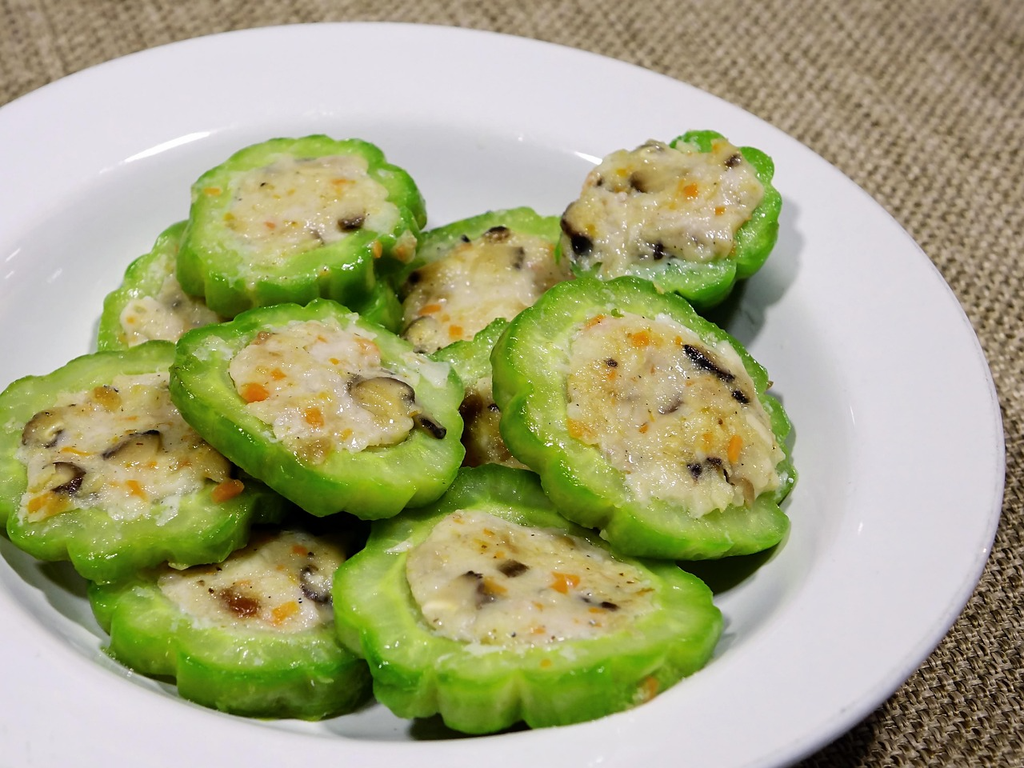
7. Karawila (Bitter Gourd)
Often served fried into a sambol or cooked into a curry, this wrinkly, cucumber-looking vegetable lives up to its name. The bitterness is incredibly sharp and lingering. While locals prize it for its blood-sugar-lowering health benefits, most European travelers find the medicinal, acrid taste impossible to swallow.
8. Maldive Fish (Umbalakada)
This isn’t a dish on its own, but an ingredient that lurks in almost everything—from vegetable mallungs to coconut sambols. It is cured, smoked, and sun-dried tuna that is pounded into shards. It acts as the Sri Lankan equivalent of MSG, adding deep umami. However, it is a hardcore acquired taste, and if you aren’t a fan of strong “fishy” flavors, you will quickly notice it overpowering your vegetable dishes.
9. Kola Kenda (Herbal Porridge)
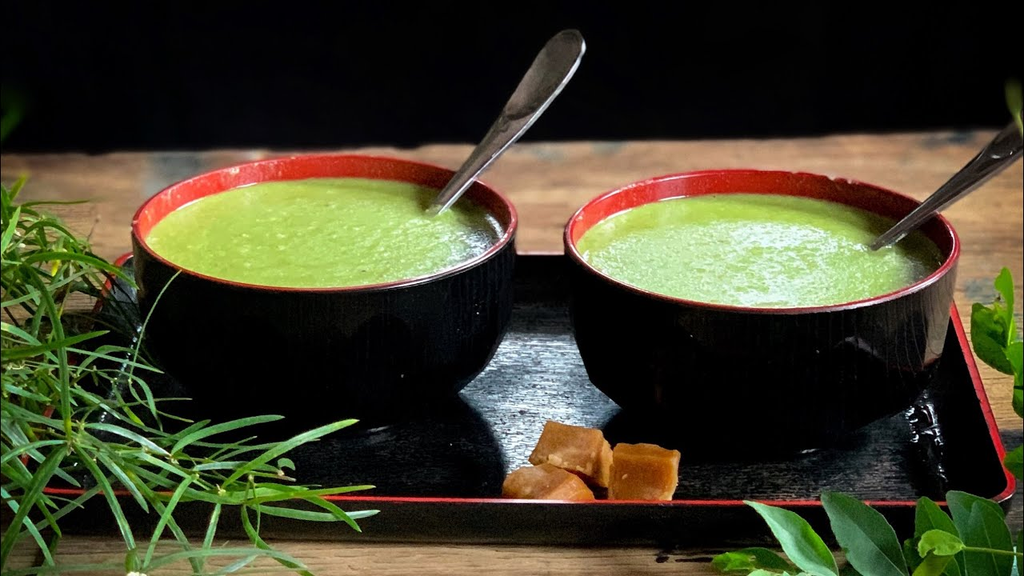
A traditional Sri Lankan breakfast often features this vibrant green, soupy porridge made from rice, coconut milk, and the extracted juice of potent medicinal leaves like Gotu Kola. While incredibly healthy, it tastes exactly like warm, liquid lawn grass. If your morning routine usually involves croissants and coffee, this earthy, medicinal broth will be a shock to the system.
10. Polos (Baby Jackfruit Curry)
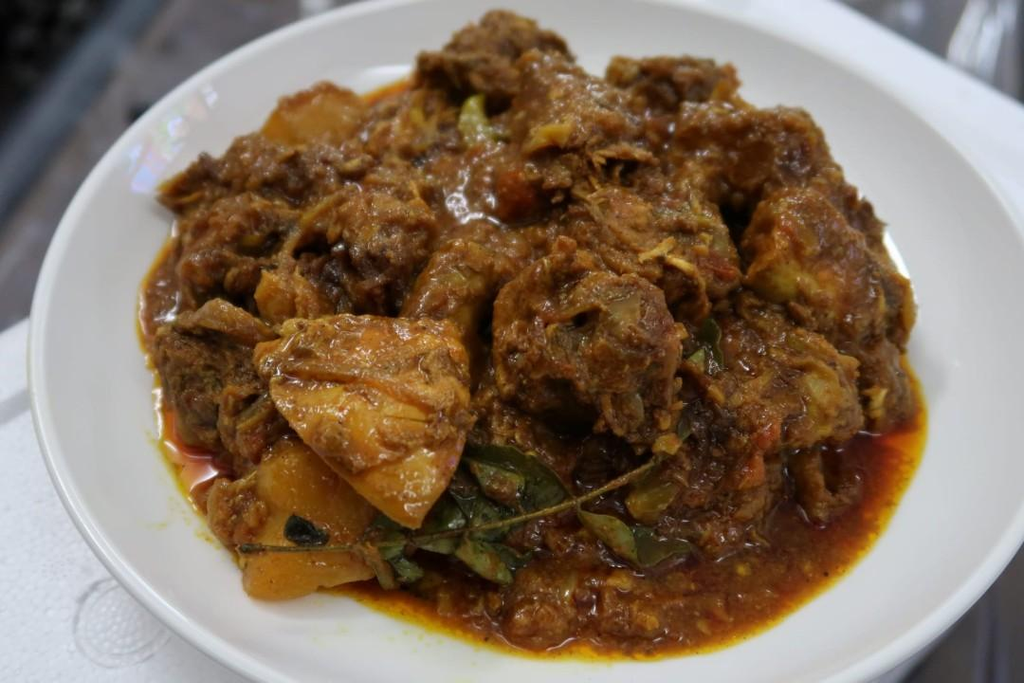
Polos is often mistaken by travelers for a heavy meat dish because of its dark color and fibrous, pull-apart texture. The young jackfruit acts as a sponge, soaking up massive amounts of roasted curry powder, black pepper, and chili. It’s heavy, incredibly robust, and often too intensely spiced for a stomach still adjusting to the local cuisine.
A Quick Survival Tip: Saying “less spicy, please” in Sri Lanka often yields mixed results, because a local chef’s idea of “mild” still includes a generous handful of chilies. If you are nervous, your safest bet is to stick to the creamy dhal (lentil curry), ash pumpkin curry, and plain rice.