Sri Lanka’s New Visa Policies: Awaiting Implementation to Ignite Tourism Growth

In a strategic move to revitalise its crucial tourism sector, Sri Lanka has made significant announcements regarding new visa policies, aiming to attract a surge of international visitors. While the intent to liberalise travel and waive visa fees for numerous countries has been widely heralded, the most recent updates indicate that the full implementation of these ambitious plans is still a work in progress, with travelers largely continuing to navigate existing Electronic Travel Authorization (ETA) requirements. As an SEO expert and content writer, our focus is on providing the most accurate, up-to-the-minute information on this dynamic situation. The Ambitious Announcements: Expanding Visa-Free Travel The core of Sri Lanka’s recent visa reforms revolves around a significant expansion of its visa-free or visa-fee waiver program. In late July 2025, Sri Lanka’s Foreign Affairs and Tourism Minister, Vijitha Herath, confirmed the Cabinet’s approval to extend its free tourist visa policy to an additional 40 countries. This decision followed a successful trial phase that initially granted visa fee waivers to citizens from seven nations, including key markets like China, India, Indonesia, Russia, Thailand, Malaysia, and Japan. The comprehensive list of 40 new countries is understood to include major tourism source markets such as the US, UK, Canada, Australia, Germany, France, Saudi Arabia, and the United Arab Emirates, among others. The government’s objective is clear: to reduce the financial and logistical barriers to entry, thereby encouraging more international travelers to choose Sri Lanka as their preferred destination. This initiative is a critical component of the island nation’s broader strategy to recover from economic challenges and achieve an ambitious target of attracting 3 million tourists by the end of 2025, alongside a projected US$5 billion in tourism revenue. Officials acknowledged an estimated annual revenue loss of USD 66 million from waived visa fees but expressed confidence that the indirect economic benefits from increased tourist footfall would far outweigh this sum. Current Reality: Implementation Delays and the Enduring ETA Despite the optimistic announcements, recent reports underscore a crucial distinction between policy approval and actual implementation. As of August 19, 2025, reports indicated that the expanded visa fee waiver for the additional 40 countries had not yet been implemented, and travelers from these nations were still required to pay the standard Electronic Travel Authorization (ETA) fee. Further reinforcing this, a September 15, 2025, update from Travel And Tour World explicitly stated that a previously approved pilot program from August 2024, which aimed to offer free 30-day tourist visas to 35 countries (including many from the newly expanded list), has also not yet been fully implemented as of August 2025. Consequently, travelers from those listed countries were still paying the standard ETA fee. The existing system largely requires most visitors, unless from a few visa-exempt countries (like Maldives, Seychelles, Singapore), to obtain an ETA. This online authorization is typically required before departure, though historically, visas on arrival have been available under certain circumstances. The process for the seven originally exempt countries (China, India, Indonesia, Russia, Thailand, Malaysia, and Japan) still involves applying for an ETA, which is then granted free of charge, allowing a 30-day stay with double-entry facility. For other nationalities, the standard fee of approximately USD 50 still applies. The delays in rolling out these new policies appear to stem from procedural hurdles, including the need for legal clearance from the Attorney General’s office and parliamentary approval. This ongoing situation has created some uncertainty among potential travelers, impacting the immediate benefits anticipated from the announcements. Why These Policies Are Crucial for Sri Lanka’s Tourism Future Sri Lanka’s commitment to enhancing visa accessibility is a direct response to its economic imperatives. The tourism sector is a cornerstone of the nation’s foreign exchange earnings and a vital source of employment. While tourist arrivals showed notable growth in the first eight months of 2025, with 1,566,523 visitors, August 2025 saw a concerning decline in per-tourist spending and overall tourism revenue, despite increased arrivals. This highlights the urgent need for measures that not only boost visitor numbers but also encourage longer stays and higher spending. Simplified visa processes are universally recognised as a powerful stimulant for tourism. By potentially removing visa fees, Sri Lanka aims to make itself more competitive against regional rivals and appeal to a broader demographic of travelers. The government hopes this will attract “high-value visitors” and diversify the types of tourists visiting the island. Looking Ahead: Hopes for Full Implementation Despite the current delays, the Sri Lankan government remains optimistic about the long-term impact of its liberalised visa policies. The intention to streamline entry procedures and reduce costs for travelers from key source markets is a strong positive signal to the global tourism industry. When fully implemented, these policies are expected to significantly enhance Sri Lanka’s appeal, making it one of Asia’s most accessible and attractive destinations. As an SEO expert, it’s vital to monitor official government channels and immigration updates closely. For travelers planning a trip to Sri Lanka, the recommendation remains to check the official Electronic Travel Authorization (ETA) portal (eta.gov.lk) for the most current and accurate information on visa requirements and fees before making travel arrangements. While the vision of a more accessible Sri Lanka is clearly defined, the journey to its complete realization continues. The global travel community, and indeed the Sri Lankan economy, eagerly awaits the definitive rollout of these new visa policies, hoping they will truly unlock the island’s full potential as a premier tourist destination.
Sri Lanka Sharpens Focus on High-Value Tourism Amidst Evolving Landscape

In a crucial pivot towards sustainable economic recovery, Sri Lanka is intensifying its focus on attracting high-value tourism segments. While the island nation continues to welcome a growing number of visitors, recent reports highlight a significant challenge: tourist arrivals are surging, yet earnings per visitor are declining, underscoring the urgent need to court more affluent travelers and premium experiences. This strategic re-calibration is evident in recent initiatives and expert analyses, painting a clear picture of Sri Lanka’s forward-looking tourism agenda. The Current Tourism Landscape: A Tale of Two Trends Data released this week indicates a complex situation for Sri Lanka’s vital tourism sector. As of mid-September 2025, the country has successfully welcomed approximately 1.64 million tourists, surpassing the arrivals recorded in the same period in 2018. The Sri Lanka Tourism Development Authority (SLTDA) also reported 198,235 international visitors in August, a 20.4% increase from August 2024. Despite these impressive visitor numbers, foreign exchange earnings from tourism saw an 8.2% decline in August 2025 compared to the previous year, marking the second consecutive month of revenue decrease. This discrepancy suggests a shift towards more budget-conscious travelers, prompting experts to call for a renewed emphasis on high-spending visitors. A recent report by Sri Lankan Capital Market service provider CT Smith forecasts 2.4 million arrivals and USD 3.4 billion in earnings for 2025. While this projects record arrivals, it still falls short of the USD 4.4 billion peak earnings achieved in 2018 and the government’s ambitious target of 3 million arrivals and USD 5 billion in revenue for 2025. The depreciated Sri Lankan Rupee has made the island a more affordable destination, particularly for price-sensitive travelers, further fueling the need to attract those seeking luxury. Targeting Affluent Markets: Weddings, MICE, and Integrated Resorts In response to these trends, Sri Lanka Tourism is actively pursuing several high-value segments. One of the most dynamic recent developments has been the concentrated effort to capture the burgeoning Indian luxury wedding market. Over the past 48 hours, news emerged that Sri Lanka Tourism recently organized multi-city luxury wedding shows across India, covering key cities like Ahmedabad, Mumbai, and New Delhi. This initiative, involving fourteen Sri Lankan exhibitors including wedding planners and hotels, aims to position Sri Lanka as a premier destination for Indian couples, promoting not only traditional wedding hotspots like Bentota and Weligama but also emerging locations such as Trincomalee and Arugam Bay. The Sri Lanka Tourism Promotion Bureau (SLTPB) Chairperson, Buddhika Hewawasam, noted that Indian wedding groups typically enjoy extended stays of seven to ten days, making them highly valuable. The country has already hosted 30 large and 50 small to mid-sized Indian weddings in the past eight months, with plans to double this capacity through ongoing promotional efforts, including familiarization trips for social media influencers and targeted digital campaigns. Another significant move to attract affluent visitors is the strategic development of integrated resorts. The highly anticipated “City of Dreams” in Colombo, South Asia’s first integrated casino resort, is a cornerstone of this strategy. Expected to draw high-net-worth individuals, particularly from India and China where gaming options are limited, this USD 1.2 billion facility, bolstered by the recent passing of the Gambling Regulatory Authority Bill on August 22, 2025, represents a clear shift towards a more selective and sustainable tourism model. Furthermore, Sri Lanka is actively promoting its Meetings, Incentives, Conferences, and Exhibitions (MICE) tourism sector as a key area for high-spending visitors. This segment brings in corporate travelers who typically spend more and often combine business with leisure, contributing significantly to local economies. Niche Markets and Enhanced Experiences: Beyond Mass Tourism Beyond large-scale resorts and events, Sri Lanka is honing in on specific niche segments that promise higher yields. Wildlife and nature-based tourism, for instance, has seen remarkable growth. At the Global Bird Fair in the UK in July 2025, Sri Lanka highlighted its rich biodiversity, promoting purpose-driven travel that attracts high-spenders with longer stays, averaging over 6,000 GBP for 15-20 days. This segment now accounts for over 50% of tourists seeking wildlife experiences, a 30% increase since 2018, generating over Rs. 3.5 billion in revenue. The island is also embracing experience-led travel, moving beyond passive sightseeing to offer immersive, authentic, and personalized journeys. This includes private tea-plucking experiences, cultural immersions in ancient cities, and even helicopter tours. High-end dining, such as the unique Blue Orbit by Citrus revolving restaurant atop the Colombo Lotus Tower, further exemplifies the push for premium, memorable experiences. To ensure a seamless experience for affluent visitors, the Bandaranaike International Airport (BIA) introduced its “Gold Route Service” in 2022, offering VIP treatment and expedited airport formalities for high-net-worth individuals and premium travelers. This service alone generated LKR 94.9 million in 2024, demonstrating its value in attracting discerning clients. Strategic partnerships and promotional activities are also crucial. The Sri Lanka Tourism Development Authority (SLTDA) has initiated unlocking over 3,000 acres of state-owned land for global investment to enhance tourism infrastructure. Additionally, Nordic roadshows were scheduled for September 2025 across Scandinavia, aiming to reposition Sri Lanka as a high-value destination through B2B and B2C engagements. Challenges and the Path Forward Despite these proactive measures, challenges persist. The delay in launching a crucial national branding campaign, initially slated for early 2025, is seen as a hindrance to significantly boosting arrivals and revenue. While recent policy updates, such as the approval for visa-free entry for citizens from 40 countries, are expected to increase interest and arrivals, the full implementation timelines remain critical. A pilot program offering free 30-day tourist visas for 35 countries, approved in August 2024, had not been fully implemented as of August 2025, with travelers still requiring the standard Electronic Travel Authorization (ETA) fee. The government also recently eased driving rules for tourists, offering temporary driving licenses upon arrival to facilitate self-drive holidays. While this aims to enhance tourist freedom, it has raised concerns among local tuk-tuk drivers and regarding safety. The ongoing commitment to attracting high-value tourism segments is a strategic imperative for Sri Lanka. By diversifying offerings, investing in premium infrastructure,
Sri Lanka’s Economic Resilience Shines: A Deep Dive into Q2 2025 Expansion and Forward Outlook

COLOMBO, Sri Lanka – The Sri Lankan economy demonstrated robust vitality in the second quarter of 2025, recording a significant Gross Domestic Product (GDP) expansion of 4.9 percent year-on-year. This impressive performance marks the eighth consecutive quarter of positive growth for the island nation, solidifying its path toward sustained recovery from the severe economic crisis it faced just a few years ago. The latest official data, released by the Department of Census and Statistics (DCS), has been widely reported in recent days, providing an up-to-the-minute snapshot of Sri Lanka’s economic rebound. Key Drivers Propelling Growth The economic surge in Q2 2025 was broad-based, with all major sectors contributing positively. The industrial sector led the charge, expanding by a notable 5.8 percent. This was closely followed by the services sector, which grew by 3.9 percent, and the agriculture sector, which saw a 2.0 percent increase. Within these sectors, several sub-segments exhibited particularly strong performance. The services sector benefited significantly from a thriving IT programming and consultancy segment, which soared by 18.7 percent, alongside robust growth in financial services (+12.3%) and postal and courier services (+11.6%). Industrial activity was buoyed by substantial gains in construction (+8.5%) and mining and quarrying (+16.6%), while manufacturing also posted a respectable 3.7 percent expansion. In agriculture, animal production (+13.9%) and cereal cultivation (+12.4%) were key contributors. Underlying this sectoral growth were favorable macroeconomic conditions. The economy benefited from lower interest rates, which stimulated business activity, and the lifting of vehicle import restrictions, contributing to stronger wholesale and retail trade, particularly in motor vehicle sales and repairs. A Journey of Recovery and Reform Sri Lanka’s current economic momentum is a testament to its determined efforts to overcome the unprecedented meltdown of 2022, which saw depleted foreign reserves, runaway inflation, and acute shortages. The nation’s engagement with an IMF-supported stabilization program, coupled with rigorous austerity measures and debt restructuring, has been crucial in establishing a more stable footing. International financial institutions, including the World Bank, have acknowledged Sri Lanka’s remarkable progress in rebuilding its economy. However, the journey is not without its complexities. The Central Bank of Sri Lanka’s (CBSL) Business Outlook Survey (BOS) revealed that while business confidence improved in Q2 2025, reaching its highest level since Q2 2022, the Systemic Risk Survey for the second half of 2025 indicates a decline in medium-term confidence, largely due to “Global macroeconomic risks” and geopolitical tensions. Navigating Current Headwinds and Future Projections Despite the encouraging Q2 GDP figures, certain challenges persist. Export growth experienced a slowdown in Q2 2025, registering 6 percent compared to 8.1 percent in Q1, primarily impacted by tariff-related uncertainties. Although the United States has reduced tariffs on Sri Lankan exports to 20 percent from an earlier 44 percent, the external trade environment remains challenging for a small, trade-dependent nation. The vital tourism sector, a significant contributor to foreign exchange inflows, faces mixed signals. While tourist arrivals continue to rise, foreign exchange earnings from tourism saw an 8.2 percent decline in August 2025 compared to the previous year, marking the second consecutive month of revenue decrease despite a 20.4 percent increase in visitor numbers. This suggests that Sri Lanka may miss its ambitious 2025 tourism arrival and revenue targets, necessitating strategic interventions to maximize economic benefits from growing visitor numbers. Furthermore, official data indicate that the net foreign assets of Sri Lanka’s banking system have begun to reverse course after April 2025, following interest rate cuts and an uptick in private credit. This trend raises concerns about the sustainability of foreign exchange reserves. Recent Policy and Economic Indicators In a critical development, Sri Lanka’s headline inflation, as measured by the Colombo Consumer Price Index (CCPI), turned positive in August 2025, recording 1.2 percent year-on-year. This marks the end of an eleven-month period of deflation, a significant shift in the economic landscape. The Central Bank of Sri Lanka anticipates a gradual rise in inflation towards its 5% target, supported by ongoing policy measures. President Anura Kumara Dissanayake, in a recent address on September 17, 2025, reiterated his commitment to preventing future economic crises. He projected that Sri Lanka would achieve a growth rate close to 5 percent by the end of 2025 and that foreign reserves would reach $7 billion. Further boosting infrastructure, Sri Lanka has resumed a key highway project with a new $500 million Chinese funding, signaling renewed international investment confidence. A World Bank Public Finance Review, released on September 9, 2025, acknowledged Sri Lanka’s extensive fiscal adjustments, describing them as “sharper and faster” than international standards. The review suggested that the nation is now well-positioned to shift towards a more balanced fiscal policy, focusing on equitable revenue generation, efficient government spending, and improved public sector wage management. However, the report also highlighted the profound social cost of austerity, with over a quarter of the population falling below the poverty line and real wages remaining significantly lower than pre-crisis levels. Looking Ahead: A Cautiously Optimistic Path The economic expansion in Q2 2025, coupled with recent positive shifts in inflation and the government’s forward-looking policy statements, paints a cautiously optimistic picture for Sri Lanka. While challenges in external trade, tourism revenue generation, and fiscal management persist, the fundamental drivers of recovery are in place. The continued focus on structural reforms, attracting foreign direct investment, and enhancing productivity will be crucial for Sri Lanka to solidify its economic gains and ensure inclusive growth that benefits all citizens. The nation’s ability to navigate global macroeconomic volatilities while maintaining its reform agenda will define its trajectory towards sustainable prosperity.
Gender Inclusion in Public Transport: Sri Lanka’s Latest Strides Towards Safer and More Equitable Journeys

Colombo, Sri Lanka Public transportation board of Sri Lanka – In an increasingly interconnected world, public transport serves as the lifeblood of urban and rural economies, connecting people to opportunities, education, and essential services. Yet, for a significant portion of the population, particularly women and girls, the journey itself can be fraught with challenges related to safety and inclusion. In Sri Lanka, dedicated efforts are underway to transform the public transport landscape into a more gender-sensitive and secure environment. While specific breaking news from the last 24-48 hours on this niche topic remains nascent, recent governmental and inter-agency initiatives in mid-2025 highlight a clear and sustained commitment to advancing gender inclusion. The conversation around gender inclusion in Sri Lankan public transport gained significant momentum with a series of pivotal announcements and campaign launches earlier this year. These developments underscore a growing recognition that ensuring safe and equitable access to transport is not merely a social issue but a critical driver of national development and women’s economic empowerment. National Campaign Against Sexual Harassment Takes Center Stage A landmark development in Sri Lanka’s pursuit of gender-inclusive public transport was the launch of a national campaign to address sexual harassment in public transport and public spaces. Officially initiated on July 23, 2025, this comprehensive campaign is a collaborative effort between the Government of Sri Lanka, specifically the Ministry of Women and Child Affairs and the Ministry of Transport, Highways, Ports and Civil Aviation, alongside the United Nations Population Fund (UNFPA) and funded by the Government of Japan. The campaign emerged from a stark reality: a national study by UNFPA in 2015 revealed that a staggering 90% of women and girls in Sri Lanka have experienced sexual harassment on public transport at least once in their lives. Despite this pervasive issue, only about 4-5% of incidents are reported to the police, highlighting a significant reporting gap and a normalization of harassment. This “silent epidemic,” as described by UNFPA Representative Kunle Adeniyi, deeply damages lives, restricts freedom of movement, and undermines women’s access to education, livelihoods, and public life. Minister of Transport, Highways, Ports and Civil Aviation, Bimal Rathnayake, emphasized the government’s commitment, stating that “safety is not a luxury, but a right” and affirming that “sexual harassment has no place in our buses, trains, or stations”. Minister of Women and Child Affairs, Saroja Savithri Paulraj, further articulated that gender-based violence in public spaces is a human rights issue, directly impacting women’s ability to participate fully in society. Key Initiatives and Measures The national campaign is multifaceted, focusing on prevention, reporting, and cultural shifts. Key initiatives include: Paving the Way: Women in the Public Transport Workforce Beyond safety, gender inclusion also encompasses equitable employment opportunities. In a significant policy shift announced in March 2025, Minister Bimal Rathnayake confirmed a decision to recruit women into the Sri Lanka Transport Board (SLTB) and railway service. This groundbreaking move, coinciding with International Women’s Day, aims to integrate women into traditionally male-dominated roles such as bus drivers, train pilots, and guards. Minister Rathnayake even expressed a personal vision for female drivers to operate school buses in the future, signaling a proactive approach to expanding career opportunities for women and fostering a more inclusive workforce. This initiative not only promotes gender equality but also aims to enhance the perception of safety and professionalism within the transport sector. A Broader Vision for Gender Equality These efforts in public transport are part of a larger national commitment to gender equality. In March 2025, Prime Minister Harini Amarasuriya highlighted that while Sri Lanka boasts a high literacy rate and a significant female presence in universities, only 35% of women participate in the paid workforce, underscoring the need for structural and attitudinal changes. Her remarks came during the launch of ‘THRIVE – Together for Her: Resilience-building, Inclusivity, and Voices for Equality in Sri Lanka’, a five-year initiative by UN Women and Chrysalis, funded by the Government of Australia, aimed at strengthening the economic and social resilience of marginalized women. The current President’s manifesto from September 2024 also included promises to revise laws and procedures to guarantee protection from gender-based violence and harassment in public transport, among other spaces, further cementing a top-down commitment to these issues. The Path Forward: Sustained Commitment and Collective Action The journey towards full gender inclusion in public transport in Sri Lanka is ongoing. While challenges like overcrowding, lack of bystander intervention, and fear of retaliation persist, the recent initiatives demonstrate a determined push from various stakeholders. The integration of technology, comprehensive training, and robust awareness campaigns, coupled with policy decisions to diversify the workforce, signal a promising future. By prioritizing the safety, dignity, and equal participation of women and girls, Sri Lanka is not only enhancing its public transport system but also fostering a more equitable and prosperous society for all.
Sri Lanka’s Infrastructure Renaissance: A Wave of Resumptions and New Beginnings
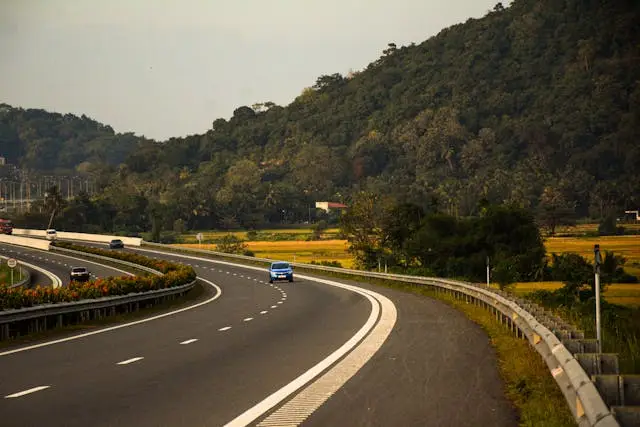
Photo by Dinujaya Munasinghe: https://www.pexels.com/photo/scenic-highway-through-lush-greenery-at-daytime-30737735/ Colombo, Sri Lanka – September 17, 2025 – In a resounding testament to its economic recovery and renewed developmental vigor, Sri Lanka is witnessing an unprecedented surge in infrastructure project resumptions and new commencements. The past 24-48 hours have brought forth a flurry of critical updates, painting a vibrant picture of progress across the nation. From vital expressway links to ambitious renewable energy ventures and urban modernization drives, the island nation is firmly on a trajectory of growth, attracting significant foreign investment and setting new benchmarks for sustainable development. Central Expressway Re-energized: A Crucial Link Resumes Construction A highlight of the latest developments is the official resumption of construction on the Kadawatha-Meerigama section of the Central Expressway. This crucial 37-kilometer stretch, designed to enhance connectivity between Colombo and Kandy, recommenced work today, September 17, 2025, under the patronage of President Anura Kumara Dissanayake. The project, which had been suspended in mid-2022 due to the severe economic crisis, is being revitalized by a Yuan-denominated loan equivalent to USD 500 million from the Export-Import Bank of China, marking China’s first significant funding since Sri Lanka’s foreign debt default three years ago. This pivotal section is now targeted for completion by mid-2028, promising to ease traffic congestion and significantly boost economic activity between these major urban centers. Powering the Future: Largest Solar Park Begins Construction In a bold stride towards energy independence and sustainability, Sri Lanka inaugurated the construction of its largest renewable energy project, the Rividanavi Solar Power Park, on September 6, 2025. Located in Kotiyagala, Monaragala, this 100-megawatt solar facility, with an investment of USD 140 million, is a cornerstone of the nation’s ambitious goal to source 70% of its electricity needs from renewable energy by 2030. Expected to be completed in the first quarter of 2027, the Rividanavi project will inject 219 GWh annually into the national grid, translating into substantial foreign exchange savings from reduced diesel imports and a significant reduction in carbon emissions. Refining Ambitions: Sinopec Project Gears Up Further strengthening its energy infrastructure, Sri Lanka anticipates the Chinese energy giant Sinopec to begin construction on a USD 3.7 billion oil refinery near the Hambantota port this year. This massive project, approved in 2023, is designed to process 200,000 barrels of crude oil per day. While negotiations continue regarding Sinopec’s request for expanded access to the domestic fuel market – with officials considering an increase from 20% to 40% of refinery output for local sale – the government remains committed to its commencement. This development underscores Sri Lanka’s strategic geopolitical importance and its drive to enhance energy security. Modernizing Urban Mobility: Transport Hubs Undergo Transformation The vision for a “Clean Sri Lanka” is taking tangible form with the recent launch of significant urban transport modernization projects. On September 15, 2025, the government initiated the full redevelopment of the Colombo Central Bus Terminal (a Rs. 425 million investment slated for completion by April 2026) and the comprehensive renovation of the historic Maradana Railway Station. These initiatives are part of a broader plan to upgrade 100 railway stations countrywide through Public-Private Partnerships (PPPs) and establish 50 multimodal transport centers by 2029, with 15 expected in Colombo next year, aiming to significantly improve public transport efficiency and connectivity. Concurrently, the Road Development Authority (RDA) has commenced a systematic modernization of the country’s vast 119,000-kilometer road network, allocating Rs. 14 billion this year for rural road improvements under the ‘Punarudayata Maga’ program. Colombo Port City: A Hub of Accelerating Investment The iconic Port City Colombo continues to emerge as a powerhouse of foreign investment. President Dissanayake recently revealed that four projects totaling US$1.4 billion have already received approval within the Port City, with another major US$1.2 billion project nearing final approval, expected during an upcoming visit to Japan. This influx of capital highlights growing investor confidence in Sri Lanka’s revitalized economy. Furthermore, the Adani-led Colombo West International Terminal, a crucial component of the Port City’s logistical capabilities, is reportedly on track to double its capacity months ahead of its February 2027 deadline, with the final phase anticipated by late 2026. Addressing Urban Challenges: Colombo’s Traffic Solution Recognizing the impending pressure from these burgeoning developments, the Cabinet, on September 16, 2025, approved a detailed feasibility study to tackle increasing traffic congestion at Colombo’s critical Lotus Roundabout. This proactive measure aims to formulate a sustainable solution for improving connectivity with major transport corridors and minimizing bottlenecks, especially as the Port City and Port Access Road near completion. A Testament to Resilient Recovery These recent announcements and resumptions signal a pivotal moment for Sri Lanka. Following years of economic hardship, the nation is demonstrating a remarkable ability to attract vital foreign investment and drive forward long-stalled projects. The support from international partners, including a crucial USD 500 million loan from China Exim Bank for the Central Expressway and continued engagement for Port City projects with Japan, underscores renewed confidence in the country’s economic stability and future potential. President Dissanayake emphasized that 2025 marks a “historic turning point” for Sri Lanka, with the government determined to halve the typical “lost decade” that often follows an economic crisis. With sustained economic growth approaching 5% and foreign reserves targeted to reach US$7 billion by year-end, these infrastructure projects are not just constructions; they are cornerstones of Sri Lanka’s ambitious journey toward a thriving and resilient future.
SriLankan Airlines Forges Landmark Alliance with Axis Bank to Electrify Indian Tourism
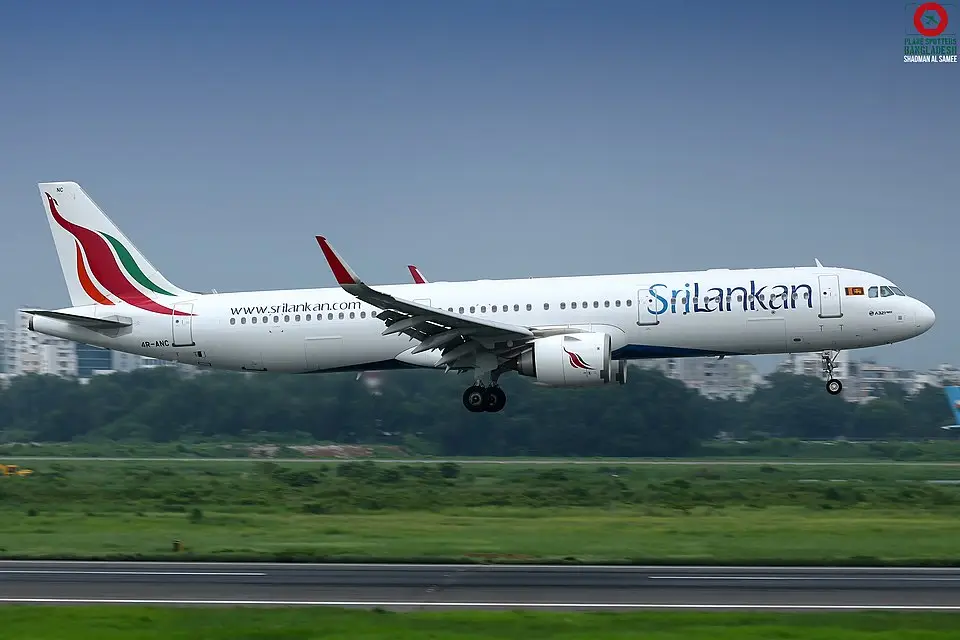
By Shadman Samee from Dhaka, Bangladesh – 4R-ANC SriLankan Airlines Airbus A321-251N., CC BY-SA 2.0, https://commons.wikimedia.org/w/index.php?curid=75507184 Colombo, Sri Lanka – September 16, 2025 – In a significant move poised to redefine outbound travel from India, SriLankan Airlines, the national carrier of Sri Lanka, has announced a pioneering strategic partnership with Axis Bank, one of India’s largest private sector banks. This groundbreaking collaboration, unveiled over the past 48 hours, is designed to offer a suite of exclusive travel benefits to Axis Bank’s extensive 15-million customer base, dramatically boosting Indian tourism to the island nation and beyond. The alliance underscores SriLankan Airlines’ unwavering commitment to the Indian market, solidifying its position as a preferred international carrier for Indian travelers. Unlocking Unprecedented Travel Value for Indian Consumers The core of this strategic tie-up is to provide unparalleled value and seamless travel experiences. Under the initial phase of the partnership, Axis Bank credit and debit cardholders are now eligible for an exclusive 10% discount on both Business Class and Economy Class fares when booking directly through the SriLankan Airlines website. This attractive discount applies to all SriLankan Airlines flights originating from India, with destinations including Colombo, Sri Lanka, and onward connections via Colombo to a vast network spanning the Far East, Middle East, Maldives, and prominent European cities such as Frankfurt and Paris. Furthermore, travelers embarking on journeys to Melbourne will benefit from an additional five kilograms of checked baggage allowance, providing extra convenience and value for those longer international trips. The booking window for these exclusive offers is valid until November 20, 2025, with an extended travel period from June 16, 2025, through March 31, 2026, giving Indian travelers ample flexibility to plan their escapes. A First-of-Its-Kind Partnership and Strategic Imperative Commenting on this landmark development, Fawzan Fareid, SriLankan Airlines Regional Manager for India, Bangladesh, and Nepal, expressed immense enthusiasm. “We are truly excited to partner with Axis Bank and about what this means for our shared customers, who have some fantastic benefits coming their way,” Fareid stated. He highlighted the unique nature of the agreement, noting, “This partnership is also remarkable as it marks the first time ever that SriLankan Airlines has collaborated with a private Indian bank.” Arnika Dixit, President & Head of Cards, Payments and Wealth Management at Axis Bank, echoed this sentiment, emphasizing the bank’s dedication to enhancing customer lifestyles and journeys. “Our association with SriLankan Airlines further strengthens our value proposition for customers seeking memorable and rewarding travel experiences,” Dixit remarked. SriLankan Airlines CEO Richard Nuttall underscored the broader vision, stating, “This alliance is about more than savings—it’s about changing the way Indians travel.” This collaboration is a testament to SriLankan Airlines’ strategic focus on India as a cornerstone market. The airline currently operates a robust schedule of 88 weekly flights connecting nine Indian cities to Colombo, demonstrating a significant commitment to strengthening bilateral tourism and trade ties. Elevating Sri Lanka as the Premier Destination for Indian Travelers The timing of this partnership is particularly opportune as India continues to be Sri Lanka’s largest source market for tourism, contributing over 19% of total arrivals so far in 2025, with more than 290,000 Indian tourists visiting the island between January and mid-September this year. The airline’s proactive initiatives, such as this alliance with Axis Bank, are crucial in fostering deeper connections with Indian travelers and enhancing the overall inbound tourism figures for Sri Lanka. By offering seamless and affordable travel experiences, SriLankan Airlines aims to encourage more Indians to explore the diverse attractions of the island, from its pristine beaches and lush nature adventures to its rich cultural heritage and renowned hospitality. Beyond promoting direct travel to Sri Lanka, the partnership also strategically positions Colombo as a vital hub for Indian travelers connecting to SriLankan Airlines’ extensive global network. This includes popular destinations in the Far East, Australia, the Middle East, and Europe, effectively enhancing the airline’s appeal as a gateway for international travel from India. A Future-Focused Approach to Connectivity and Customer Experience This alliance is not an isolated event but rather a continuation of SriLankan Airlines’ broader strategy to enhance its footprint in the Indian aviation market. The airline has consistently demonstrated its commitment, with recent reports indicating plans for network expansion within India, increasing flight frequencies to existing destinations, and even exploring new cities like Ahmedabad. The airline aims to offer convenience for “dual-destination holidays,” combining Sri Lanka or the Maldives with Southeast Asia, a unique proposition for Indian passengers. Furthermore, SriLankan Airlines has been proactive in promoting Sri Lanka’s cultural and religious tourism, notably through initiatives like the “Ramayana Trail Project.” An advertisement highlighting sites related to the Hindu epic has resonated strongly with Indian audiences, showcasing Sri Lanka’s rich heritage and its potential as a spiritual tourism destination. Such targeted promotions, coupled with strategic partnerships like the one with Axis Bank, are instrumental in diversifying and strengthening Sri Lanka’s appeal to the Indian market. The collaboration between SriLankan Airlines and Axis Bank is more than just a promotional offer; it represents a synergistic integration designed to create a win-win scenario for travelers, the airline, and the banking sector. As global travel continues its robust recovery, such partnerships are vital in driving demand, improving customer experience, and ultimately contributing significantly to the economic prosperity of Sri Lanka through sustained tourism growth.
Sri Lankan Cabinet Greenlights Committee to Explore Overseas Voting Rights

Sri Lankan Cabinet has given its crucial approval for the establishment of a specialized committee. This committee’s mandate is to meticulously study and propose amendments to existing laws, as well as formulate new legislation, ultimately aimed at safeguarding the voting rights of millions of Sri Lankan citizens residing overseas.
A New Chapter for Sri Lanka’s Railways: Historic Maradana Station of Colombo Leads the ‘Dream Destination’ Revolution

A new chapter is beginning for Sri Lanka’s railway system, and it all starts at the iconic Maradana Railway Station. The historic hub is undergoing a major renovation as part of the government’s ambitious “Dream Destination” program. Discover how this project is blending the station’s storied past with a modern, sustainable future, and what this revitalization means for Sri Lanka’s public transport and tourism. Read the full story here.
Top 5 Places to Visit Around Kataragama, Sri Lanka
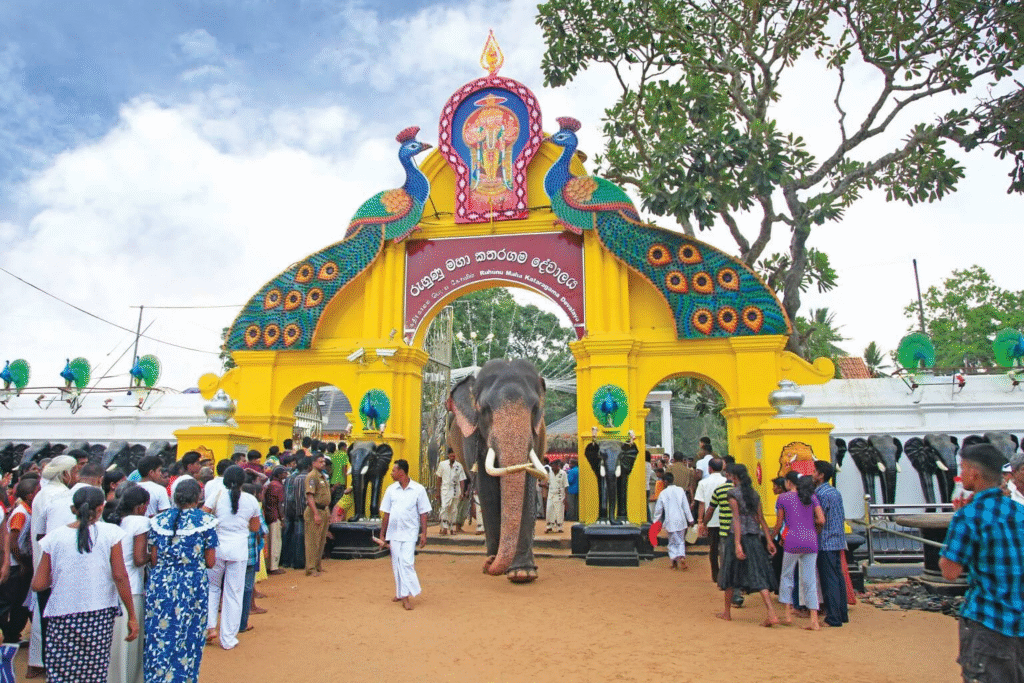
Why Visit Kataragama? Kataragama is one of the most sacred and multicultural cities in Sri Lanka, attracting Buddhists, Hindus, Muslims, and travelers from around the world. While the Kataragama Devalaya is the main highlight, the surrounding area offers stunning wildlife, ancient temples, and peaceful riverside spots. Here are the top 5 places to visit near Kataragama during your trip. 1. Kataragama Sacred City & Devalaya The Kataragama Devalaya is a revered pilgrimage site dedicated to Lord Skanda (Murugan). Pilgrims from across Sri Lanka and India gather here daily, offering fruits, flowers, and prayers. Evening rituals with drumming and fire ceremonies make it an unforgettable cultural and spiritual experience. 2. Kiri Vehera Dagoba Located just minutes from the Devalaya, Kiri Vehera is a massive white stupa dating back over 2,000 years. It is said to be built during King Mahasena’s era and holds deep importance for Buddhists. Sunrise and sunset are the best times to visit for photography and quiet meditation. 3. Yala National Park (Near Kataragama) Only a short drive away, Yala National Park is one of Sri Lanka’s top wildlife destinations. Home to the world’s highest density of leopards, Yala also shelters elephants, sloth bears, crocodiles, and over 200 bird species. A safari from Kataragama is the perfect blend of spirituality and adventure. 4. Sella Kataragama & Manik Ganga River Just 4 km from the main shrine lies Sella Kataragama, a picturesque village connected to the legend of Lord Murugan and his consort Valli. The Manik Ganga River flowing nearby is considered sacred, and pilgrims often bathe here before visiting the main temple. It’s a peaceful stop for both spirituality and relaxation. 5. Sithulpawwa Rock Temple (Near Buttala) Tucked inside Yala’s wilderness, the Sithulpawwa Rock Temple is an ancient monastery believed to date back over 2,000 years. The climb up its rocky summit offers panoramic views of forests and lakes, making it one of the most scenic cultural sites near Kataragama. Whether you’re a pilgrim seeking blessings or a traveler chasing culture and wildlife, Kataragama has something for everyone. From the sacred shrines and Kiri Vehera to the untamed landscapes of Yala and Sithulpawwa, these top 5 places near Kataragama will make your trip unforgettable.
Colombo Airport to Ease Congestion as Sri Lanka Tourism Grows
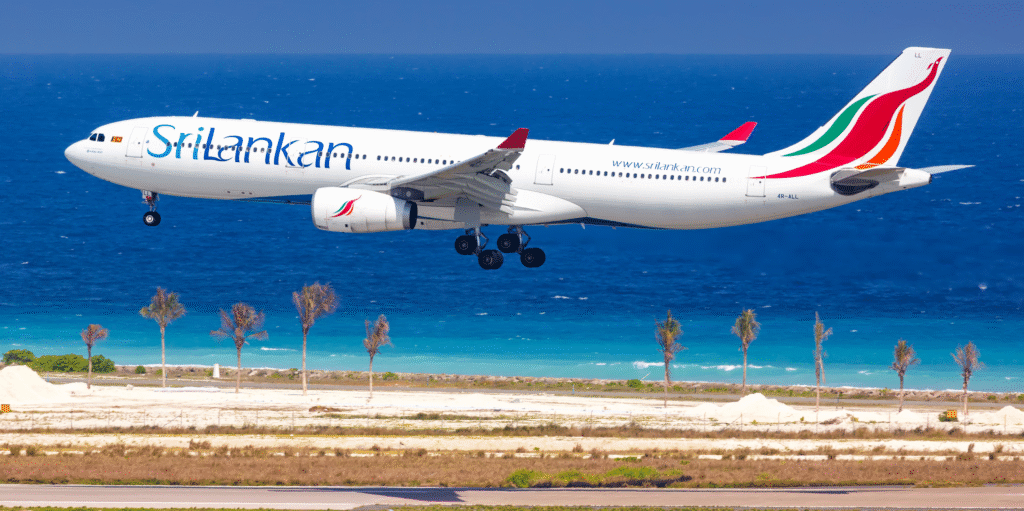
Sri Lanka is easing congestion at Bandaranaike International Airport (BIA) by extending peak-hour arrivals from four hours to six, Deputy Minister of Tourism Ruwan Ranasinghe said. Passenger traffic has rebounded strongly in 2025, pushing Colombo’s main airport beyond capacity. The surge comes from both rising inbound tourists and more Sri Lankans traveling overseas as disposable income improves after the currency crisis. Managing Hub Peaks Airports create “hub peaks” when multiple flights land within a short time to allow quick transfers. At BIA, these late-night peaks caused long immigration queues and overcrowding inside the terminal. “We scheduled too many arrivals within a short time,” Minister Ranasinghe said. “Now we are stretching arrivals to six hours to reduce congestion.” Earlier this month, Airport and Aviation Services (Sri Lanka) Limited (AASL) barred visitors from the departure terminal between 10:00 p.m. and midnight to ease passenger flow. Expanding Immigration Capacity Authorities have increased the number of immigration counters and launched new recruitment to speed up processing. The government also urges charter operators to use Mattala Rajapaksa International Airport to reduce pressure on Colombo. Tourism on the Rise Sri Lanka expects 3 million tourist arrivals in 2025, with 1.5 million visitors recorded by mid-August. Outbound travel is also climbing as households recover from the economic downturn. However, Colombo airport’s infrastructure remains overstretched. The current terminal was built for 6 million passengers annually but handled 10.8 million in 2018. A Japanese-financed expansion project stalled in 2022 after Sri Lanka’s debt default. Authorities now plan to revive the new terminal project once financing resumes. Outlook Tourism remains a key source of foreign exchange for Sri Lanka. By spreading flight arrivals, expanding immigration facilities, and encouraging use of secondary airports, the government aims to create a smoother travel experience. These measures could help Sri Lanka sustain momentum in its tourism industry and strengthen its position as a South Asian hub.