
Sri Lanka or India, which is best to travel in September 2025
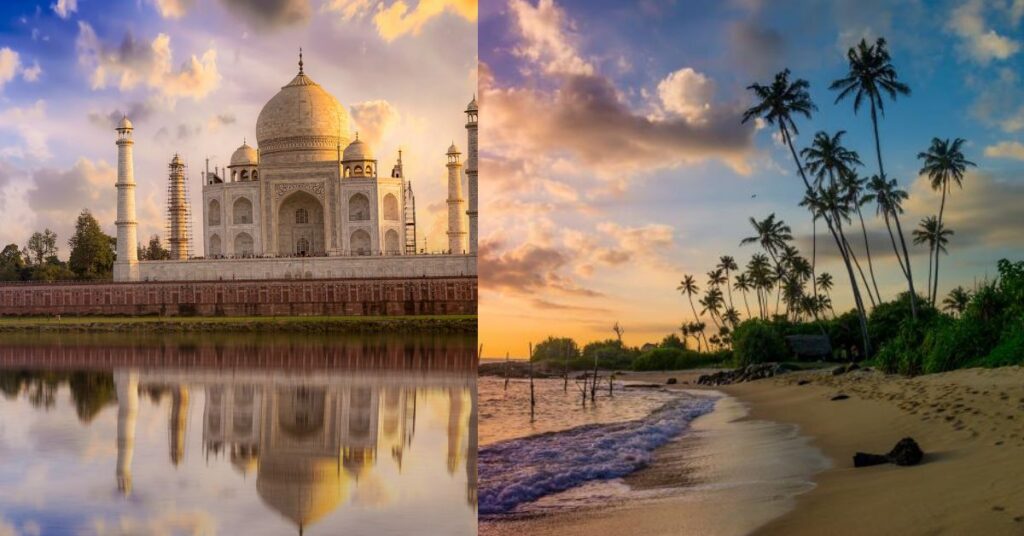
If you are planning to travel in South Asia, you may have considered choosing Sri Lanka and India. However, you have to consider many factors before choosing a travel destination. It depends on the weather, activities and experiences you planned to have. What is the best country, Sri Lanka or India, to visit in September, according to the weather? Sri Lanka and India are both wonderful choices for travel. It’ll be hot and humid with some rain in most areas in Sri Lanka. But eastern and northern coasts like Trincomalee and Passikudah are drier and have pleasant weather. This weather is perfect for relaxing activities by the sea and at the beach. You can have the best experience with swimming and snorkelling. The country will also provide an amazing wildlife experience, and views of cultural sites will give you the best memories during the journey. However, the north in India, like the Himalayas, Rajasthan and Himachal Pradesh, will have clear sky and may be the best time for sightseeing Weather Comparison – September Sri Lanka and India Feature Sri Lanka India Climate Inter-monsoon; hot and humid Monsoon ending; Temperature Day: 30°C / 86°F Night: 24°C / 75°F Day: 23–31°C / 73–88°F Rainfall 205 mm over 15 days Significantly less than earlier months Humidity 80% Decreasing, especially in the north Sea temperature 28°C / 82°F Varies by region; coastal areas are warm Best areas Eastern & northern coasts: Trincomalee, Passikudah Himalayas: Ladakh, Uttarakhand, Himachal Pradesh, Rajasthan for desert scenery What are the best travel experiences? You can have one of the best experiences in Sri Lanka during September. The Kaudulla National Park and Minneriya will be the best places to witness the life of elephants. Not only that Nilaveli and Passikudah will be the ideal places for swimming and relaxing activities at the beach. Not only can you have a unique experience in cultural sites like Anuradhapura and Pollonnaruwa, with a rich Buddhist culture. But as the monsoon is ending in India, travellers can enjoy historical landmarks like the Taj Mahal and the Grand Palace. Beautiful hill stations like Shimla and Mussoorie have the best weather and cool temperatures for the best scenic views. If you like to enjoy the adventure of cultures, you can join Ganesh Chaturthi in Maharashtra and Onam in Kerala. Stay with us for more details about travelling in Sri Lanka.
Sri Lanka Tourist Arrivals 2025: 1.49M by August
Sri Lanka Tourist Arrivals 2025: Monthly Trends & Top Markets According to the latest data, Sri Lanka tourist arrivals 2025 have already exceeded 1.49 million by August 17 2025, the island has already seen more than 1.49 million international visitors — a clear sign that travelers from around the world are falling in love with Sri Lanka all over again. Compared to the same period last year, arrivals have grown steadily, with January and February leading the way. In fact, January 2025 welcomed over 252,000 tourists, the highest so far this year, while February brought in another 240,000 visitors. The summer months followed with consistent growth, and July closed with 200,244 arrivals. Even in the first half of August alone, more than 129,000 travelers had already stepped foot on the island Where Are Tourists Coming From? The diversity of visitors is striking. India tops the list with more than 307,000 arrivals this year, reflecting strong regional ties. The United Kingdom and Russia follow, with a combined total of over a quarter million travelers. Germany, China, France, and Australia also remain strong markets, while countries like Bangladesh, the Netherlands, and the United States show steady growth. Interestingly, in the first 17 days of August, Italy ranked among the top three markets — showing how European travelers are rediscovering Sri Lanka as a holiday escape. Why Sri Lanka in 2025? Travelers often say Sri Lanka feels like “many countries in one small island.” And it’s true. In a single trip, you can: Add to that UNESCO heritage sites, local festivals like the Esala Perahera in Kandy, and an increasingly vibrant food scene — and it’s no surprise the island continues to rise in global rankings. The Road Ahead Tourism experts believe Sri Lanka could cross the 3 million visitor mark by the end of 2025, if current momentum holds. With new flight routes opening, digital nomads showing interest, and eco-tourism becoming a trend, the country is shaping up to be a must-visit destination in South Asia.
Top 6 Interesting Things You Must Know Before Travelling to Sri Lanka 2025

Sri Lanka is well known as one of the most popular travelling destinations for decades. Before Bali became more commercialized, Sri Lanka was top among many travelling destinations, surpassing Bali. However, now tourists around the world have started to understand the value of a hidden gem. But some interesting facts are normal in Sri Lanka but not in other parts of the world. As these facts are very important, as a tourist, you must know all these things before travelling to Sri Lanka. Here are the top 6 interesting facts you must know before travelling to Sri Lanka. 01 All the Hotels do not provide accommodations There are hundreds of places called hotels if you choose one town in Sri Lanka. However, not all of them are going to offer you a place to sleep. In many places, you call them in your country in different names, such as cafe, restaurant, bar, all are called a hotel in Sri Lanka. So it’s safe to book a place to stay before reaching your destination. 02. Buses are considered as fastest way to travel The trains, buses, and public transportation are considered slow in other countries. But in Sri Lanka, quite the opposite, as buses and trains are considered as fastest and budget budget-friendly way to travel around the country. Especially if you are travelling in city areas, it’ll be easy for you to use buses. 03 Sri Lankans eat rice and curry for breakfast, lunch and dinner Don’t be surprised if your hotel offers rice and curry as an option for all three meals. Eating a sweet breakfast isn’t very popular in the country. However, there are plenty of other options you can select, except rice and curry. But you must at least try Sri Lankan rice and curry for once. 04 Sri Lankans nod their head as a response Sometimes you may get confused when someone nods without answering. Nodding for an answer is a very common gesture in Sri Lanka and India, but the nod in Sri Lanka and the Indian nod are different. Because the direction and the frequency tell a different story. 05 Weather can be changed any time Even though the country has two monsoon periods, some areas in the country can receive rain throughout the year. Also, some areas in the country are very hot and do not receive rain for months. Not only that foggy rainy weather affect the scenery of some places like Sigiriya and Ambuluwawa. So it’s safe to keep an umbrella or a raincoat inside your bag. 06 You have different places to keep your shoes before entering a religious place It is a common practice in Sri Lanka to remove shoes before entering a house. However, you must take off your shoes before entering a religious place. So don’t be surprised to see a separate place to keep your shoes before entering a religious place. Hope you enjoyed these details. Stay with us to know more amazing facts about Sri Lanka
Everything You Should Know Before Buying Starlink in Sri Lanka
1. What Is Starlink? (Starlink dealer in Sri Lanka) Starlink is a satellite broadband service provided by SpaceX. It uses a constellation of low-Earth orbit satellites to deliver high-speed, low-latency internet access almost anywhere—ideal for areas lacking reliable fibre or mobile infrastructure.We are going to talk about Starlink dealer in Sri Lanka. 2. Authorized Dealer in Sri Lanka (Starlink dealer in Sri Lanka) Singer Sri Lanka PLC, part of Hayleys Group backed by Dhammika Perera, has been appointed the official distributor of Starlink hardware and service in Sri Lanka. Kits are available via Singer outlets and online, with full activation, delivery, warranty, and support provided locally. Said company leadership: “We’re proud to announce that Singer Sri Lanka is now the official distributor of Starlink … bringing global innovation closer to everyday consumers.” Latest in the News Sphere | The Morning+10Ada Derana+10Reddit+10X (formerly Twitter)+5hayleys.com+5Latest in the News Sphere | The Morning+5 3. On-the-Ground User Voices From an online local discussion among Sri Lankan users: “You can use your Starlink anywhere as long as there is coverage in the area … which Sri Lanka definitely has.”“If you’re going after low latency, your mileage may vary … their routing is better than crappy Mobitel.” Reddit This reflects both optimism and caution—users confirm use in Sri Lanka, but note variable performance, especially in rainy weather. 4. Hardware Types & Service Plans Starlink Kits Packages (Indicative pricing) 5. Pros & Cons in the Sri Lankan Context Benefits Drawbacks 6. Starlink vs Local ISPs Feature Starlink Satellite Internet Local ISPs (SLT, Dialog Fibre & Mobile) Hardware Cost ~LKR 70K–120K Minimal or included in contract Monthly Fee ~LKR 12K–15K (residential unlimited) ~LKR 3K–6K (fibre); mobile depends on package Data Unlimited (priority-based for some plans) Fibre: unlimited or high-cap; mobile: usage caps Speed ~50–200 Mbps (variable) Fibre: 100–800 Mbps; mobile lower Latency ~25–50 ms typical; occasional spikes Fibre: ~30 ms or lower; mobile higher latency Coverage Area Anywhere with clear sky Fibre limited to equipped areas; mobile zones only Ideal For Remote homes, rural businesses, mobile units Urban homes/offices with fibre infrastructure 7. Who Should Consider Starlink in Sri Lanka? Best Fit Scenarios Not a Fit For 8. Voices from the Ground “If you can’t get fibre, it’s magic. If you can get good fibre then it beats Starlink in speed and quality.”— A Starlink user in Sri Lanka who has tried both fibre and satellite, sharing his experience in an online discussion. Developing Telecoms+5Reddit+5LankaFix+5LankaFixEurasia Review Final Thoughts
What To Do If an Elephant Goes on a Elephant Attack Sri Lanka on a Perahara : Safety Guide
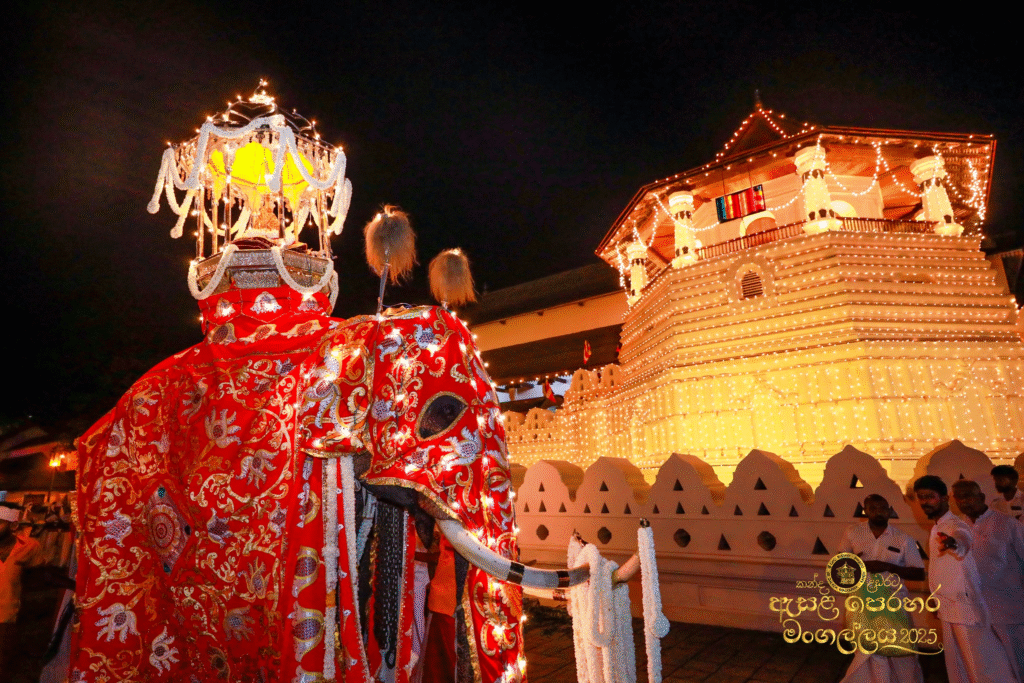
Sri Lanka is famous for its vibrant cultural festivals like the Kandy Esala Perahera, where majestic elephants adorned in traditional attire march through the streets. While these events are breathtaking, there’s a rare but serious risk: elephants going on a rampage due to stress, loud noises, or provocation. Knowing how to react in such situations can save lives. This article will guide you on what to do if an elephant suddenly becomes aggressive, including safety tips and preventive measures — especially relevant for festivalgoers, photographers, and tourists. Why Do Elephants Go on a Rampage? Elephants used in Peraheras are generally well-trained and accompanied by mahouts (handlers), but they are still wild animals with immense strength and unpredictability. Common triggers include: What Should You Do If an Elephant Goes on a Rampage? 1. Stay Calm — Don’t Panic Panic causes chaos. Stay as calm as possible and avoid screaming or running immediately unless you’re in direct danger. Controlled actions are more likely to keep you safe. 2. Immediately Move Away — But NOT in a Straight Line Elephants can run up to 40 km/h and may chase. If you’re close, move away at an angle (zigzag or diagonally) rather than a straight line. Elephants find it harder to chase in zig-zag paths due to their size and momentum. 3. Take Shelter If possible, get behind large obstacles: Never hide behind a bush or small pole. Elephants can easily knock over weak objects. 4. Avoid Getting Between the Elephant and the Crowd If the elephant is running toward a crowd, don’t run in between to cross paths. Move away from its line of sight, preferably sideways, and allow the animal to pass. 5. Do Not Try to Take Photos or Videos This is not the time to capture a viral video. Many injuries during rampages happen because people are too busy recording rather than escaping. 6. Listen to Authorities and Mahouts Always follow the directions of: They are trained to handle such situations and may give evacuation instructions or open emergency routes. Preventive Safety Tips at Peraheras If you’re attending a festival with elephants:
All Aboard the Ella Weekend Express: Sri Lanka’s New Luxury Rail Experience
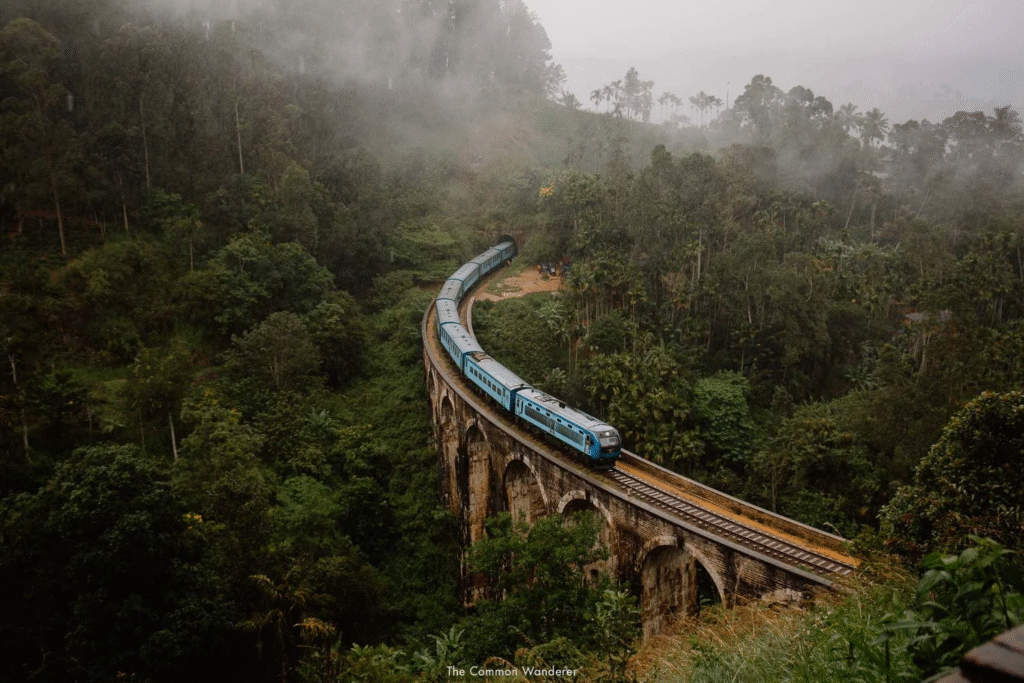
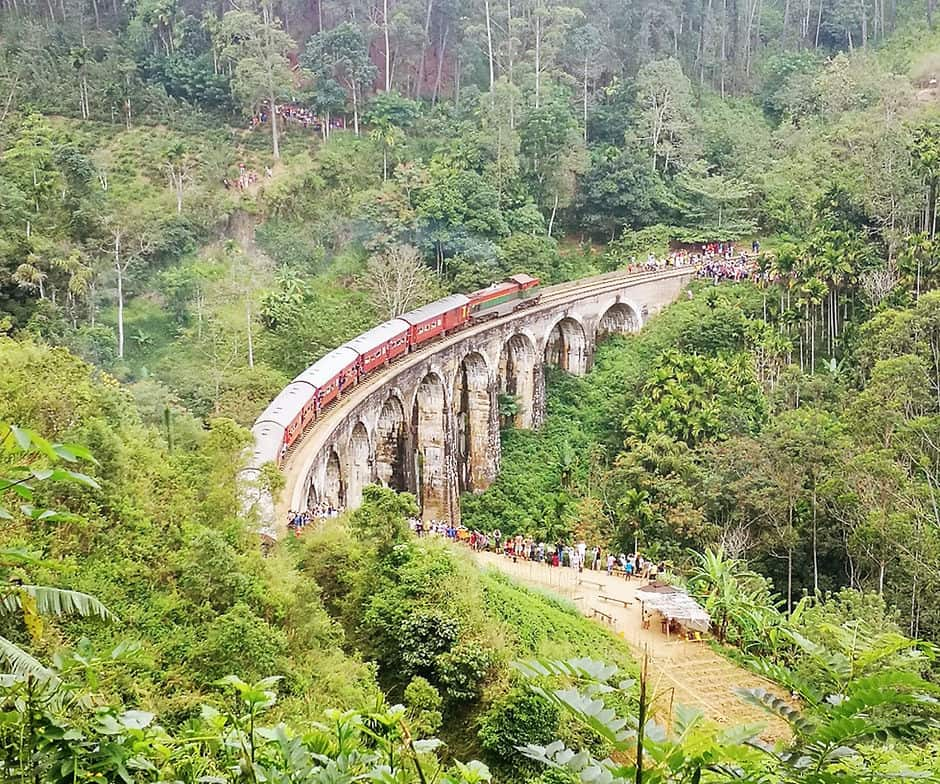
Launching August 16, 2025, the Sri Lanka Department of Railways will introduce the Ella Weekend Express – a premium train service running Colombo Fort ↔ Badulla on weekends. It’s designed to meet rising demand from local and international tourists seeking comfort and stunning views en route to Sri Lanka’s hill country Schedule at a Glance Segment Departure Arrival Capacity Colombo → Badulla Saturdays 05:30 AM Afternoon 350 seats Badulla → Colombo Sundays 09:00 PM Late night 350 seats This carefully timed weekend rotation provides a full-day outbound journey and a relaxed return—perfect for a getaway Scenic Highlights Along the Hill Country Route Traveling along Sri Lanka’s iconic Main Line (290 km from Colombo Fort to Badulla), passengers will be treated to enchanting sights: tea terraces, plunging waterfalls, misty valleys, and colonial-era towns, particularly between Nanu Oya and Ella—widely regarded as the most breathtaking stretch of railway in Asia. Passengers can expect views of: Unlike traditional trains, this luxury service will pause briefly at prime photography points to let travelers capture the moment. What Sets the Ella Weekend Express Apart Compared to the Ella Odyssey tourist train (running Thurs/Sat outbound, Fri/Sun return) and the daily Udarata Menike/Podi Menike services, the Ella Weekend Express provides a more exclusive, premium, and practical weekend option for leisure travelers Practical Tips for Travelers Why the Hill Country Has Global Appeal Sri Lanka’s Main Line railway—stretching from the coastal capital into the misty highlands—is globally revered for its nostalgic charm and visual drama. Although the full Colombo–Badulla journey takes 10–12 hours, the golden stretch from Nanu Oya to Ella delivers unforgettable views faster and better lit, particularly when riding eastbound in the morning sun. Friday evening: Travel to Colombo Fort or stay in the city. Saturday 05:30 AM: Depart Colombo Fort on Ella Weekend Express → arrive Badulla mid‑afternoon. Saturday/Sunday: Explore Ella, Nuwara Eliya, or tea‑estate retreats; join walks on the Pekoe Trail through lush tea fields. Sunday 21:00 PM: Board return train to Colombo, arriving late for smooth next-day transitions. Book Your Seat here – click here https://seatreservation.railway.gov.lk/mtktwebslr
Sri Lanka Crowned the Most Beautiful Island in the World for 2025
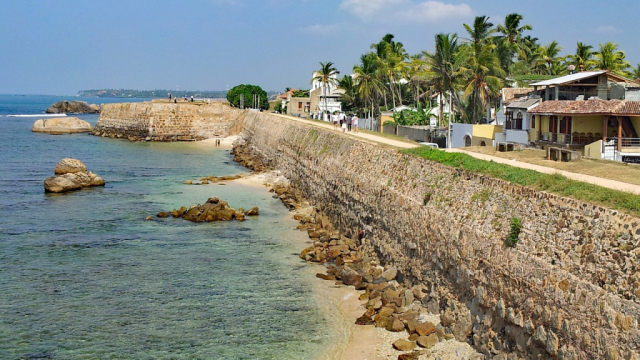
Sri Lanka has officially been crowned the Most Beautiful Island in the World by global travel platform Big 7 Travel, placing first in its “50 Best Islands in the World” list for 2025. This recognition comes shortly after another prestigious accolade—EnjoyTravel, via News First, named Sri Lanka the Best Island in the World in its own global ranking. What Earned Sri Lanka the No. 1 Spot Top 10 Islands in the 2025 Big 7 Travel list: Why the Awards Matter These recognitions arrive at a pivotal time for Sri Lanka’s tourism sector, which has been growing steadily. The country recorded over $1.5 billion in tourism revenue in the first half of 2024 alone, with a 62% rise in international visitor arrivals. This renewed global attention shines a light on Sri Lanka’s true potential—a destination that offers a complete travel experience: ancient culture, natural beauty, adventure, and hospitality. What Makes Sri Lanka So Special Tourism on the Rise Sri Lanka’s inclusion at the top of multiple global travel lists signals strong confidence in its tourism comeback. The government and private sector continue to invest in infrastructure, digital marketing, and eco-friendly initiatives to ensure sustainable tourism growth. More travelers around the world are now looking to Sri Lanka not just as a beautiful island, but as an immersive experience of culture, nature, and unforgettable moments.
Top 5 Things You Must NOT do in Sri Lanka
The South Asian Island travelling destination Sri Lanka offers unforgettable memories throughout your journey. From sandy beaches to a vast variety of wildlife experiences, the country has so much to offer. As a multi-cultural nation, the country will offer you unique experiences. However, not only for Sri Lanka any country what place you travel you must know what to do and what not to do in a country. Here are the five most common things you must not do in the country. 1. Do not eat with your left hand Sri Lankans use their right hand to eat. Eating with the left hand is not ok for many, and if you are uncomfortable with eating with your hand, it’s better to use cutlery. 2. Do not turn your back to the Lord Buddha statues. The majority of Sri Lankans are Buddhists, and all the Buddhist temples and Buddha statues are highly respected. However, turning back and taking pictures is highly unacceptable. Also, you will see signs showing not to turn back to the statues in many places. But it’s good not to turn your back to the statues even if it’s not recommended for you. 3. Do not bathe in unknown places As an Asian country, Sri Lanka is filled with many beautiful lakes’ rivers and waterfalls. If you really wish to enjoy the bathe, always try places where locals are using. Not only for those this applies to the beaches too. Check the warning signs around and try the places that locals are using. 4. Do not wear too much revealing clothes to religious places. It’s a tradition in the country to wear decent fewer revealing clothes to the religious places. So check the styles the locals wear, and you can match with them. 5. Showing too much affection in public places is not common Sri Lankans are not usually used to show affection in public. So hugging kissing or many other affectionate activities in public places are not common. Stay with us to know more
Where to Eat in Kandy During the Esala Perahera: Top Spots for Foodies
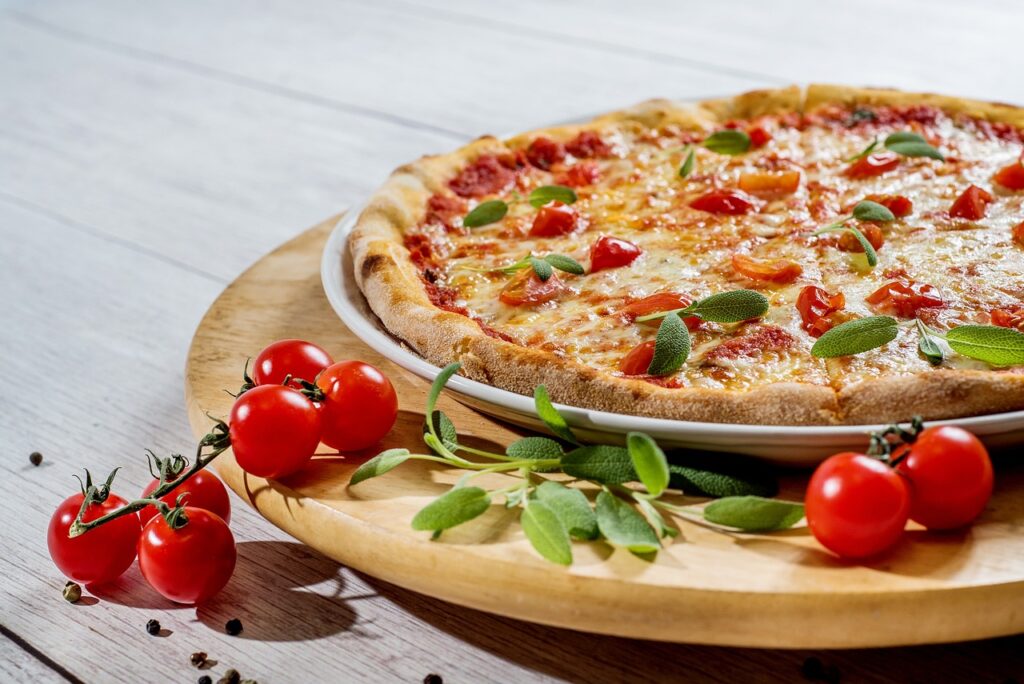
Kandy’s Esala Perahera is one of Sri Lanka’s most spectacular annual events. Every year in July/August, the sacred city of Kandy comes alive with a 10-day cultural festival honoring Buddha’s Sacred Tooth Relic Nightly processions wind through town with traditional dancers, drummers, fire-breathers and brightly-lit elephants This “Festival of the Tooth” is often cited as one of the world’s oldest cultural celebrations, drawing crowds from across Sri Lanka and beyond. The good news: Kandy has a thriving food scene to keep your energy up. From spicy Sri Lankan curries to wood-fired pizzas and trendy cafés, there’s something for every taste. Local cuisine is a flavorful fusion of spices – think aromatic rice-and-curry, fresh seafood and tropical fruits – influenced by centuries of cultural blend. During Esala Perahera, popular eateries fill up fast, so many festival-goers recommend arriving early or even booking ahead. Whether you’re a tourist or a local, you’ll definitely want to know the best spots to eat. Top Restaurants in Kandy for the Perahera Organica Lounge – A hip café specializing in healthy bowls, salads and fresh juices. Just 650 m from the Tooth Temple, it’s a great spot for breakfast or lunch between Perahera events. Organica has a relaxed vibe and offers vegetarian and vegan options, and reviewers rate it about 4.8/5. Devon Captain’s Table – A historic tea house dating back to colonial times. Located on the main parade route (just 450 m from the temple), Devon serves Sri Lankan hoppers, snacks and British-style tea. It has antique décor and old-world charm – a cool place to step back in time. (Pulse notes a rating of about 4.0/5.) Mandiya – A local treasure for Sri Lankan sweets and snacks. Mandiya (meaning “Monkey” in Sinhalese) on Senanayake Veediya is famous for crispy kithul jaggery pancakes and sweets. It’s right by the Temple grounds (Pushpadana Complex) and is strictly take-away. According to Pulse, it’s rated ~4.4/5, and it’s loved for affordable traditional desserts that recharge you between performances. Java Lounge – A popular coffeehouse chain in Kandy. Java Lounge is just 80 m from the temple (almost across the street), offering coffee, smoothies and sandwiches around the clock. It’s a reliable modern café if you need a quick caffeine fix; visitors give it about 4.6/5. Cafe 1886 – Tucked inside the private Hill Club, this elegant café is set in colonial-era splendor. Cafe 1886 makes gourmet coffee, cakes and European-style sandwiches. It’s about 1.1 km from the Temple. While pricier, it’s beloved for its tasty desserts and grand interior (reviews ~4.3/5). A perfect place to unwind after a night of drumming and dancing. Aroma Cafe – A cozy 24/7 diner on Colombo Street, just 2 minutes’ walk from the Tooth Relic. It’s great for Sri Lankan curries, omelettes or pastries at any hour. Pulse gave it around 4.3/5 for its hearty menu and friendly service. Locals often stop here for an affordable meal or late-night coffee. These suggestions cover a range of tastes: from Western-style pizzas and coffees to authentic Sri Lankan fare. The downtown area around Kandy Lake and the Temple is packed with eateries of all kinds. For example, Cafe Nuwara, Buono, Blizz Cafe, and Premium Outlet are other local favorites. So whether you’re a traveler or a local, you’ll find plenty of tasty options. Tip: during Perahera evenings, many restaurants have wait lists, so try to dine early or enjoy a late dinner after the crowds thin. ## Where to Stay and Other Tips With so much action in Kandy, you’ll want a comfortable base nearby. Many visitors stay within walking distance of the Temple of the Tooth. For instance, the historic Queen’s Hotel, Kandy – Sri Lanka’s oldest grand hotel – is just 450 m from the Tooth Relic shrine and often offers colonial-style rooms. Other popular options include Lake Avenue Kandy and Heritage Boutique, both under 600 m from the festival route. Budget travelers can also consider Oak Ray City Kandy (a no-frills hotel) for a lower price point. If you plan to buy reserved seats for the Perahera, book early. Official ticket vendors (e.g. Royce Tours & Travels at Queen’s Hotel) open sales months in advance. For example, the first Kumbal Perahera seat at Queen’s Hotel (July 30, 2025) was listed for about $80 (see official Kandy Perahera booking site) peraheratickets.com. Local sites like MyTickets.lk also sell confirmed seats at various restaurants or pavilion galleries. (Sri Lankan citizens use LKR tickets, while foreign visitors pay in USD.) Kandy’s Esala Perahera is a once-in-a-lifetime experience for both Sri Lankan and international visitors – just remember it’s a busy festival, so plan ahead! Carry some cash (many small vendors won’t take cards), stay hydrated, and dress modestly (the Temple requires covered knees/shoulders). Enjoy the vibrant culture – and of course, the food. For more Sri Lanka travel tips, see our Sri Lanka travel guide – Enchanting Charms lankan.org. We hope this guide helps you dine like a local and enjoy every moment of the Perahera! Sources: Information adapted from Lankan.org lankan.org, Wikipedia en.wikipedia.org, the official Kandy Perahera booking site peraheratickets.com and local guides pulse.lk
The World’s Hardest Military Training Programs: Pushing the Limits of Human Endurance
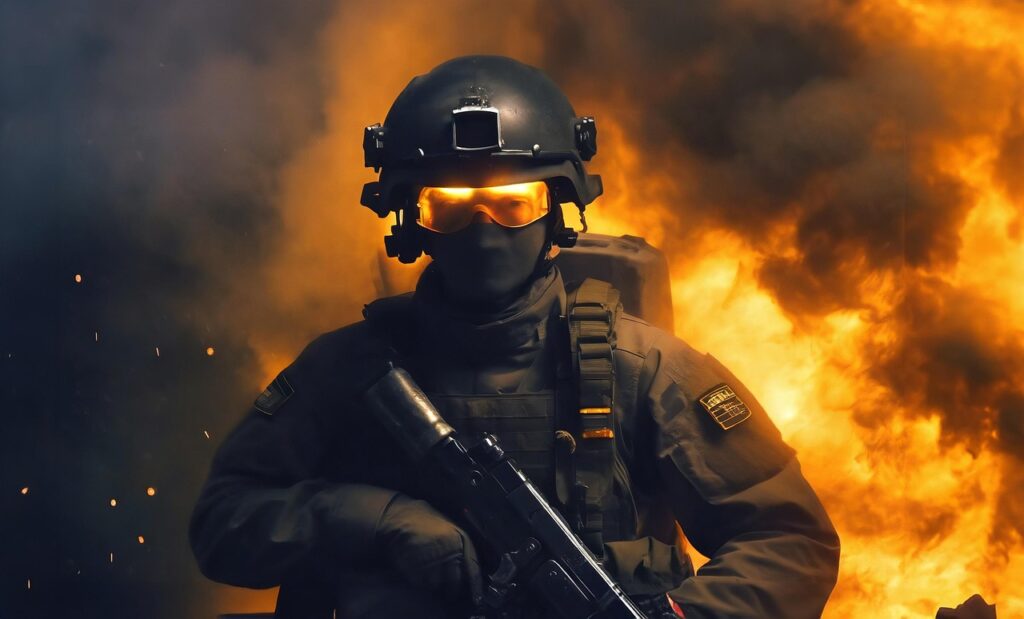
Military training is designed to break you — physically, mentally, and emotionally — and only the strongest survive. Around the world, elite special forces undergo some of the toughest training regimens known to mankind, pushing the boundaries of endurance, pain, and psychological resilience. Let’s take a deep dive into the most brutal military training programs across the globe — where failure is common, but quitting is never an option. 🇺🇸 U.S. Navy SEALs – Hell Week and Beyond Location: United StatesDropout Rate: Over 75% The SEALs are legendary for a reason. Their BUD/S training, especially the infamous Hell Week, is one of the most grueling experiences a soldier can face. Candidates face days of sleep deprivation, icy ocean drills, nonstop physical punishment, and psychological pressure. Only a small fraction make it to the end and earn the SEAL Trident. 🇷🇺 Russian Spetsnaz – Blood, Ice, and Fire Location: RussiaUnique Challenges: Hand-to-hand combat with live blades, psychological abuse, and winter survival in sub-zero conditions. Spetsnaz troops undergo intense beatings, are taught to ignore pain, and sometimes face extreme situations like getting shot with rubber bullets or stabbed with real knives as part of resilience training. Brutal doesn’t even begin to describe it. 🇰🇷 South Korean UDT/SEAL – Arctic Punishment Location: South KoreaTraining Feature: Sub-zero water dives, snow combat drills South Korea’s elite naval commandos conduct their winter training in blizzards, freezing rivers, and snow-covered battlefields. The goal? Survive and function at peak performance in some of the harshest environments on Earth. 🇮🇱 Israeli Sayeret Matkal – Intelligence + Physical Dominance Location: IsraelFocus: Recon, intelligence, survival Israel’s most elite unit demands both brains and brawn. The training includes language mastery, advanced surveillance, and field combat — often under simulated real-world pressure, like abductions and high-value target raids. 🇬🇧 UK SAS – “Who Dares Wins” in Action Location: United KingdomInfamous Test: The Fan Dance (24km speed march over mountainous terrain) The British Special Air Service (SAS) puts recruits through interrogation simulations, sleep deprivation, and harsh endurance tests, including the legendary “Fan Dance” in the Brecon Beacons. Failure is expected — only a handful pass. 🇫🇷 French Foreign Legion – Brotherhood in Brutality Location: FranceTraining Length: 15 weeks of non-stop endurance The Legion demands absolute discipline. Recruits face heat exhaustion, desert marches, and a strict code of silence and brotherhood. Many join without even speaking French — but those who survive come out as elite warriors with unbreakable bonds. 🇮🇳 Indian Para SF – The Phantom Warriors Location: IndiaSelection Rate: Less than 10% One of the most secretive and feared forces in Asia, the Para (Special Forces) go through 90 days of hellish testing, which includes brutal marches, combat simulations, and survival with minimal food or water. The motto? “Balidaan” – Sacrifice. 🇨🇳 Chinese Snow Leopard Commando Unit – Urban Warfare Experts Location: ChinaSpecialization: Anti-terrorism, hostage rescue These troops undergo obstacle-heavy endurance tests, live fire drills, hand-to-hand combat, and hostage rescue exercises — often under sleep deprivation and in full combat gear. 🇧🇷 BOPE (Brazil) – Warzone Training in the Favelas Location: BrazilKnown For: Real-world urban warfare scenarios Brazil’s BOPE unit is trained to operate in extremely violent environments, often dealing with drug cartels and terrorism. Their physical training is harsh, but the real challenge comes from live missions in deadly favelas. 🌍 Special Forces: World’s Toughest Test (TV Insight) Even Hollywood tried to simulate what special forces endure in the TV show Special Forces: World’s Toughest Test, where celebrities attempt real SF-style training. Most quit in days — showing just how unforgiving this path is, even under simulation. Final Thoughts: Why This Matters to Sri Lanka With Lieutenant Koyan Chamitha recently completing U.S. Navy SEAL training, Sri Lanka has officially entered the conversation about elite global military standards. His success highlights the potential within our forces — and the extreme level of resilience required to operate on this stage.