Five Facts About the Easter Bombings in Sri Lanka!
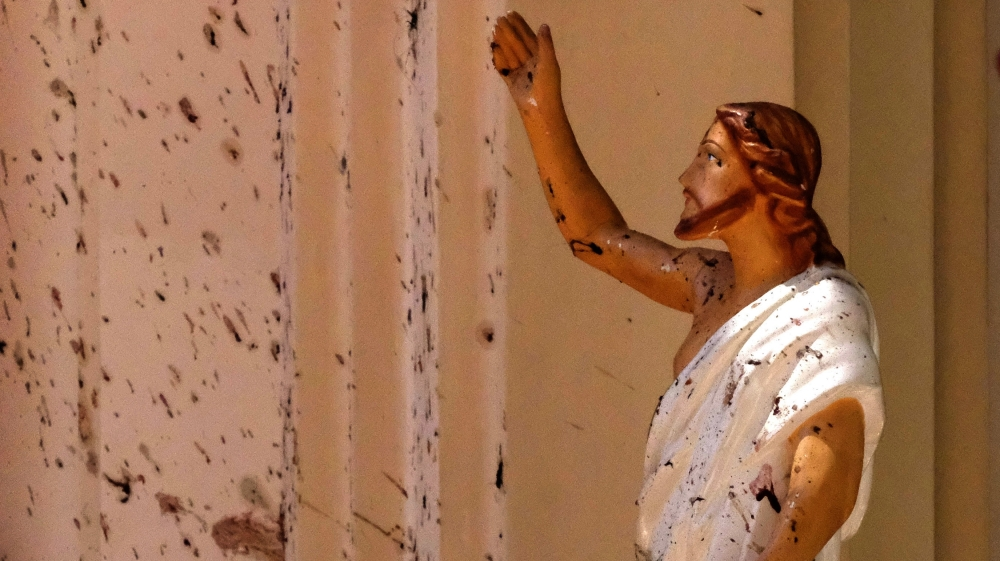
The Easter bombings in Sri Lanka that occurred on April 21, 2019, shocked the world and left a profound impact on the nation. This coordinated series of terrorist attacks targeted churches and hotels, resulting in a significant loss of life and widespread fear. Here are five crucial facts about the Easter bombings in Sri Lanka that shed light on this tragic event. The Easter Sunday bombings in Sri Lanka targeted several locations across the country. Three churches, including St. Anthony’s Shrine in Colombo, St. Sebastian’s Church in Negombo, and Zion Church in Batticaloa, were attacked during Easter morning services. Additionally, three high-end hotels in the capital city of Colombo, the Shangri-La, Cinnamon Grand, and Kingsbury Hotel, were also targeted. These coordinated attacks were designed to inflict maximum damage and casualties. The Easter bombings in Sri Lanka resulted in a devastating loss of life. The attacks killed over 250 people and injured hundreds more, making it one of the deadliest acts of terrorism in the country’s history. The victims included both Sri Lankan citizens and foreigners who were attending Easter services or staying at the targeted hotels. The attacks left countless families shattered and communities in mourning. In the aftermath of the bombings, it was revealed that a local Islamist extremist group called National Thowheed Jama’ath (NTJ) was responsible for carrying out the attacks. The NTJ had previously come to the attention of authorities due to its extremist views and activities. The group’s involvement raised concerns about the rise of radicalism in Sri Lanka and the potential for further violence. Investigations into the Easter bombings revealed that the attackers had international connections. It was discovered that the group had received support and guidance from a global terrorist organization, ISIS (Islamic State of Iraq and Syria). This international link underscored the need for countries worldwide to cooperate in the fight against terrorism and to address the global reach of extremist ideologies. The Easter bombings had far-reaching repercussions for Sri Lanka. In the immediate aftermath, the government imposed a state of emergency, and security measures were heightened across the country. The attacks also had a significant impact on tourism, a crucial sector of the Sri Lankan economy. The government faced criticism for its handling of intelligence and security prior to the bombings, leading to political upheaval and changes in leadership. Conclusion The Easter bombings in Sri Lanka were a tragic event that highlighted the global nature of terrorism and the need for increased cooperation in counterterrorism efforts. The loss of innocent lives and the widespread fear and sorrow caused by these attacks serve as a reminder of the ongoing challenges posed by extremism and the importance of addressing its root causes. Sri Lanka continues to heal from the scars of this event and work towards a more secure and peaceful future.
10 Best Sri Lankan Foods You Should Try
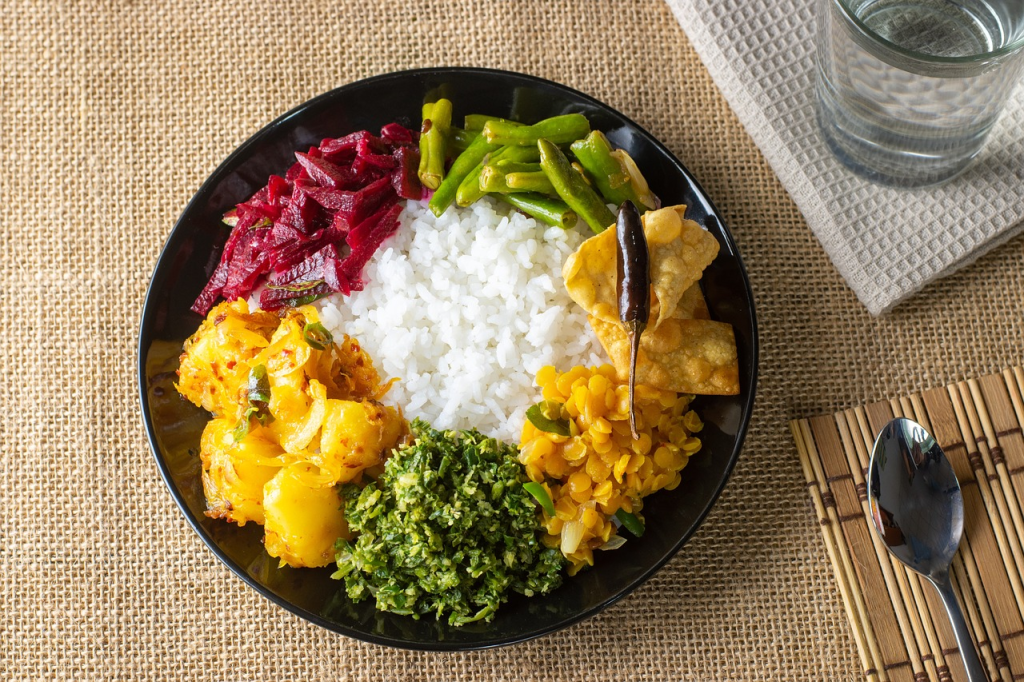
Sri Lanka, a jewel in the Indian Ocean, is not just famous for its breathtaking landscapes and warm hospitality; it’s also a haven for food enthusiasts. The island’s culinary delights offer a kaleidoscope of flavors, blending spices, fresh ingredients, and traditional cooking methods. In this gastronomic journey, we will explore the ten best Sri Lankan foods that deserve a spot on your must-try list. 1. Rice and Curry: A meal that epitomizes Sri Lankan cuisine, “rice and curry” is a tantalizing blend of aromatic rice served with an array of curry dishes. These curries can feature chicken, fish, beef, or even vegetarian options, all seasoned with a delightful mix of spices and coconut milk. 2. Hoppers (Appa): For breakfast or any time of the day, hoppers are a unique and delicious choice. These bowl-shaped rice flour pancakes have crispy edges and a soft center, making them perfect for scooping up dhal (lentil curry) or sambols. 3. Kottu Roti: A dish as entertaining as it is delicious, kottu roti is a popular street food. It involves chopped-up roti (flatbread) stir-fried with vegetables, egg, and your choice of meat or seafood, all seasoned with spices and curry sauce. 4. Lamprais: Lamprais is a testament to Sri Lanka’s cultural diversity. Dutch Burgher cuisine meets Sri Lankan flavors in this dish, where a mixture of meat, vegetables, and rice is baked in a banana leaf packet for a harmonious culinary experience. 5. Deviled Dishes: If you’re a fan of spicy food, you’ll love Sri Lankan deviled dishes. Deviled chicken, fish, or even mushrooms are cooked with a fiery blend of chili, onions, and capsicum, delivering an explosion of flavors. 6. String Hoppers (Idiyappam): A favorite for breakfast or dinner, string hoppers are delicate, thin rice noodles that are steamed to perfection. They are traditionally served with dhal and coconut sambol for a wholesome meal. 7. Pol Sambol: Pol sambol, or coconut sambol, is a zesty condiment that accompanies many Sri Lankan dishes. It’s made with grated coconut, red chili flakes, lime juice, and onions, adding a kick to your meal. 8. Fish Ambul Thiyal: Fish lovers rejoice with this tangy and spicy dry fish curry. Tamarind and goraka (a local fruit) impart a unique sour flavor that makes fish ambul thiyal an unforgettable experience. 9. Wattalappam: To satisfy your sweet tooth, indulge in wattalappam, a rich custard-like dessert made with jaggery, coconut milk, and spices. Its sweet, warm flavors are the perfect ending to a hearty meal. 10. Sri Lankan Roti: Whether stuffed with a savory filling or enjoyed plain, Sri Lankan roti is a versatile flatbread made from wheat or rice flour and coconut. It pairs wonderfully with curries or can be a satisfying snack on its own. Conclusion: Sri Lanka’s culinary landscape is as diverse as its geography. From fiery deviled dishes to the comforting simplicity of rice and curry, this list of ten must-try Sri Lankan foods is just the beginning of your culinary adventure on this enchanting island. So, the next time you’re in Sri Lanka, be sure to explore the local flavors and savor these delicious dishes that will leave your taste buds wanting more.
Revo Advertising Bags a Special Jury Award at the SLIM SMEDA

Head of Business & Creative Director of Revo – Revolution Advertising Mr. Revo Pathum Weeramanthri receiving the Jury Award at the SLIM SMEDA. Revo – Revolution Advertising, one of the accredited marketing communication and advertising agency (www.revo.lk) was the proud winner of Special Jury Award in Service Category, at the Small and Medium Enterprise Development 2022 Awards (SMEDA). The majestic annual event of awards ceremony organized by Sri Lanka Institute of Marketing (SLIM) was held at Colombo, Monarch Imperial. Revo Advertising, an accredited advertising agency in Sri Lanka, provides marketing and advertising services (ATL advertising) in international standards.Revo advertising is rapidly gaining ground offering a full range of advertising related services including ideas, concept development, audio – video production, graphic designing, logo designing, social media marketing, drafting media releases, content marketing, writing and translation services (Sinhala, Tamil, English and Arabic), web designing and app development. Revo Advertising is pleased to have an experienced and expert staff who have worked with world-renowned brands. “Working on the theme that ‘It is our business to revolutionize your business’, we have already revolutionized many businesses. Best Entrepreneur 2020 Gold Award for proving revolutionary excellence and receiving such a special award is a great testimony to our success. In 2022, Revo Advertising was set to expand its business to Dubai and the United States of America. Furthering our mission, our website (www.revoadvertising.com) features marketing awareness articles relevant to university students and clients. In this great moment, we would like to express our special thanks and gratitude to the staff of Revo, our valued clients and business partners who have supported for this great achievement” Head of Business & Creative Director of Revo – Revolution Advertising Mr. Revo Pathum Weeramanthri stated.
State TV Channel handed over to Lyca owned network?
Sri Lankan media circles were jolted by a recent development that saw the government surreptitiously transfer control of one of the nations most loved state TV channels, to one of the most controversial private players on the media scene in Sri Lanka. In what is seen as one of the most draconian decisions taken by any government in the recent past a national TV channel with ‘Island wide frequencies’ has been parceled out to a private business entity. LYCA mobile owner Alirajah Subaskaran, who is a very controversial businessman with allegations of bribery, money laundering etc, took control of Swarnavahini from the EAP Group during the last regime, under the Premiership of Ranil Wickramasinghe. This time around, the media industry was stunned to learn that CHANNEL EYE, a state TV organization under the Rupavahini Act, was parceled out without so much as a whisper, to Lyca. The deal smacks of an inside deal and political favor’s, according to many industry observers who also note that it is completely illegal. TRC regulations demand a very strict and stringent process of frequency allocation, but in this case, the govt has handed over multiple frequencies to one single owner, without an open tender or following govt procedure. Legal action against this move is expected in the coming months by a number of organizations, citing a lack of due process and illegal transfer of frequencies of a national broadcaster that is administered under the Rupavahini Act of the Sri lankan Parliament. In 2010, a similar channel take over resulted in the creation of CSN, a sports channel, operated by entities close to the then govt. The channel collapsed following the fall of the government and those connected to the channel were investigated and some served jail terms. Sources https://www.theguardian.com/money/2020/feb/02/major-tory-donor-lycamobile-embroiled-in-three-disputes-with-hmrc Lycamobile is currently being investigated for money laundering in the UK Lycamobile’s Offshore Empire Is Embroiled In Sri Lanka’s Hunt For Stolen Assets https://www.buzzfeed.com/janebradley/lycamobiles-offshore-empire-is-embroiled-in-corruption-probe
Is Sri Lanka a rich or poor country?
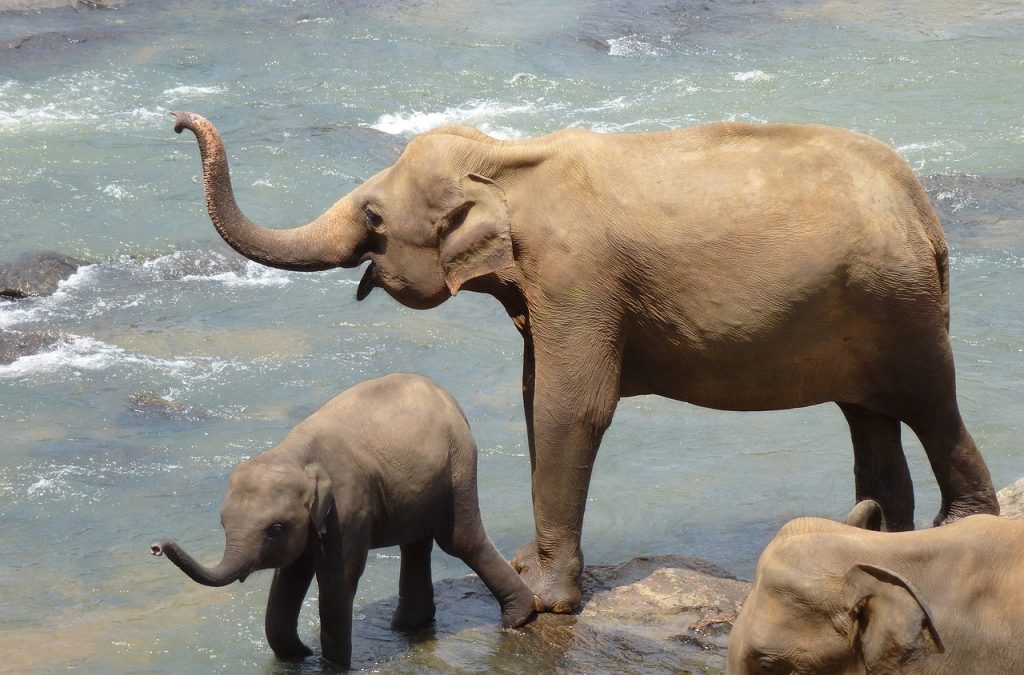
Introduction: Sri Lanka, a captivating island nation nestled in the Indian Ocean, has been a source of fascination for travelers around the world. Known for its rich heritage, stunning landscapes, and warm hospitality, Sri Lanka offers a plethora of experiences to indulge in. In this article, we will delve into some key aspects of this remarkable country, including its economic status, popular attractions, geographical size, and population. Is Sri Lanka a rich or poor country? Assessing a country’s wealth is a complex matter that involves various factors. Sri Lanka can be considered a developing nation, with a diverse economy heavily reliant on agriculture, textiles, tourism, and services. While it faces certain economic challenges, Sri Lanka has made significant strides in recent years in terms of infrastructure development, education, and poverty reduction. The country’s rich cultural heritage and natural beauty contribute to its overall prosperity, attracting tourists from all corners of the globe. For which Sri Lanka is famous for? Sri Lanka boasts a treasure trove of cultural, historical, and natural wonders that have earned it worldwide acclaim. Here are some of the key attractions that make Sri Lanka famous: How big is Sri Lanka? Sri Lanka covers an area of approximately 65,610 square kilometers (25,330 square miles), making it a relatively small country in terms of landmass. Despite its size, Sri Lanka is packed with diverse landscapes, ranging from pristine beaches to lush mountains and dense rainforests. Traveling within the country is convenient due to its compact size, allowing visitors to explore multiple regions without excessive travel time. How many people are in Sri Lanka? As of the most recent estimates, Sri Lanka has a population of around 22 million people. The country has a multi-ethnic society comprising the Sinhalese, Tamil, Muslim, and Burgher communities, each with their unique traditions and cultural practices. Sri Lankans are known for their warmth, friendliness, and hospitality, creating a welcoming environment for visitors. Conclusion: Sri Lanka, with its rich cultural heritage, breathtaking landscapes, and warm-hearted people, continues to enchant travelers seeking an immersive and unforgettable experience. Despite its economic challenges, the country’s inherent wealth lies in its vibrant traditions, natural beauty, and diverse attractions. Whether you’re exploring ancient ruins, lounging on pristine beaches, or embarking on wildlife adventures, Sri Lanka promises an enriching journey filled with memorable encounters. Image courtesy – Pixabay
IORA Workshop on “Cooperation for Maritime Security” successfully concluded
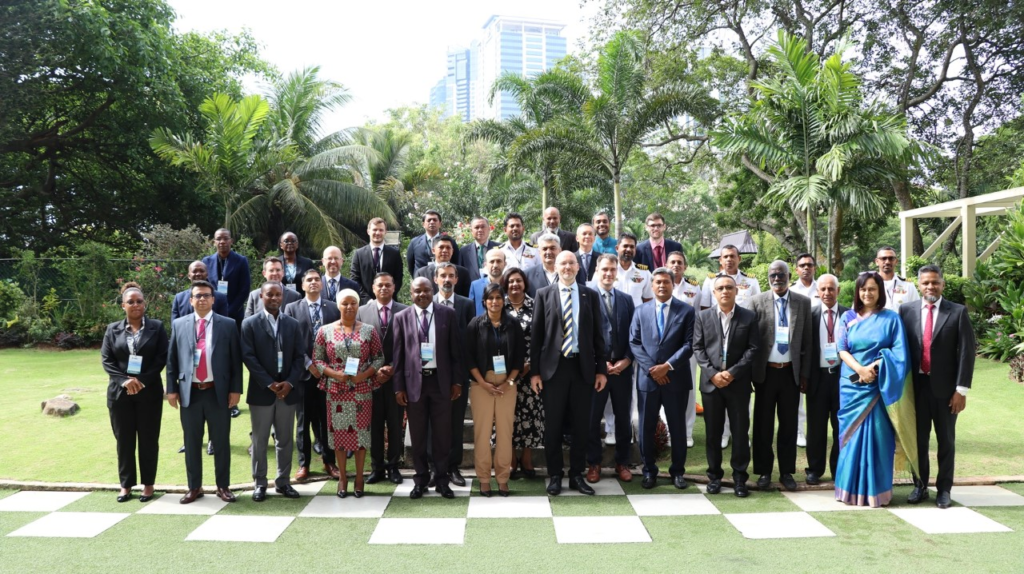
A three-day Workshop on “Cooperation for Maritime Security” organized by the Ministry of Foreign Affairs in collaboration with the Max Planck Foundation for International Peace and the Rule of Law and Indian Ocean Rim Association (IORA) concluded on 23 March. The workshop provided an insightful analysis on IORA Member States to identify gaps between domestic legislation and United Nations Convention on the Law of the Sea (UNCLOS). The focal points of maritime safety and security of the IORA Member States, namely Australia, Bangladesh, France, India, Indonesia, Iran, Kenya, Madagascar, Malaysia, Maldives, Mauritius, Mozambique, Seychelles, Somalia, South Africa, Tanzania, Thailand, Yemen and officials from the Ministry of Foreign Affairs, Sri Lanka Navy and Sri Lanka Coast Guard attended the event. Participants from Dialogue Partners of IORA, Germany, Italy, Japan and USA also joined the workshop virtually. Professor at the Faculty of Law of the University of New South Wales (UNSW) and President of the Australian Branch of the International Law Association Natalie Klein, Senior Research Fellow, Max Planck Foundation, Arron N. Honniball, Research Fellow, Max Planck Foundation, Egor S. Fedorov, Programme Support Officer, Global Maritime Crime Programme (GMCP) of United Nations Office on Drugs and Crime (UNODC), Asyura Salleh along with experts from Sri Lanka Navy and Sri Lanka Coast Guard conducted the session. The Workshop was held on the sideline of the 3rd Meeting of IORA Working Group on Maritime Safety and Security on 20 March 2023 inaugurated by Foreign Secretary Aruni Wijewardane and attended by the Heads of Mission of IORA Member States and Dialogue Partner countries based in Colombo, Senior Officials of Ministry of Foreign Affairs, Ministry of Fisheries, Sri Lanka Navy, Sri Lanka Air Force, Sri Lanka Coast Guard, Sri Lanka Ports Authority, Merchant Shipping Secretariat, Disaster Management Center and Marine Environment Protection Authority, the UNODC, and officials of the Max Planck Foundation as well as representatives of the GIZ.
Mahanayake Theros urge President to ease people’s hardships and hold elections on time
Sri Lanka’s most senior Buddhist monks, known as Mahanayake Theros, have written a letter to President Gotabaya Rajapaksa, asking him to take immediate steps to ease the economic and social difficulties faced by the people and to conduct the local government elections on time12. The Mahanayake Theros of the three main Buddhist sects – Malwathu, Asgiri and Ramanna – said that they are deeply concerned about the rising cost of living, unemployment, poverty, corruption and environmental degradation that have affected millions of Sri Lankans1. They said that these issues have been aggravated by the COVID-19 pandemic and the mismanagement of public funds by successive governments1. The Mahanayake Theros also expressed their dissatisfaction with the delay in holding the local government elections that were due in 2018 but have been postponed several times due to various reasons1. They said that holding free and fair elections is a democratic right of the people and a duty of the government1. The Mahanayake Theros reminded the President that he was elected by a majority of voters who expected him to fulfil his promises and uphold good governance1. They urged him to listen to their proposals that they had submitted earlier on April 4, 2022, which included constitutional reforms, electoral reforms, judicial reforms and national reconciliation3. The Mahanayake Theros warned that if their proposals are ignored or rejected, they will be compelled to issue a Sangha Order (a religious decree) that will mobilise all Buddhist monks and lay followers against the government1. They said that they are ready to take any action necessary to protect Buddhism and safeguard the rights and welfare of the people1.
Sri Lanka’s local government elections face delay no funds for ballot papers

Sri Lanka’s local government elections scheduled for March 9 may be postponed due to a shortage of funds for printing ballot papers, according to the Government Printer. A senior officer from the Government Printer said that they have not received any allocation from the National Election Commission (NEC) for the printing process and that they cannot commence it without funds12. The officer said that they need at least Rs. 200 million ($1 million) to print around 15 million ballot papers for 341 local authorities across the country1. He said that they have already prepared the designs and layouts for the ballot papers but they are waiting for the NEC to provide them with funds and finalise the candidates’ lists1. The NEC has acknowledged that it has not allocated any funds for the Government Printer yet and that it is facing a financial crisis due to a delay in receiving its annual budget from the Treasury2. The NEC has said that it is trying to resolve the issue as soon as possible and that it hopes to hold the elections on time2. The local government elections have been delayed several times since 2018 due to various reasons, including legal challenges, constitutional amendments and COVID-19 pandemic3. The elections are seen as a crucial test for President Gotabaya Rajapaksa and his ruling Sri Lanka Podujana Peramuna (SLPP) party who are facing public discontent over their handling of the economy, health crisis and human rights issues3. The opposition parties, including the United National Party (UNP), Samagi Jana Balawegaya (SJB) and Janatha Vimukthi Peramuna (JVP), have accused the government of deliberately delaying the elections to avoid a defeat at the grassroots level3. They have also criticised the government’s decision to use electronic voting machines instead of paper ballots in some areas, alleging that it could lead to fraud and manipulation3.
Why do Sri Lanka celebrate Independence Day?
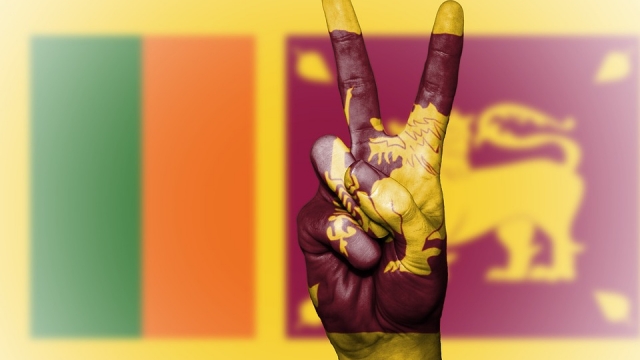
Sri Lanka, a small island nation located off the southern coast of India, celebrates Independence Day on February 4th each year. This day marks the country’s independence from British colonial rule in 1948. The celebration of Independence Day is an important event for the people of Sri Lanka as it recognizes their nation’s hard-fought freedom and marks the beginning of a new era in the country’s history. “Sri Lanka Independence Day” Independence Day is celebrated with great enthusiasm and pride throughout Sri Lanka. The streets are decorated with national flags and banners, and people gather to participate in parades, speeches, and other patriotic events. Schools and government offices hold special ceremonies, while private organizations and businesses also take part in the celebrations. One of the most significant events that take place on Independence Day is the raising of the national flag. This ceremony takes place at the Independence Memorial Hall in Colombo, the capital city of Sri Lanka. The flag is raised by the President of Sri Lanka, who then delivers a speech to the nation. This speech is broadcast live on national television and radio, and is widely listened to by people all over the country. In addition to the flag raising ceremony, Independence Day is also marked by cultural and sports events. Many communities organize cultural shows and competitions, such as traditional dances, music performances and drama competitions, to showcase Sri Lanka’s rich cultural heritage. The day is also celebrated with sports events, such as cricket and football matches, to promote national unity and encourage healthy competition among the people. Another important aspect of Independence Day celebrations is the emphasis on national unity. The day is a reminder of the importance of coming together as a nation, regardless of differences in ethnicity, religion or language. As the President of Sri Lanka Maithripala Sirisena said in his Independence Day speech in 2016, “Independence Day is not only a day to remember our past, but also a day to look forward to a brighter future for our country, united as one nation.” Independence Day is also an opportunity for Sri Lanka to reflect on its past struggles and achievements, as well as its current challenges and opportunities. The country has come a long way since 1948, but there is still much work to be done to ensure a better future for all Sri Lankans. As the former Prime Minister of Sri Lanka, Ranil Wickremesinghe said in his Independence Day speech in 2018, “We must continue to strive for a prosperous and peaceful Sri Lanka, where every citizen has equal opportunities to succeed.” FAQs
Who Are The Dawoodi Bohra Muslims of Sri Lanka?
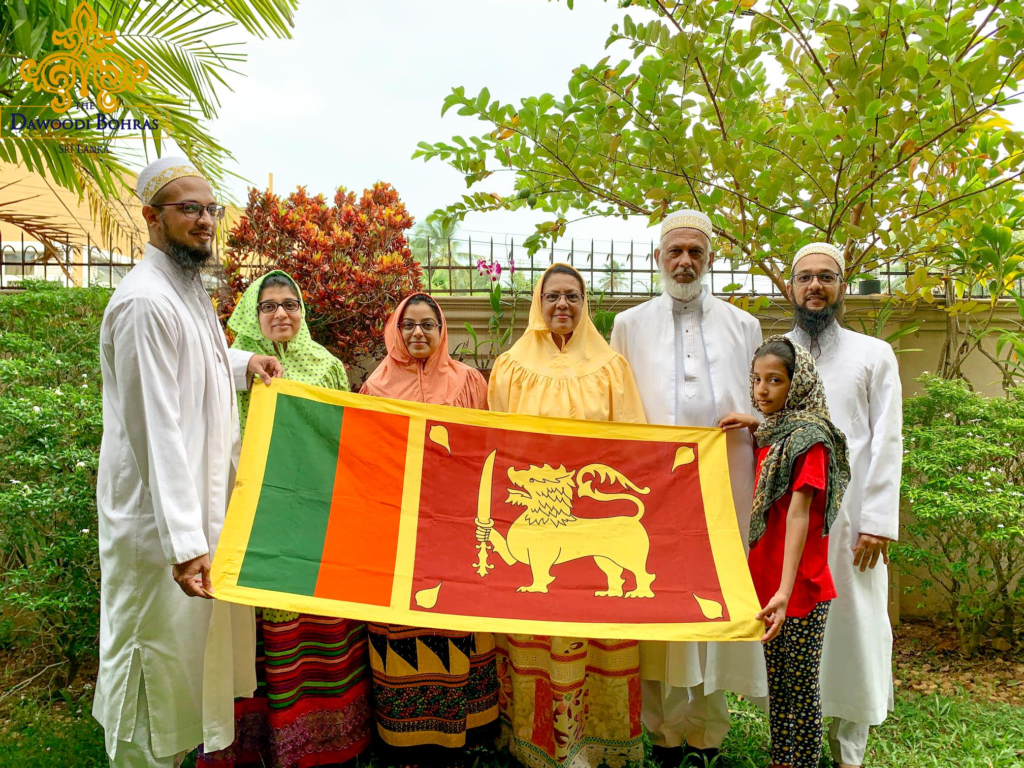
The Dawoodi Bohras are a sect of Shia Islam and are a minority community in Sri Lanka. The community is known for its strong emphasis on education and business enterprise, and has made significant contributions to the country’s economy. The Dawoodi Bohras have a long history in Sri Lanka, with the first members of the community arriving in the country in the 19th century. They have primarily settled in the cities of Colombo and Beruwala, and have established themselves as successful merchants and traders. Their businesses have included textiles, jewelry and other handicrafts, and their success has led to the development of several Bohra-owned factories and commercial establishments across the country. The Dawoodi Bohra community is also known for its emphasis on education, and has established several schools and educational institutions in Sri Lanka. These schools provide a high-quality education and focus on both academic and Islamic education, ensuring that the children of the community are well-equipped to succeed in the modern world. Despite their successes, the Dawoodi Bohras have faced discrimination and marginalization in Sri Lanka. This is primarily due to their being a minority community and their distinct dress and customs which makes them stand out. However, in recent years there have been efforts to raise awareness of the Dawoodi Bohra community and their culture and to promote their inclusion in mainstream society. A youtube video about the history of bohras in Sri Lanka