Sri Lanka Crowned World’s No. 1 Travel Destination for October 2025: A Deep Dive into Its Unrivalled Appeal and Recent Triumphs

COLOMBO, Sri Lanka – October 2, 2025 – In a resounding endorsement of its growing global allure, Sri Lanka has officially been named the world’s number one travel destination for October 2025 by the esteemed global travel guide, Time Out. This prestigious accolade, announced in late September, solidifies the island nation’s position on the international tourism stage, drawing unprecedented attention just as the shoulder season begins to weave its magic across its diverse landscapes. The timing couldn’t be more perfect, with recent statistics revealing a record-breaking influx of visitors and significant industry recognition further amplifying Sri Lanka’s appeal. The announcement from Time Out highlights October as an ideal month to explore Sri Lanka, offering a harmonious blend of favorable weather conditions across much of the country, fewer crowds, and more attractive pricing for travelers. The guide lauded Sri Lanka for its unique combination of culture, adventure, and breathtaking natural beauty—a triumvirate of experiences that few other destinations can rival. Unpacking Time Out’s Endorsement: Why October is the Golden Month Time Out’s commendation for October stems from several key factors that make this month particularly advantageous for visitors. As the inter-monsoon period transitions, travelers can expect a mix of sunshine and pleasant tropical showers, creating lush, vibrant scenery without the peak-season rush. This ‘shoulder season’ allows for more authentic engagements with local culture and attractions, from the golden beaches of Mirissa and Bentota to the ancient wonders of Sigiriya Rock Fortress and the serene tea plantations of Nuwara Eliya. Beyond its iconic landmarks, Sri Lanka’s rich tapestry of experiences includes thrilling wildlife safaris in national parks like Yala and Udawalawe, where elephants, leopards, and an array of exotic animals roam freely. The scenic train journey from Kandy to Ella, winding through misty emerald hills and past cascading waterfalls, remains a bucket-list experience, celebrated for its breathtaking mountain views. A Surge in Visitor Arrivals: The Numbers Speak for Themselves The Time Out ranking arrives amidst a remarkable resurgence in Sri Lanka’s tourism sector. Just yesterday, on October 1st and 2nd, new data revealed a record-breaking September for tourist arrivals, with an impressive 158,971 visitors flocking to the island. This significant 30.2 percent increase from the previous year underscores the nation’s unstoppable growth and global attraction. The total number of tourists for 2025 has now reached a robust 1,725,494, demonstrating a strong recovery and a positive trajectory for the industry. India remains the largest source of tourists, followed by key European markets like the United Kingdom, Russia, and Germany, highlighting the broad international appeal of the island. This surge is attributed not only to the island’s inherent charm but also to strategic efforts in improving connectivity, expanding medical and wellness tourism, and ensuring a seamless visitor experience. Sri Lanka’s focus on rejuvenating its infrastructure and showcasing its diverse cultural heritage has significantly enhanced its global standing. Accolades and Achievements: Sri Lanka Shines at SATA 2025 Adding to the wave of positive news, Sri Lanka recently hosted and triumphed at the 9th South Asian Travel Awards (SATA) 2025, held in Colombo in late September. The event celebrated excellence in South Asian hospitality, travel, and aviation, where Sri Lanka secured prestigious Visitors’ Choice Awards for ‘Leading MICE (Meetings, Incentives, Conferences, and Events) Destination’ and ‘Leading Wellness Destination’. These wins are a testament to Sri Lanka’s burgeoning capacity for business tourism and its well-established reputation for holistic well-being offerings. Furthermore, local industry leaders received significant recognition, with Aitken Spence Travels winning ‘South Asia’s Best Inbound Travel Agent’ for the third consecutive year. Such awards underscore the dedication and innovation within Sri Lanka’s tourism industry, reinforcing its commitment to providing world-class experiences. The Economic Ripple Effect and Future Outlook Being named the No. 1 travel destination for October 2025 by Time Out is more than just a public relations victory; it carries clear economic implications. This international recognition is expected to boost off-peak tourism, leading to higher occupancy rates in hotels, increased activity in restaurants, and better utilization of transport infrastructure. This provides a more stable cash flow for small businesses reliant on tourism and contributes significantly to the national economy. The current momentum, fueled by both this prestigious ranking and concrete visitor numbers, positions Sri Lanka for continued success. The island nation’s ability to offer a captivating mix of sun-drenched beaches, ancient history, vibrant culture, and thrilling wildlife, coupled with a welcoming atmosphere, makes it an irresistible choice for travelers seeking both adventure and serenity. As October unfolds, Sri Lanka is poised to deliver on its promise as the world’s premier travel destination, inviting explorers to discover its timeless beauty and warm hospitality.
Sri Lanka to End Free Polythene Shopping Bags from November 1: A New Era in Plastic Management
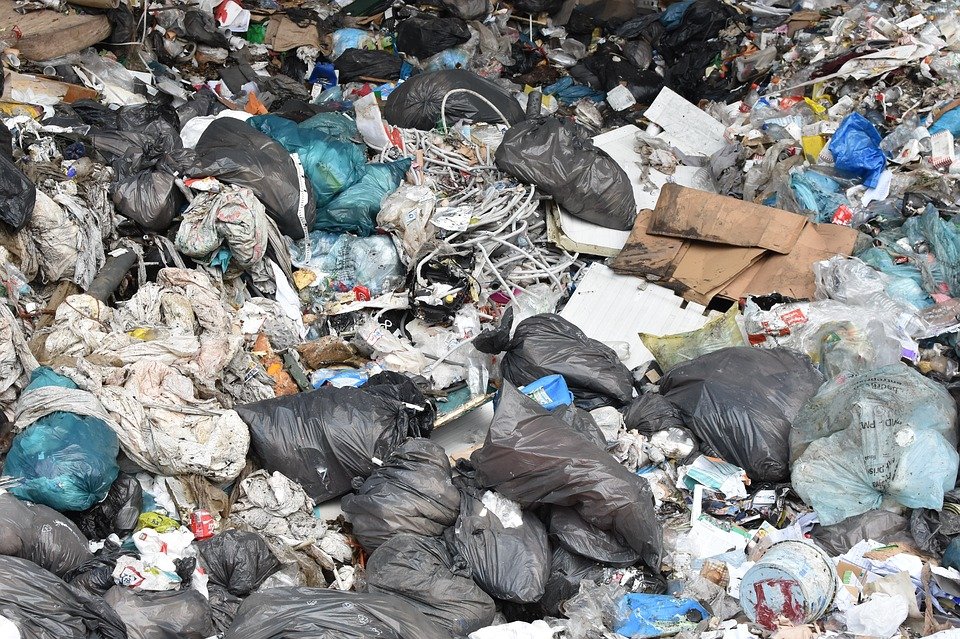
In a significant stride towards mitigating environmental degradation, Sri Lanka is poised to implement a nationwide ban on the free distribution of polythene shopping bags, effective November 1, 2025. This pivotal policy shift, confirmed by the government to the Supreme Court on Wednesday, October 1, 2025, marks a decisive escalation in the island nation’s ongoing battle against pervasive plastic pollution in Sri Lanka. The latest directive mandates that supermarkets and other retail outlets will be required to charge customers for shopping bags from the beginning of next month. This move is anticipated to fundamentally alter consumer habits and significantly reduce the sheer volume of single-use polythene bags that have long plagued Sri Lanka’s natural landscapes and urban environments. The Supreme Court’s Mandate and Environmental Advocacy The government’s commitment to this ban was presented during the hearing of a fundamental rights petition lodged by the Centre for Environmental Justice (CEJ). The CEJ had ardently argued for stronger legislative and enforcement measures to curb plastic use, highlighting the detrimental environmental impact of unchecked polythene distribution. The petitioners had previously raised concerns that authorities had failed to act on an agreement made in March 2024 to impose a levy on shopping bags. Following the government’s assurance that a gazette notification would be issued to effect the ban, the Supreme Court concluded its hearings on the case. This legal intervention underscores the critical role of environmental advocacy groups in holding authorities accountable and pushing for tangible policy changes. The transition from free bags to a mandatory charge represents a practical mechanism to internalize the environmental cost of plastic, thereby discouraging its casual use and encouraging consumers to adopt reusable alternatives. A Legacy of Bans: Sri Lanka’s Persistent Plastic Challenge Sri Lanka has a history of proactive legislative measures aimed at curbing plastic pollution, with various bans introduced over the past two decades. The journey began in January 2007 with a prohibition on polythene less than 20 microns. Subsequent years saw an expansion of these restrictions; in 2017, the scope broadened to include thin polythene bags, and by 2021, items such as sachets, inflatable toys, and plastic-stemmed cotton buds were added to the prohibited list. Most recently, October 2023 witnessed a ban on nine more single-use plastic (SUP) items, including straws, stirrers, cups, plates, and string hopper trays. Despite these commendable regulatory efforts, the effectiveness of previous bans has often been hampered by challenges in implementation and enforcement. Reports indicate that banned plastic items continue to be found in markets due to factors such as the availability of poor-quality alternatives, persistent consumer demand, and insufficient enforcement mechanisms. The Staggering Scale of Plastic Waste The urgency behind these new measures is highlighted by the alarming statistics of plastic waste generation in Sri Lanka. The nation produces over 1.6 million metric tonnes of plastic waste annually, with approximately 70% categorized as single-use plastics. A significant portion of this — an estimated 171,561 tonnes or about 69% of the country’s annual plastic waste remains unmanaged, frequently ending up in landfills, being incinerated, or leaking into vital ecosystems, including the ocean. This unmanaged waste contributes to severe environmental problems, from blocked drains that foster disease vectors like dengue mosquitoes to the degradation of pristine beaches crucial for the tourism industry. Towards a Circular Economy: Beyond Bans Recognizing that bans alone are insufficient, Sri Lanka is also exploring broader strategies to tackle plastic pollution. The country is actively pursuing Extended Producer Responsibility (EPR) initiatives, which aim to hold manufacturers and importers accountable for the entire lifecycle of their plastic products, thereby promoting better design and take-back systems. The Central Environmental Authority (CEA) has announced plans for new laws requiring companies to collect plastic packaging after use, fostering a closed-loop waste management system. The “National Action Plan on Plastic Waste Management 2021–2030” outlines ambitious goals, including an 80% reduction in problematic single-use plastics and an 80% collection and recycling rate of all plastic waste by 2025. Furthermore, global partnerships are contributing to local efforts. In April 2025, the United Nations Development Programme (UNDP) and The Coca-Cola Foundation launched a $1.1 million project to establish a comprehensive plastic waste management framework in seven local authorities within the Colombo District. Awareness campaigns also form a crucial pillar of the strategy. World Environment Day 2025, observed on June 5, saw Sri Lanka launch a “National Environment Week” under the theme “Let’s End Pollution Caused by Plastic,” promoting the “5Rs” (Rethink, Refuse, Reduce, Reuse, and Recycle) among the public. The Road Ahead: Enforcement and Public Participation While the impending ban on free polythene shopping bags from November 1, 2025, marks a critical and timely intervention, its success will heavily depend on robust enforcement and widespread public cooperation. The Ministry of Environment had previously proposed a levy or surcharge on disposable bags in August 2025, recognizing that a floor price alone was insufficient and that charging for bags had proven successful in other nations. The challenge for Sri Lanka now lies in translating policy into consistent practice, overcoming the hurdles of illegal imports and production, and fostering a societal shift towards truly sustainable consumption. This latest measure is not just about banning an item; it’s about reshaping a mindset and demonstrating a stronger national commitment to environmental stewardship. As Sri Lanka steps into this new phase of plastic regulation, the collective effort of the government, businesses, and citizens will be paramount in achieving a cleaner, greener future.
Google Unlocks Advanced AI for Sri Lankan Students: A Digital Transformation Game-Changer

Colombo, Sri Lanka – In a groundbreaking announcement that promises to redefine the landscape of digital education in Sri Lanka, Google has committed to providing free access to its advanced Artificial Intelligence (AI) tools, including the powerful Gemini platform, for students across the island. Revealed just yesterday, on September 29, 2025, at the inaugural National AI Expo and Conference 2025 in Colombo, this initiative marks a monumental leap forward for Sri Lanka’s technological future. Historic Partnership to Democratise AI Access The landmark partnership was unveiled by Eng. Eranga Weeraratne, the Deputy Minister of Digital Economy, who hailed it as a “game-changer” for the nation. After months of dedicated collaboration between the Ministry of Digital Economy and Google, the agreement ensures that every Sri Lankan student will soon gain free access to world-class AI tools, cloud computing platforms, and digital learning resources. This unprecedented move is designed to level the playing field, putting Sri Lankan students on par with their global counterparts and fostering a generation ready to thrive in the AI-driven world. Empowering the Next Generation with Gemini Advanced Central to this initiative is the free provision of Google’s advanced AI platform, Gemini, which includes its premium features and other student benefits. While the specific rollout details are expected from mid-October, this encompasses tools like Gemini Advanced (or Gemini 2.5 Pro), a versatile AI assistant capable of aiding with complex assignments, research, and creative tasks. Students can expect functionalities such as enhanced research capabilities, personalized study guides, and assistance in writing and brainstorming. The broader Google AI Pro plan, which appears to align with this offer, typically includes expanded access to Gemini 2.5 Pro for unlimited chats and image uploads, Deep Research for comprehensive reports, NotebookLM as a thinking companion, and a generous 2 TB of cloud storage for academic projects and personal files. These resources are poised to dramatically enhance learning, problem-solving, and innovation across various disciplines. Beyond Usage: The Call for Mastery and Ethical Responsibility Deputy Minister Weeraratne emphasized that the goal extends far beyond merely using AI; it is about nurturing mastery among the next generation. “We don’t just need to use AI. We want every single one of you to master it,” he stated to a packed audience. He also underscored the critical importance of ethical responsibility that accompanies such powerful access, urging students to wield these tools wisely, ethically, and for the greater good of Sri Lanka and the world. This ethical framework is crucial as students delve into sophisticated AI capabilities, ensuring they understand the implications and apply these technologies constructively for building, innovating, and solving contemporary challenges. Catalysing Sri Lanka’s Digital Economy and AI-Ready Workforce This initiative is a cornerstone of the Sri Lankan government’s broader vision to accelerate the creation of a smarter, more prosperous, and inclusive digital economy. By integrating AI and data literacy into the national curriculum and launching upskilling programs, the nation aims to build a truly AI-ready workforce. The Deputy Minister further outlined Sri Lanka’s comprehensive AI strategy, which rests on four pillars: building an AI-ready workforce, nurturing startups with incubators and state-backed funding, ensuring inclusivity for all citizens, and safeguarding digital trust through robust cybersecurity frameworks. Complementing this, the announcement also included plans for a national AI Fund of Funds, set to launch in January 2026, aimed at fostering startups, innovation, and local research. Furthermore, the establishment of a sophisticated National Cyber Security Operations Centre, designed to leverage AI for enhanced defenses, highlights the government’s commitment to securing the digital landscape. A Vision for a Smarter Future Positioning AI as the “new electricity,” Weeraratne articulated how it could transform vital sectors such as healthcare, farming, tourism, and education in Sri Lanka. Imagining doctors in rural clinics gaining instant AI-driven second opinions, farmers receiving predictive data, and tourists experiencing personalized services through AI recommendations, he painted a vivid picture of a future empowered by artificial intelligence. The free access to Google AI tools for Sri Lankan students is more than just a technological handout; it is an investment in human capital and a testament to the nation’s commitment to embracing the digital revolution. This strategic move is expected to significantly boost Sri Lanka’s national capacity in AI development and digital literacy, empowering the next generation to innovate, solve complex challenges, and compete effectively on a global scale.
Oldest Living Man in Sri Lanka: The Recognition of Bolland Hakuru Meniyel

In a heartwarming and significant development for the island nation, Sri Lanka has officially recognized Bolland Hakuru Meniyel as its oldest living man (The oldest living man in Sri Lanka). The momentous announcement, coming from the National Secretariat for Elders, confirms Meniyel, a venerable resident of Karandeniya in the Galle District, to be an astounding 110 years old. This long-awaited recognition brings to light a life rich in history, resilience, and the simple virtues often attributed to exceptional longevity. The news, breaking over the last 24-48 hours, has resonated across Sri Lanka, turning the spotlight on a national treasure. A Century of Life: The Remarkable Journey of Bolland Hakuru Meniyel, The Oldest Living Man in Sri Lanka Born on June 4, 1915, Bolland Hakuru Meniyel’s life spans over a century of profound changes in Sri Lanka and the world. His old national identity card served as the pivotal document in verifying his advanced age, leading to this official declaration. Meniyel, a dedicated farmer by profession, has spent his entire life immersed in the agricultural traditions of his homeland, particularly focusing on cinnamon cultivation and contributing actively to his village community. This deep connection to the land and a life of industrious labor are often cited by his family and local residents as key contributors to his remarkable health and enduring spirit. Despite his extraordinary age, Meniyel continues to exhibit impressive faculties. Reports indicate that he remains in good health, possessing the ability to read and write, having received education up to Grade 5. His family fondly attributes his prolonged and healthy existence to a regimen of simple living and a diet notably free of toxins. Beyond his agricultural pursuits, Meniyel was renowned locally for his devout participation in religious activities, attending village pirith ceremonies steadfastly until he reached the age of 75. He is a proud father of nine children, and today, he continues to be surrounded by and enjoy the immense affection of his extensive family, including numerous grandchildren and great-grandchildren. Official Acknowledgment and Community Pride The formal recognition of Bolland Hakuru Meniyel by the National Secretariat for Elders underscores the nation’s respect for its elderly population and the historical significance embodied by centenarians. As part of this recognition, the Galle District Secretary, W.A. Dharmasiri, recently made a special visit to Meniyel’s residence. During this visit, gifts were presented, and inquiries were made regarding his well-being, symbolizing the official and community-wide acknowledgment of his status. Such gestures not only honor the individual but also highlight the cultural value placed on wisdom and longevity within Sri Lankan society. Meniyel is also a recipient of the government’s Centenarian Allowance, further demonstrating institutional support for the nation’s longest-living citizens. His recognition extends beyond a mere title; it cements his place as a proud symbol of Galle’s rich heritage, a living testament to over a century of memories and traditions that he carries. The community of Karandeniya, and indeed the entire Galle District, expresses immense pride in their oldest resident, whose life story serves as an inspiration and a source of collective identity. His enduring presence bridges generations, offering a tangible link to the past and lessons in resilience for the future. Insights into Longevity: Sri Lanka’s Centenarian Landscape While Bolland Hakuru Meniyel’s recent recognition is a singular event, Sri Lanka, like many nations, is grappling with an increasingly aging population. Studies indicate a significant demographic shift, with projections suggesting that by 2041, nearly one in four Sri Lankans will be aged 60 or above. This demographic trend, considered one of the fastest aging populations globally, highlights the importance of understanding factors contributing to exceptional longevity. In 2017, a study by the National Secretariat for Elders revealed that there were 258 individuals over 100 years old living in Sri Lanka, though this figure is now several years old. Globally, the number of centenarians has been steadily increasing, quadrupling between 2000 and 2020. Meniyel’s reported lifestyle—rooted in agriculture, a toxin-free diet, and active community and religious engagement—aligns with many anecdotal and some scientific observations about centenarians worldwide. The emphasis on a simple life, close family ties, and sustained physical activity often appears in the narratives of those who live to such advanced ages. His story provides valuable, real-world insight into what fosters long-term well-being and a fulfilling life in the Sri Lankan context. Celebrating a National Treasure and Inspiring Future Generations The official recognition of Bolland Hakuru Meniyel is more than just an administrative formality; it is a celebration of life, heritage, and the enduring human spirit. It serves as a powerful narrative, inspiring younger generations to appreciate the wisdom of their elders and to consider the elements that contribute to a long, healthy, and meaningful existence. In a world increasingly focused on the future, figures like Meniyel remind us of the invaluable connection to our past and the strength found in traditional ways of life. His story, now brought to national attention, will undoubtedly become a source of national pride and an emblem of Sri Lankan resilience. As the nation continues to evolve, the recognition of individuals like Bolland Hakuru Meniyel ensures that the legacies of those who have lived through so much are not only acknowledged but cherished, offering lessons and inspiration for generations to come.
Sri Lanka’s New Vithanakande Factory Brews History with World Record for Most Expensive Ceylon Black Tea
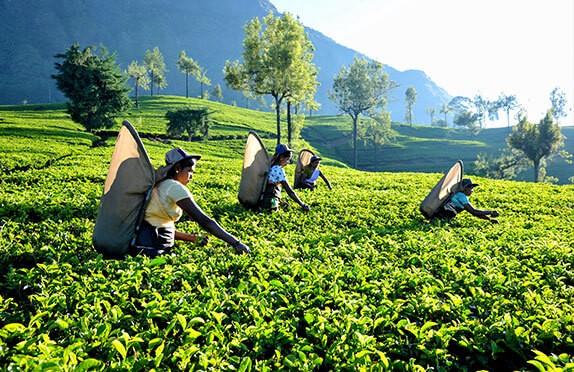
In a momentous triumph for Sri Lanka’s renowned tea industry, the New Vithanakande Tea Factory has etched its name into the annals of history by achieving a Guinness World Record for the most expensive tea ever sold. This extraordinary accomplishment, making headlines in the last 24-48 hours, shines an unprecedented spotlight on the unmatched quality and artisanal craftsmanship of Ceylon Black Tea. The record-breaking transaction saw a kilogram of their premium Ceylon Black Tea (FFExSp) fetch an astounding JPY 125,000 in Japan, equivalent to approximately Rs. 252,500 or USD 860, solidifying Sri Lanka’s position at the pinnacle of the global luxury tea market. Ceylon Black Tea – The Record-Breaking Brew: A Testament to Excellence The tea that secured this prestigious world record is a meticulously crafted FFExSp grade Ceylon Black Tea from the New Vithanakande Tea Factory. The sale took place in Japan, a market globally recognized for its appreciation of high-quality teas and discerning palates. This achievement is not merely about a high price; it is a profound validation of the unique terroir, the skilled hands, and the meticulous processes that define Ceylon Tea production. Pubudu Gunasekera, CEO of New Vithanakande Tea Factory, eloquently stated, “This is not just a win for New Vithanakande, but a global spotlight on the unmatched quality, heritage, and craftsmanship of Ceylon Tea.” This sentiment resonates deeply within Sri Lanka, marking a significant moment of national pride. While Sri Lanka has previously held tea-related world records, such as the largest cup of tea in 2010, this marks the first time the nation has been officially recognized for producing the world’s most expensive tea. The New Vithanakande Tea Factory, nestled in the Ratnapura district of Sri Lanka’s central highlands, has a well-established reputation for consistently commanding top prices at auctions, particularly for its OP1 grade teas. This latest feat, however, is being hailed as a new milestone, elevating the brand of Ceylon Tea to an unparalleled international level. Elevating Ceylon Tea’s Global Prestige This Guinness World Record serves as a powerful testament to Ceylon Tea’s premium identity and heritage. It underscores the global demand for exceptionally high-quality Ceylon tea and significantly bolsters Sri Lanka’s image in the competitive luxury tea sector. The island’s diverse topography and distinct climates across its seven tea-growing regions contribute to a wide array of unique flavor profiles, making Ceylon Tea highly sought after by connoisseurs worldwide. Industry officials emphasize that such achievements highlight the inherent value and artisanal effort embedded in every leaf of Ceylon Tea. The process, from hand-picking at peak freshness to careful processing, ensures that each cup delivers a vibrant, pure, and unmatched experience. This commitment to quality has allowed Sri Lanka to brand “Ceylon Tea” as a premium global product, maintained through stringent quality controls and strategic marketing. Ceylon Black Tea – A Legacy of Excellence and Innovation The success of New Vithanakande Tea Factory is a microcosm of Sri Lanka’s broader dedication to tea excellence. The factory’s operations are supported by approximately 600 small family-owned gardens, highlighting the integral role of smallholders in the Sri Lankan tea industry. These dedicated farmers are the backbone, supplying the high-quality green tea leaves that enable factories like New Vithanakande to produce world-class teas. The factory also holds an Ethical Trade Partnership (ETP) Certification, ensuring ethical practices throughout its supply chain. Sri Lanka’s tea industry, with a history dating back to the 19th century, has consistently focused on purity and quality, prohibiting the importation of teas that can be produced on the island to maintain the integrity of Ceylon Tea. This steadfast commitment, combined with continuous innovation in production and ethical sourcing, reinforces why Ceylon Tea remains a benchmark for quality globally. Beyond the Record: Navigating Challenges and Future Outlook While the world record is a cause for immense celebration, the Sri Lankan tea industry also faces ongoing challenges. Recent customs data from Asia Siyaka Research indicates a robust export performance in the first eight months of 2025, with tea exports rising by 7 percent compared to the previous year, and dollar earnings reaching their highest since 2014. There’s also a noticeable shift towards value-added products, with packeted tea now accounting for 45 percent of shipments. However, beneath this success, structural weaknesses and policy uncertainties persist. Producers grapple with soaring costs, including a government-mandated wage hike for estate workers. Additionally, the impending abolition of Simplified VAT (SVAT) from October 1st has raised concerns among the Tea Exporters Association (TEA) about potential cash flow issues and a possible drop in tea prices. The TEA estimates that the 18% VAT payment could amount to Rs. 4 billion per month, potentially impacting auction prices and the income of over 480,000 smallholder farmers. Despite these challenges, the recent world record serves as a potent reminder of Ceylon Tea’s inherent value and potential. It provides a morale boost and a strong branding advantage that can help the industry navigate economic headwinds and reinforce its global standing. The future success of Ceylon Tea will depend on sustained investment in technology, careful balancing of economic pressures, and a continued focus on its unmatched quality and unique identity. The New Vithanakande Tea Factory’s achievement is more than just a sales record; it’s a powerful narrative of quality, heritage, and the enduring spirit of the Sri Lankan tea industry. It reinforces the fact that Ceylon Black Tea is not just a beverage, but a luxury commodity prized for its purity, craftsmanship, and unparalleled taste across the globe.
Ceylon Tea Exports Brew Optimism with Notable August Surge

COLOMBO, Sri Lanka – The iconic Ceylon Tea industry is currently experiencing a refreshing uplift, with recent data revealing a heartening surge in exports. Figures released within the last 24-48 hours indicate a solid performance in August 2025, alongside impressive cumulative growth for the first eight months of the year. This upward trajectory, driven by strategic shifts towards value-added products and robust demand from key international markets, signals a resilient future for Sri Lanka’s prized commodity, even as lingering challenges persist on the horizon. August 2025: A Strong Showing for Ceylon Tea Sri Lanka’s tea exports witnessed a significant uptick in August 2025, with volumes reaching 23.70 million kilogrammes. This marks a commendable improvement of 1.61 million kilogrammes compared to August 2024, showcasing the industry’s renewed vigour. The growth wasn’t just in volume; export earnings from tea in August 2025 soared by 8.73% year-on-year, accumulating an impressive US$ 141.94 million. This robust performance translated to a 7.29% increase in export volume for August 2025 compared to the previous year. These latest statistics, hot off the press, underscore a broad-based recovery across various tea categories, with the exception of green tea, which experienced a slight dip. The average Free On Board (FOB) price per kilogramme also saw a positive movement, averaging Rs.1,805.35 in August 2025, an increase of Rs.28.69 year-on-year. In more stable US dollar terms, this represented a modest but noteworthy gain of US$ 0.08. Ceylon Tea exports – Cumulative Performance: A Four-Year High Looking at the broader picture, the cumulative export figures for the first eight months of 2025 paint an even more encouraging scenario. Total tea exports from January to August 2025 climbed to 174.55 million kilogrammes, reflecting a substantial 12 million kilogramme increase over the corresponding period in 2024. This strong cumulative performance has propelled Sri Lanka’s tea export earnings to its highest level since 2014, reaching an impressive US$ 1.2 billion (or Rs. 306 billion) for the eight-month period. Remarkably, the US dollar earnings for this period are the highest recorded since 2014, when the country shipped a much larger quantity of 214 million kilogrammes. The average FOB value per kilogramme for the first eight months of 2025 further solidified this positive trend, rising to $5.88, up from $5.80 in 2024. This improvement in FOB value is a crucial indicator of the enhanced global demand and premium positioning of Ceylon Tea. The Strategic Shift Towards Value-Added Products A significant driver behind this commendable export performance is Sri Lanka’s strategic pivot towards value-added tea products. Latest reports confirm that value-added exports now constitute a substantial 58% of total shipments for the January-August 2025 period, a notable rise from 53% in the previous year. This shift is particularly evident in the strong gains recorded by Tea Bags and Instant Tea categories. While bulk tea shipments experienced a decline, the growth in higher-margin products like tea packets (up 17.1% in dollar terms for Jan-Aug 2025) is enhancing overall export earnings and strengthening the industry’s resilience. Key Markets Driving Demand International demand continues to be robust, with several key markets leading the charge. For the January-August 2025 period, Iraq maintained its position as the largest buyer of Ceylon Tea, importing 26 million kilogrammes, a 23% increase from last year. Libya demonstrated an exceptional rebound, securing third place with 14.39 million kilogrammes, marking a massive 198% surge. Russia followed with 14.77 million kilogrammes, despite a year-on-year decline of 11% in volumes. Monthly data for August 2025 highlighted significant increases in tea exports to several nations, including the UAE (up 25.57%), Turkey (up 22.82%), Russia (up 19.3%), and Iran (up an impressive 52.73%). Navigating Challenges and Future Outlook Despite the current wave of optimism, the Ceylon Tea industry is not without its challenges. Issues such as fluctuating production levels, primarily due to unpredictable weather patterns, and the impact of currency appreciation on farmer earnings remain key concerns. Furthermore, structural problems, including inconsistent government policies on fertiliser imports, taxation, and energy costs, continue to affect plantation operations. Labour shortages and the need for enhanced productivity in some cultivation areas are also ongoing discussions within the sector. However, the industry is proactively addressing these hurdles. The emphasis on strengthening the smallholder tea grower sector, which contributes significantly to overall production, is a testament to this commitment. Initiatives focused on quality enhancement, sustainable practices, and market diversification are critical strategies to maintain competitiveness in the global tea market. The impressive rebound in export volumes and values, particularly in value-added segments and key markets, suggests that Ceylon Tea is well-positioned to build on this momentum, continuing its legacy as one of the world’s most cherished and high-quality beverages. The recent surge is not merely a slight increase; it’s a testament to the resilience and strategic adaptability of Sri Lanka’s tea industry.
Sri Lanka’s Third Nano-Satellite, BIRDS-X DRAGONFLY, Poised for Historic Orbital Deployment Today

Colombo, Sri Lanka – September 19, 2025 – Sri Lanka is on the cusp of a groundbreaking moment in its burgeoning space exploration journey, as its third nano-satellite, named BIRDS-X DRAGONFLY, is scheduled for orbital deployment from the International Space Station (ISS) today, September 19, 2025, at 2:15 p.m. Sri Lanka time. This pivotal event, widely reported in the last 24-48 hours, marks a significant stride forward for the island nation’s advancements in space technology and international scientific collaboration. The highly anticipated release of BIRDS-X DRAGONFLY from the ISS underscores Sri Lanka’s commitment to nurturing homegrown talent and participating actively in the global space community. News outlets across the country have highlighted the imminent launch, emphasizing its importance as a testament to the nation’s growing capabilities. A Legacy of Innovation: Building on Previous Successes BIRDS-X DRAGONFLY follows in the successful footsteps of Sri Lanka’s pioneering nano-satellites. The country first entered the space arena with the launch of RAAVANA-1 in 2019, a landmark achievement that captured national pride. This was followed by the KITSUNE satellite in 2022, developed through international partnerships. These earlier missions laid the groundwork for the advanced capabilities embodied in the BIRDS-X DRAGONFLY. The continuous progression from RAAVANA-1 to KITSUNE, and now to DRAGONFLY, illustrates a methodical and ambitious approach to space technology development, demonstrating Sri Lanka’s sustained dedication to becoming a recognized player in aerospace innovation. The Genesis of DRAGONFLY: A Collaborative Masterpiece A remarkable aspect of the BIRDS-X DRAGONFLY project is that it incurred no capital cost to the Sri Lankan government, a detail that has been widely praised across recent news reports. The initiative was spearheaded by Engineer (Dr.) Sanath Panawanne, the former Director General of the Arthur C. Clarke Institute for Modern Technologies (ACCIMT) and a visionary founder of the Sri Lankan Space Technology Development Program. This groundbreaking endeavor is a shining example of international cooperation, benefiting from the robust support of prominent global entities. Key collaborators include the Japan Aerospace Exploration Agency (JAXA), the Amateur Radio Digital Communications (ARDC) agency, and Japan’s esteemed Kyushu Institute of Technology (Kyutech). Such partnerships are crucial for non-spacefaring nations to access and contribute to cutting-edge space research and technology. The Minds Behind the Mission: Sri Lankan Engineering Prowess The success of the BIRDS-X DRAGONFLY project is a direct result of the dedication and expertise of a brilliant team of Sri Lankan engineers and scientists. This collaborative group, working under the guidance of ACCIMT, has been instrumental in the design, development, and preparation of the nano-satellite. The core engineering team comprises Engineer Kamani Ediriweera, Engineer Kavindra Jayawardena, Engineer Kaveendra Sampath, Engineer Uditha Gayan, Research Scientist Thilina Wijebandara, and notably, Engineer Tharindu Dayarathna. Engineer Tharindu Dayarathna, a key member of the team, is credited with developing a new low-cost communication subsystem for nanosatellites, a technology that BIRDS-X DRAGONFLY will be testing in orbit. This innovation has the potential to make satellite technology more accessible and cost-effective for future missions globally. DRAGONFLY’s Ambitious Scientific Objectives The BIRDS-X DRAGONFLY nano-satellite is designed to undertake several critical space research missions, propelling Sri Lanka’s scientific understanding and technological capabilities. Its primary objectives include: The Future of Sri Lanka’s Space Aspirations The deployment of BIRDS-X DRAGONFLY from the ISS represents more than just a technological achievement; it symbolizes Sri Lanka’s soaring ambitions in space. The Arthur C. Clarke Institute for Modern Technologies (ACCIMT) in Moratuwa, a key institution in this journey, will be broadcasting the orbital release live, allowing the nation to witness this historic moment. This mission is a testament to the nation’s strategic vision for leveraging space technology for scientific research, educational enrichment, and ultimately, for the benefit of its people. As Sri Lanka continues to expand its footprint in the cosmos, projects like BIRDS-X DRAGONFLY pave the way for a future where space exploration plays an increasingly vital role in national development and global scientific collaboration. The ongoing commitment to building indigenous space capabilities, coupled with strong international partnerships, positions Sri Lanka as a rapidly emerging force in the exciting realm of space technology. The successful deployment of DRAGONFLY today will undoubtedly ignite further interest and investment in the country’s space program, inspiring a new generation of scientists and engineers to reach for the stars.
Gender Inclusion in Public Transport: Sri Lanka’s Latest Strides Towards Safer and More Equitable Journeys

Colombo, Sri Lanka Public transportation board of Sri Lanka – In an increasingly interconnected world, public transport serves as the lifeblood of urban and rural economies, connecting people to opportunities, education, and essential services. Yet, for a significant portion of the population, particularly women and girls, the journey itself can be fraught with challenges related to safety and inclusion. In Sri Lanka, dedicated efforts are underway to transform the public transport landscape into a more gender-sensitive and secure environment. While specific breaking news from the last 24-48 hours on this niche topic remains nascent, recent governmental and inter-agency initiatives in mid-2025 highlight a clear and sustained commitment to advancing gender inclusion. The conversation around gender inclusion in Sri Lankan public transport gained significant momentum with a series of pivotal announcements and campaign launches earlier this year. These developments underscore a growing recognition that ensuring safe and equitable access to transport is not merely a social issue but a critical driver of national development and women’s economic empowerment. National Campaign Against Sexual Harassment Takes Center Stage A landmark development in Sri Lanka’s pursuit of gender-inclusive public transport was the launch of a national campaign to address sexual harassment in public transport and public spaces. Officially initiated on July 23, 2025, this comprehensive campaign is a collaborative effort between the Government of Sri Lanka, specifically the Ministry of Women and Child Affairs and the Ministry of Transport, Highways, Ports and Civil Aviation, alongside the United Nations Population Fund (UNFPA) and funded by the Government of Japan. The campaign emerged from a stark reality: a national study by UNFPA in 2015 revealed that a staggering 90% of women and girls in Sri Lanka have experienced sexual harassment on public transport at least once in their lives. Despite this pervasive issue, only about 4-5% of incidents are reported to the police, highlighting a significant reporting gap and a normalization of harassment. This “silent epidemic,” as described by UNFPA Representative Kunle Adeniyi, deeply damages lives, restricts freedom of movement, and undermines women’s access to education, livelihoods, and public life. Minister of Transport, Highways, Ports and Civil Aviation, Bimal Rathnayake, emphasized the government’s commitment, stating that “safety is not a luxury, but a right” and affirming that “sexual harassment has no place in our buses, trains, or stations”. Minister of Women and Child Affairs, Saroja Savithri Paulraj, further articulated that gender-based violence in public spaces is a human rights issue, directly impacting women’s ability to participate fully in society. Key Initiatives and Measures The national campaign is multifaceted, focusing on prevention, reporting, and cultural shifts. Key initiatives include: Paving the Way: Women in the Public Transport Workforce Beyond safety, gender inclusion also encompasses equitable employment opportunities. In a significant policy shift announced in March 2025, Minister Bimal Rathnayake confirmed a decision to recruit women into the Sri Lanka Transport Board (SLTB) and railway service. This groundbreaking move, coinciding with International Women’s Day, aims to integrate women into traditionally male-dominated roles such as bus drivers, train pilots, and guards. Minister Rathnayake even expressed a personal vision for female drivers to operate school buses in the future, signaling a proactive approach to expanding career opportunities for women and fostering a more inclusive workforce. This initiative not only promotes gender equality but also aims to enhance the perception of safety and professionalism within the transport sector. A Broader Vision for Gender Equality These efforts in public transport are part of a larger national commitment to gender equality. In March 2025, Prime Minister Harini Amarasuriya highlighted that while Sri Lanka boasts a high literacy rate and a significant female presence in universities, only 35% of women participate in the paid workforce, underscoring the need for structural and attitudinal changes. Her remarks came during the launch of ‘THRIVE – Together for Her: Resilience-building, Inclusivity, and Voices for Equality in Sri Lanka’, a five-year initiative by UN Women and Chrysalis, funded by the Government of Australia, aimed at strengthening the economic and social resilience of marginalized women. The current President’s manifesto from September 2024 also included promises to revise laws and procedures to guarantee protection from gender-based violence and harassment in public transport, among other spaces, further cementing a top-down commitment to these issues. The Path Forward: Sustained Commitment and Collective Action The journey towards full gender inclusion in public transport in Sri Lanka is ongoing. While challenges like overcrowding, lack of bystander intervention, and fear of retaliation persist, the recent initiatives demonstrate a determined push from various stakeholders. The integration of technology, comprehensive training, and robust awareness campaigns, coupled with policy decisions to diversify the workforce, signal a promising future. By prioritizing the safety, dignity, and equal participation of women and girls, Sri Lanka is not only enhancing its public transport system but also fostering a more equitable and prosperous society for all.
Sri Lanka’s Infrastructure Renaissance: A Wave of Resumptions and New Beginnings
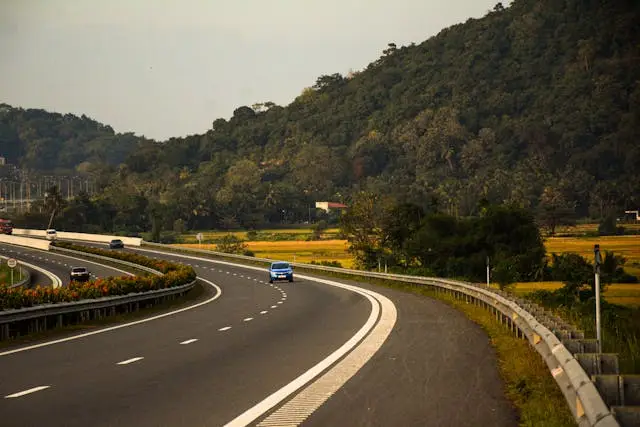
Photo by Dinujaya Munasinghe: https://www.pexels.com/photo/scenic-highway-through-lush-greenery-at-daytime-30737735/ Colombo, Sri Lanka – September 17, 2025 – In a resounding testament to its economic recovery and renewed developmental vigor, Sri Lanka is witnessing an unprecedented surge in infrastructure project resumptions and new commencements. The past 24-48 hours have brought forth a flurry of critical updates, painting a vibrant picture of progress across the nation. From vital expressway links to ambitious renewable energy ventures and urban modernization drives, the island nation is firmly on a trajectory of growth, attracting significant foreign investment and setting new benchmarks for sustainable development. Central Expressway Re-energized: A Crucial Link Resumes Construction A highlight of the latest developments is the official resumption of construction on the Kadawatha-Meerigama section of the Central Expressway. This crucial 37-kilometer stretch, designed to enhance connectivity between Colombo and Kandy, recommenced work today, September 17, 2025, under the patronage of President Anura Kumara Dissanayake. The project, which had been suspended in mid-2022 due to the severe economic crisis, is being revitalized by a Yuan-denominated loan equivalent to USD 500 million from the Export-Import Bank of China, marking China’s first significant funding since Sri Lanka’s foreign debt default three years ago. This pivotal section is now targeted for completion by mid-2028, promising to ease traffic congestion and significantly boost economic activity between these major urban centers. Powering the Future: Largest Solar Park Begins Construction In a bold stride towards energy independence and sustainability, Sri Lanka inaugurated the construction of its largest renewable energy project, the Rividanavi Solar Power Park, on September 6, 2025. Located in Kotiyagala, Monaragala, this 100-megawatt solar facility, with an investment of USD 140 million, is a cornerstone of the nation’s ambitious goal to source 70% of its electricity needs from renewable energy by 2030. Expected to be completed in the first quarter of 2027, the Rividanavi project will inject 219 GWh annually into the national grid, translating into substantial foreign exchange savings from reduced diesel imports and a significant reduction in carbon emissions. Refining Ambitions: Sinopec Project Gears Up Further strengthening its energy infrastructure, Sri Lanka anticipates the Chinese energy giant Sinopec to begin construction on a USD 3.7 billion oil refinery near the Hambantota port this year. This massive project, approved in 2023, is designed to process 200,000 barrels of crude oil per day. While negotiations continue regarding Sinopec’s request for expanded access to the domestic fuel market – with officials considering an increase from 20% to 40% of refinery output for local sale – the government remains committed to its commencement. This development underscores Sri Lanka’s strategic geopolitical importance and its drive to enhance energy security. Modernizing Urban Mobility: Transport Hubs Undergo Transformation The vision for a “Clean Sri Lanka” is taking tangible form with the recent launch of significant urban transport modernization projects. On September 15, 2025, the government initiated the full redevelopment of the Colombo Central Bus Terminal (a Rs. 425 million investment slated for completion by April 2026) and the comprehensive renovation of the historic Maradana Railway Station. These initiatives are part of a broader plan to upgrade 100 railway stations countrywide through Public-Private Partnerships (PPPs) and establish 50 multimodal transport centers by 2029, with 15 expected in Colombo next year, aiming to significantly improve public transport efficiency and connectivity. Concurrently, the Road Development Authority (RDA) has commenced a systematic modernization of the country’s vast 119,000-kilometer road network, allocating Rs. 14 billion this year for rural road improvements under the ‘Punarudayata Maga’ program. Colombo Port City: A Hub of Accelerating Investment The iconic Port City Colombo continues to emerge as a powerhouse of foreign investment. President Dissanayake recently revealed that four projects totaling US$1.4 billion have already received approval within the Port City, with another major US$1.2 billion project nearing final approval, expected during an upcoming visit to Japan. This influx of capital highlights growing investor confidence in Sri Lanka’s revitalized economy. Furthermore, the Adani-led Colombo West International Terminal, a crucial component of the Port City’s logistical capabilities, is reportedly on track to double its capacity months ahead of its February 2027 deadline, with the final phase anticipated by late 2026. Addressing Urban Challenges: Colombo’s Traffic Solution Recognizing the impending pressure from these burgeoning developments, the Cabinet, on September 16, 2025, approved a detailed feasibility study to tackle increasing traffic congestion at Colombo’s critical Lotus Roundabout. This proactive measure aims to formulate a sustainable solution for improving connectivity with major transport corridors and minimizing bottlenecks, especially as the Port City and Port Access Road near completion. A Testament to Resilient Recovery These recent announcements and resumptions signal a pivotal moment for Sri Lanka. Following years of economic hardship, the nation is demonstrating a remarkable ability to attract vital foreign investment and drive forward long-stalled projects. The support from international partners, including a crucial USD 500 million loan from China Exim Bank for the Central Expressway and continued engagement for Port City projects with Japan, underscores renewed confidence in the country’s economic stability and future potential. President Dissanayake emphasized that 2025 marks a “historic turning point” for Sri Lanka, with the government determined to halve the typical “lost decade” that often follows an economic crisis. With sustained economic growth approaching 5% and foreign reserves targeted to reach US$7 billion by year-end, these infrastructure projects are not just constructions; they are cornerstones of Sri Lanka’s ambitious journey toward a thriving and resilient future.
SriLankan Airlines Forges Landmark Alliance with Axis Bank to Electrify Indian Tourism
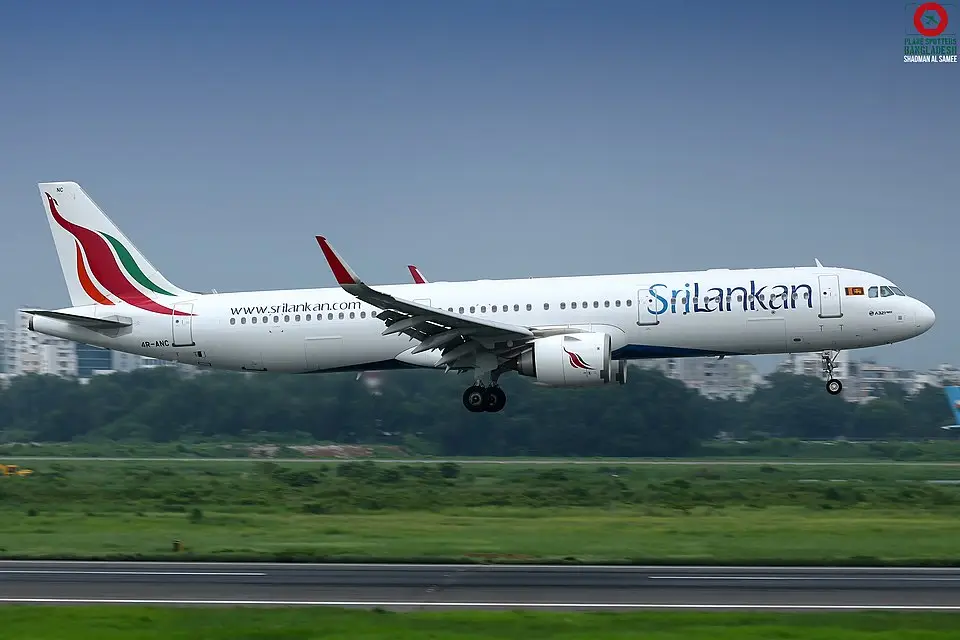
By Shadman Samee from Dhaka, Bangladesh – 4R-ANC SriLankan Airlines Airbus A321-251N., CC BY-SA 2.0, https://commons.wikimedia.org/w/index.php?curid=75507184 Colombo, Sri Lanka – September 16, 2025 – In a significant move poised to redefine outbound travel from India, SriLankan Airlines, the national carrier of Sri Lanka, has announced a pioneering strategic partnership with Axis Bank, one of India’s largest private sector banks. This groundbreaking collaboration, unveiled over the past 48 hours, is designed to offer a suite of exclusive travel benefits to Axis Bank’s extensive 15-million customer base, dramatically boosting Indian tourism to the island nation and beyond. The alliance underscores SriLankan Airlines’ unwavering commitment to the Indian market, solidifying its position as a preferred international carrier for Indian travelers. Unlocking Unprecedented Travel Value for Indian Consumers The core of this strategic tie-up is to provide unparalleled value and seamless travel experiences. Under the initial phase of the partnership, Axis Bank credit and debit cardholders are now eligible for an exclusive 10% discount on both Business Class and Economy Class fares when booking directly through the SriLankan Airlines website. This attractive discount applies to all SriLankan Airlines flights originating from India, with destinations including Colombo, Sri Lanka, and onward connections via Colombo to a vast network spanning the Far East, Middle East, Maldives, and prominent European cities such as Frankfurt and Paris. Furthermore, travelers embarking on journeys to Melbourne will benefit from an additional five kilograms of checked baggage allowance, providing extra convenience and value for those longer international trips. The booking window for these exclusive offers is valid until November 20, 2025, with an extended travel period from June 16, 2025, through March 31, 2026, giving Indian travelers ample flexibility to plan their escapes. A First-of-Its-Kind Partnership and Strategic Imperative Commenting on this landmark development, Fawzan Fareid, SriLankan Airlines Regional Manager for India, Bangladesh, and Nepal, expressed immense enthusiasm. “We are truly excited to partner with Axis Bank and about what this means for our shared customers, who have some fantastic benefits coming their way,” Fareid stated. He highlighted the unique nature of the agreement, noting, “This partnership is also remarkable as it marks the first time ever that SriLankan Airlines has collaborated with a private Indian bank.” Arnika Dixit, President & Head of Cards, Payments and Wealth Management at Axis Bank, echoed this sentiment, emphasizing the bank’s dedication to enhancing customer lifestyles and journeys. “Our association with SriLankan Airlines further strengthens our value proposition for customers seeking memorable and rewarding travel experiences,” Dixit remarked. SriLankan Airlines CEO Richard Nuttall underscored the broader vision, stating, “This alliance is about more than savings—it’s about changing the way Indians travel.” This collaboration is a testament to SriLankan Airlines’ strategic focus on India as a cornerstone market. The airline currently operates a robust schedule of 88 weekly flights connecting nine Indian cities to Colombo, demonstrating a significant commitment to strengthening bilateral tourism and trade ties. Elevating Sri Lanka as the Premier Destination for Indian Travelers The timing of this partnership is particularly opportune as India continues to be Sri Lanka’s largest source market for tourism, contributing over 19% of total arrivals so far in 2025, with more than 290,000 Indian tourists visiting the island between January and mid-September this year. The airline’s proactive initiatives, such as this alliance with Axis Bank, are crucial in fostering deeper connections with Indian travelers and enhancing the overall inbound tourism figures for Sri Lanka. By offering seamless and affordable travel experiences, SriLankan Airlines aims to encourage more Indians to explore the diverse attractions of the island, from its pristine beaches and lush nature adventures to its rich cultural heritage and renowned hospitality. Beyond promoting direct travel to Sri Lanka, the partnership also strategically positions Colombo as a vital hub for Indian travelers connecting to SriLankan Airlines’ extensive global network. This includes popular destinations in the Far East, Australia, the Middle East, and Europe, effectively enhancing the airline’s appeal as a gateway for international travel from India. A Future-Focused Approach to Connectivity and Customer Experience This alliance is not an isolated event but rather a continuation of SriLankan Airlines’ broader strategy to enhance its footprint in the Indian aviation market. The airline has consistently demonstrated its commitment, with recent reports indicating plans for network expansion within India, increasing flight frequencies to existing destinations, and even exploring new cities like Ahmedabad. The airline aims to offer convenience for “dual-destination holidays,” combining Sri Lanka or the Maldives with Southeast Asia, a unique proposition for Indian passengers. Furthermore, SriLankan Airlines has been proactive in promoting Sri Lanka’s cultural and religious tourism, notably through initiatives like the “Ramayana Trail Project.” An advertisement highlighting sites related to the Hindu epic has resonated strongly with Indian audiences, showcasing Sri Lanka’s rich heritage and its potential as a spiritual tourism destination. Such targeted promotions, coupled with strategic partnerships like the one with Axis Bank, are instrumental in diversifying and strengthening Sri Lanka’s appeal to the Indian market. The collaboration between SriLankan Airlines and Axis Bank is more than just a promotional offer; it represents a synergistic integration designed to create a win-win scenario for travelers, the airline, and the banking sector. As global travel continues its robust recovery, such partnerships are vital in driving demand, improving customer experience, and ultimately contributing significantly to the economic prosperity of Sri Lanka through sustained tourism growth.