Sri Lanka Chokes: Unhealthy Air Quality Persists, Driven by Regional Pollution
COLOMBO, Sri Lanka – November 11, 2025 – Sri Lanka is once again battling significantly deteriorated air quality, with numerous regions across the island reporting “unhealthy” to “poor” Air Quality Index (AQI) levels. This concerning trend, largely attributed to a combination of local emissions and a persistent influx of transboundary pollution from neighboring India, poses substantial health risks and is anticipated to continue into early next year. Latest reports from environmental authorities confirm a widespread impact, necessitating public advisories for vulnerable populations.
Current Snapshot: Unhealthy Readings Across the Island
As of November 11, 2025, real-time data paints a grim picture of Sri Lanka’s atmospheric health. The national average AQI has fluctuated, registering around 116 (classified as ‘Poor’) at one point, with some areas dipping into more critical categories. Cities like Colombo, Kandy, and Jaffna, typically urban centers with higher population densities, are particularly affected. Colombo’s AQI has been recorded between 97 (‘Moderate’) and 117 (‘Poor’) within the last 24-48 hours, while Kandy has consistently shown ‘Unhealthy’ levels, reaching as high as 156.
Beyond the major cities, the geographical spread of poor air quality is alarming. Reports indicate that regions including Kaduruwela, Chilaw, Akaragama, Digana, Hungama, Akkaraipattu, Kalawana, Mulliyawalai, Pannankandy, Adampan, Uppuveli, Puttalam, Badulla, Polonnaruwa, Anuradhapura, Kilinochchi, and Mannar have all experienced a significant drop in air quality. The Central and Western Provinces have recorded AQI values of 156 (‘Unhealthy’) and 119 (‘Poor’), respectively, highlighting the extensive nature of the crisis.
The Dual Threat: Local Emissions and Transboundary Smog
Experts from the National Building Research Organisation (NBRO) and the Central Environmental Authority (CEA) confirm that the worsening air quality stems from a confluence of factors. While local vehicular emissions and industrial activity contribute to the baseline pollution, a significant driver of the current spike is transboundary pollution.
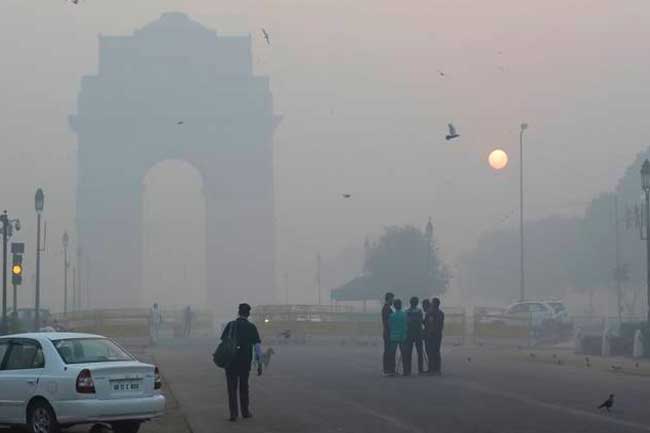
Specifically, atmospheric circulation patterns have transported pollutants from the heavily industrialized and often smog-laden Indo-Gangetic Plains of Northern India. This regional phenomenon has seen AQI levels in parts of India exceed 300, creating a vast plume of pollution that wind patterns, modulated by recent cyclonic storms in the Arabian Sea and Bay of Bengal, have carried across to Sri Lanka. This mirroring of India’s severe air pollution crisis, where cities like New Delhi have seen AQI values reaching a ‘severe’ 344, underscores the interconnected nature of air quality in the region.
Key Pollutants and Health Implications
The primary culprits in this deteriorating air are fine particulate matter, specifically PM2.5 and PM10. PM2.5 levels across Sri Lanka have been reported around 42 µg/m³ overall, and between 34-42 µg/m³ in Colombo. These levels are notably above the recommended World Health Organization (WHO) guidelines, signifying a considerable health threat. These microscopic particles, when inhaled, can penetrate deep into the lungs and even enter the bloodstream, leading to a range of serious health issues.
Medical professionals and environmental agencies are issuing stern warnings, particularly for sensitive groups. Children, the elderly, pregnant women, and individuals with pre-existing respiratory conditions (such as asthma) or heart ailments are at heightened risk. Symptoms such as breathing difficulties, throat irritation, and aggravated asthma are common under current conditions.
Advisories and Outlook
In response to the escalating crisis, authorities are advising the public to take precautionary measures. Citizens are strongly encouraged to reduce prolonged or heavy outdoor exertion and, where possible, limit time spent outside. Keeping windows and doors closed to minimize indoor exposure to pollutants is recommended, and wearing protective masks when venturing outdoors is also advised.
The current air quality situation is not expected to be a short-term phenomenon. Officials from the NBRO project that these unhealthy conditions could persist until March 2026, implying a prolonged period of elevated health risks. This outlook necessitates sustained vigilance and proactive measures from both government bodies and the public.
As Sri Lanka continues to monitor and grapple with this environmental challenge, the emphasis remains on protecting public health and exploring long-term strategies to mitigate both local and transboundary sources of air pollution. The situation serves as a stark reminder of the urgent need for regional cooperation on environmental issues that transcend national borders.