Sigiriya Lion Rock:
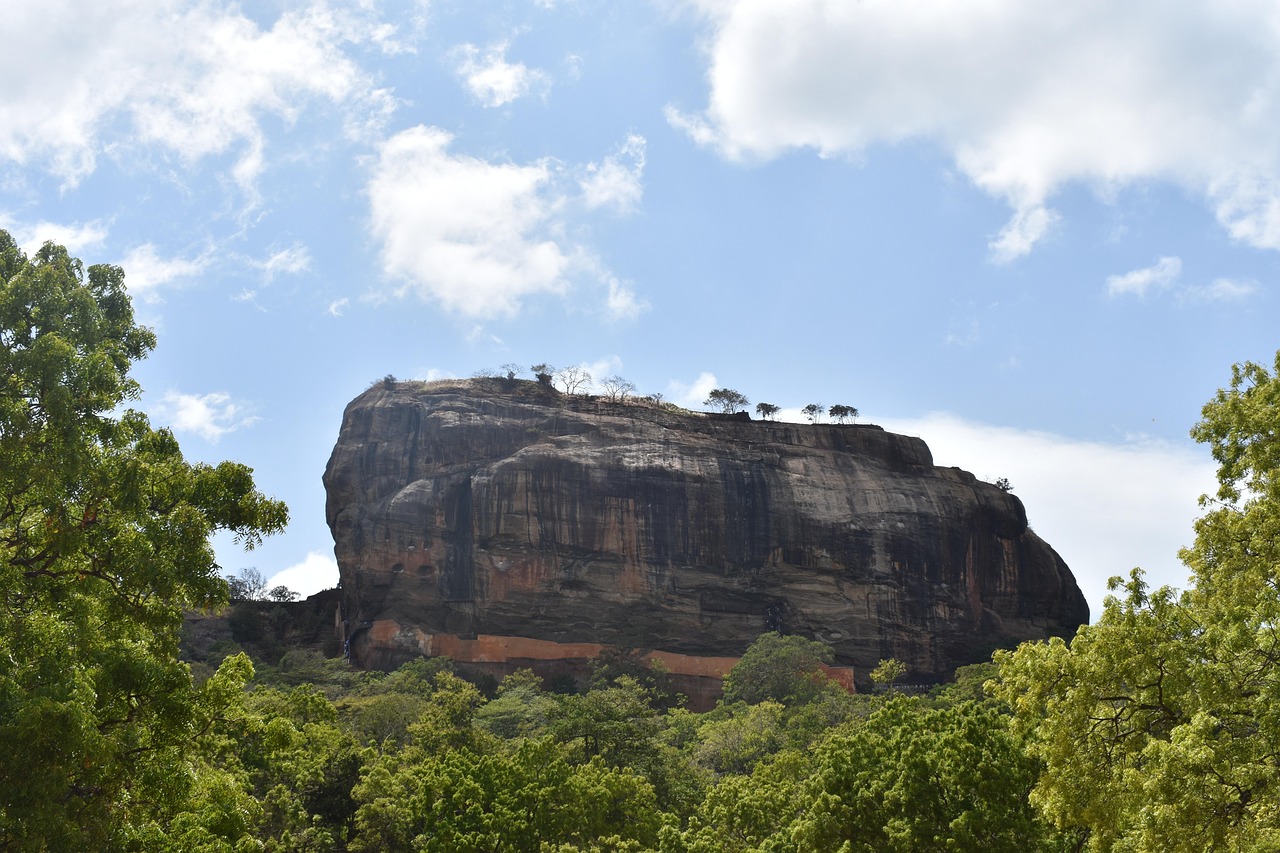
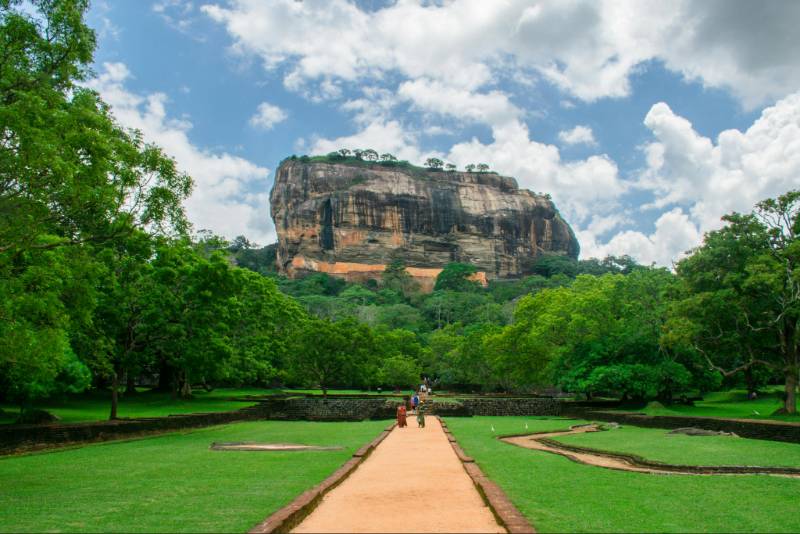
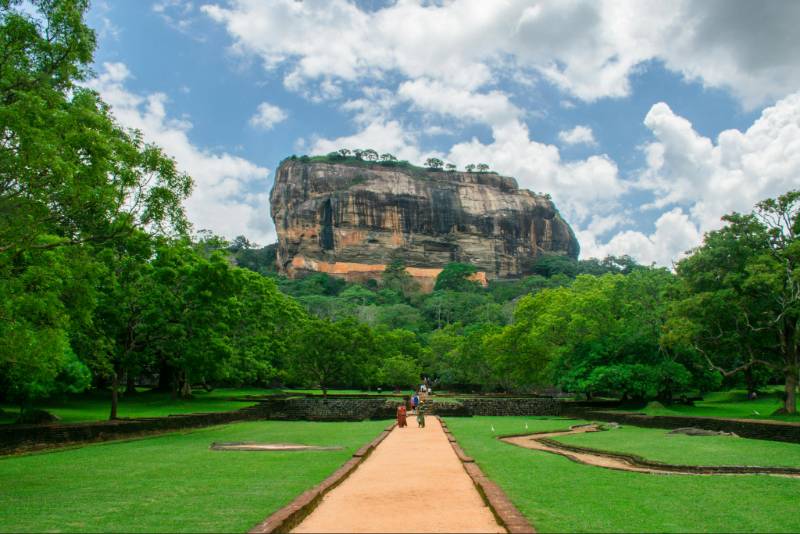
It rises out of the central plains of Sri Lanka like a stone titan—a massive column of orange rock topped with the ruins of a tragic king’s palace.
You’ve seen the photos. You’ve seen the drone shots on Instagram. But let me tell you, as someone who has climbed these 1,200 steps more times than I can count, nothing prepares you for the feeling of standing at the Lion’s Paws, looking up at a fortress built 1,500 years ago.
Sigiriya (The Lion Rock) is not just a tourist attraction; it is the heart of Sri Lanka’s “Cultural Triangle.” It is an engineering marvel, a UNESCO World Heritage site, and the setting for one of history’s most dramatic royal feuds.
If you are planning a trip to Sri Lanka in 2026, this is the only guide you need. From the dark history of King Kashyapa to the practical logistics of how to get there from the airport, here is everything you need to know.
The Story: A King, A Murder, and A Palace in the Sky
Before you climb, you must know why this rock exists. Without the story, it’s just a workout with a view.
In the late 5th Century (477–495 AD), Prince Kashyapa did the unthinkable: he walled his father, King Dhatusena, up alive to steal the throne. Fearing revenge from his brother Moggallana (the rightful heir), Kashyapa fled the capital of Anuradhapura.
He needed a fortress that was impossible to attack. He found Sigiriya.
For 18 years, Kashyapa turned this massive rock into a palace of pleasure and protection. He built swimming pools on the summit, painted the rock face with beautiful frescoes, and constructed a massive lion gate to guard the entrance.
Eventually, his brother returned with an army. Legend says Kashyapa’s elephant bucked during the battle, and his troops, thinking he was retreating, fled. Too proud to surrender, Kashyapa cut his own throat. The palace was abandoned and swallowed by the jungle for centuries.
When you climb, you are walking in the footsteps of a king who had everything, but lost it all.
The Climb: What to Expect
The Stats:
Height: 200 meters (660 feet)
Steps: ~1,200
Time to climb: 45 minutes to 1 hour (one way)
Difficulty: Moderate. It is steep, but there are handrails and sturdy metal stairs.
Phase 1: The Water Gardens
Before the ascent, you walk through the landscaped Royal Gardens. These are some of the oldest landscaped gardens in the world, featuring hydraulic systems that still work during the rainy season. It’s a flat, peaceful walk that builds anticipation as the rock looms larger ahead.
Phase 2: The Frescoes and Mirror Wall
About halfway up, you’ll ascend a spiral staircase to a sheltered pocket in the rock. Here, you’ll find the Sigiriya Frescoes—ancient paintings of celestial maidens (Apsaras). The colors are still vibrant after 1,500 years.
Photography Rule: STRICTLY NO PHOTOS allowed in the fresco cave. The flash damages the pigment. Guards are watching!
Next is the Mirror Wall. Once polished so highly that the King could see his reflection, it is now covered in ancient graffiti left by visitors between the 6th and 14th centuries.
Phase 3: The Lion’s Paws
This is the main plateau before the final summit push. Two massive stone paws flank the staircase. Originally, a giant brick lion head swallowed the stairs, but it collapsed centuries ago. Take a break here, drink some water, and prepare for the final, steep ascent.
Phase 4: The Summit
The top is flat and surprisingly large (1.6 hectares). You’ll see the foundations of the Royal Palace and the Sky Pool. The view is 360 degrees of emerald jungle, distant misty mountains, and the white statue of the Buddha at the nearby Pidurangala temple.
Practical Guide: Planning Your Visit (2026 Updated)
Sigiriya Lion Rock Entrance Fees (2026)
As of early 2026, the ticket prices have been updated.
Foreign Adults (Non-SAARC): $35 USD
Foreign Children (6-12 years): $20 USD
SAARC Nationals: $20 USD (Must show passport)
Locals: ~200 LKR
Payment Tip: The ticket office accepts credit cards, but the machines often have connectivity issues due to the remote location. Always bring cash (USD or LKR) to be safe.
Opening Hours
Open: 7:00 AM – 5:30 PM
Ticket Counter Closes: 5:00 PM
Best Time to Visit
Sri Lanka is hot. The rock heats up like a frying pan by noon.
Option A (The Best): Be at the gate at 7:00 AM sharp. You will beat the tour bus crowds and the heat.
Option B: Go at 3:30 PM. You will catch the golden hour light for photos and watch the sunset from the top.
How to Get to Sigiriya
Sigiriya is located in the Matale District, right in the center of the island. Most travelers base themselves in Sigiriya town, Dambulla (30 mins away), or Habarana (25 mins away).
From Colombo International Airport (BIA)
1. The Fast & Comfortable Way (Taxi/Private Transfer)
Time: 3.5 – 4 hours
Cost: $70 – $100 USD (one way)
This is the best option after a long flight. You can book an Uber/PickMe from the airport or arrange a private driver beforehand (recommended).
2. The Budget Adventure (Bus)
Time: 6 – 7 hours
Cost: Less than $8 USD total
Route:
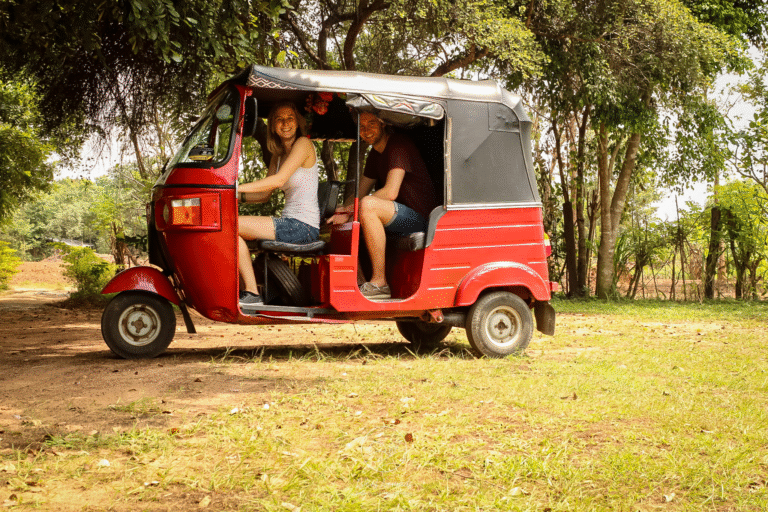
Take the shuttle bus or tuk-tuk from the Airport to the Averiwatta Bus Stand (just outside the airport).
Catch the #187 Bus to Colombo Fort (Main Station).
From Colombo Fort, take Bus #48 (Kaduruwela) or #49 (Trinco).
Get off at Dambulla or Habarana.
Take a tuk-tuk the final 15km to Sigiriya (~1,500 – 2,000 LKR).
3. The Scenic Route (Train)
Time: 5 – 6 hours + transfer
Cost: ~$10 – $20 USD (Reserved seats)
There is no train station in Sigiriya. You must take the train from Colombo Fort to Habarana.
From Habarana station, it is a 20-minute tuk-tuk ride to Sigiriya.
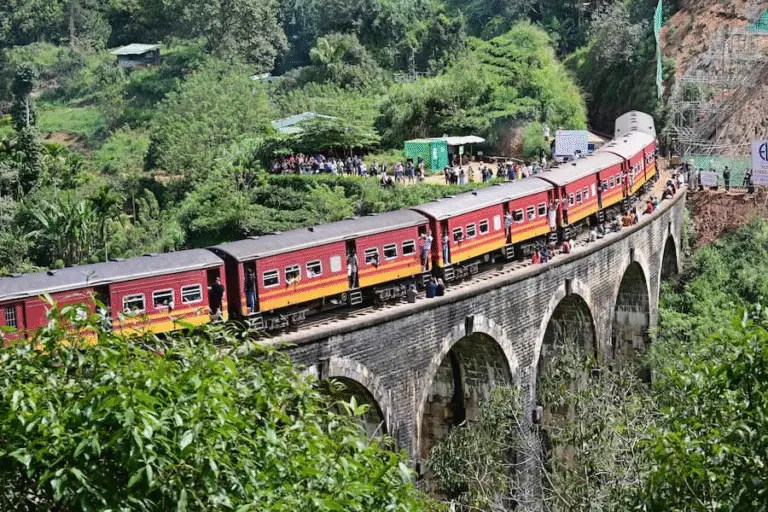
Note: Trains are slower than taxis but offer beautiful views of the countryside.
Essential Travel Tips for Sigiriya
Water is Life: There are no shops inside the site or at the summit. Bring at least 1.5 liters of water per person.
Dress Modestly? Unlike temples, Sigiriya is not a religious site, so shorts and tank tops are allowed. However, the sun is fierce—light, long sleeves are better for protection.
Beware the Wasps: You will see signs warning about wasps. They are generally peaceful, but if a swarm attacks (usually due to loud noises), designated “wasp cages” are available for shelter. Keep your voice down!
The “Helper” Scam: At the entrance, locals may offer to “help” you up the stairs. They will expect a tip (usually high). If you don’t need help, firmly but politely say “No, thank you.”
Sigiriya or Pidurangala?
You might hear travelers debating this.
Climb Sigiriya if you want the history, the frescoes, and the prestige of the UNESCO site.
Climb Pidurangala (the rock opposite) if you want a budget option ($3 entry) and the best view of Sigiriya itself.
My advice? Do both. Pidurangala for sunrise, Sigiriya for the history.
Final Thoughts
Standing on the summit of Sigiriya, with the wind cooling the sweat on your face, looking out over the unending green horizon, you realize something profound: Ancient Sri Lanka was not just surviving; it was thriving.
It is a steep climb, and the ticket isn’t cheap, but the experience of standing on top of King Kashyapa’s palace in the clouds? Priceless.
Ready to book your trip? Check out our [10-Day Sri Lanka Itinerary] for the perfect route to fit Sigiriya into your plans.