
Who is Thileepan in Sri Lanka?
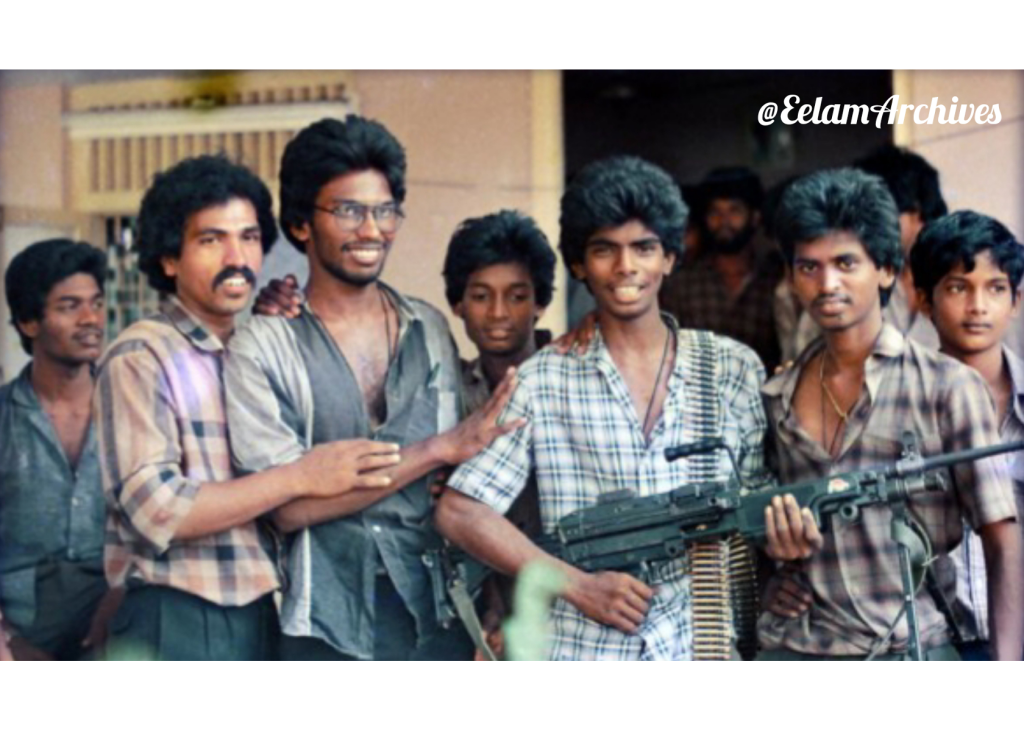
Who is Thileepan in Sri Lanka? According to Wikipedia Thileepan’s Original Name is Rasaiah Parthipan and he was born on 29 th of November was from Urelu near Urumpirai in North Sri Lanka. 1963 and died on 26 September 1987 while on a hunger strike.He was a member of the Liberation Tigers of Tamil Eelam. Where did Thileepan Lived? Thileepans father was a Tamil teacher and mother died when Thileepan was three months old.After the death of his father he was brought up by his three elder brothers.He studied at Jaffna Hindu College and went to the University of Jaffna for his higher studies. Was Thileepan a member of LTTE? Thileepan Joined LTTE prior to the 1983 Black July anti- Tamil Riots.After his stomach injured during the Vadamarachchi Operation, he became a political leader for LTTE. As tensions escalated in northern Sri Lanka, the LTTE submitted a letter to the Indian High Commissioner on September 13, 1987, outlining five demands. These demands included the following: The LTTE directed these demands towards the Indian government, as they believed that Indian intervention could compel the Sri Lankan government to comply. Despite granting the Indians a 24-hour deadline, the LTTE received no response or acknowledgment. How did Thileepan die? Thileepan, a member of the LTTE, began a hunger strike on September 15, 1987, in front of Nallur Kandaswamy Temple, with the aim of pressuring the Indian government to meet the group’s demands. Thileepan’s speeches were broadcast on Nidharsanam, the LTTE’s television station, and people from all over Jaffna peninsula came to observe and participate in the hunger strike. On September 22, 1987, Indian High Commissioner J. N. Dixit arrived at Palaly Airport and was met by LTTE leader V. Prabhakaran, who wanted Dixit to go and see Thileepan. Dixit, however, wanted a written guarantee from Prabhakaran that Thileepan would end his hunger strike if Dixit met with him, but Prabhakaran couldn’t give the guarantee. As Thileepan’s condition deteriorated, he stopped giving speeches. After refusing food or water for 12 days, Thileepan died on September 26, 1987. A “martyr’s funeral” was held in Jaffna, and Thileepan’s body was handed over to the University of Jaffna’s medical faculty. Resources – Wikipedia *Lankan.org does not support any Terrorist group. Just a reporting
Galle travel guide:10 places you must visit in Galle Sri Lanka,
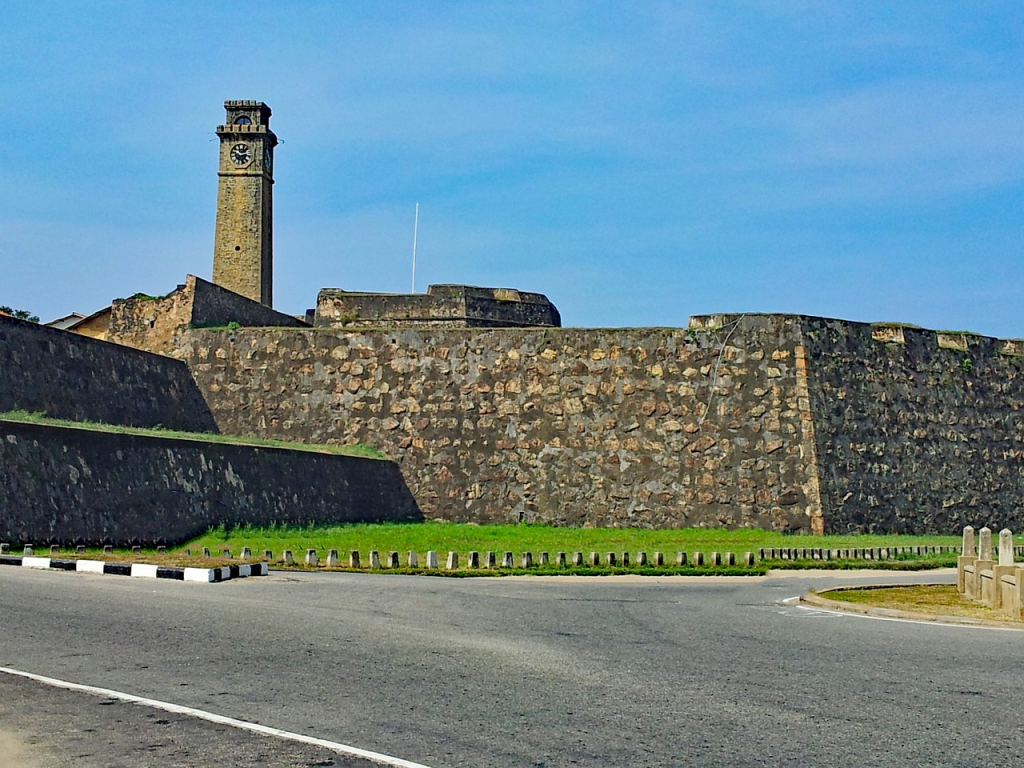
Sri Lanka, with its tropical beaches, lush jungles, and rich history, has always been a traveler’s paradise. Nestled on the southwestern coast of this beautiful island nation lies Galle, a city that effortlessly weaves together the strands of history, culture, and natural beauty. In this article, we embark on a journey through Galle, exploring its ancient fortifications, charming streets, and serene beaches. Galle Fort: A Living Museum Our adventure begins within the walls of Galle Fort, a UNESCO World Heritage Site that transports visitors back in time to the days of Dutch colonial rule. This well-preserved fortification is a testament to the city’s rich history, featuring cobblestone streets, ancient ramparts, and colonial-era buildings. As you stroll along these historic streets, you’ll encounter boutique shops, art galleries, and cafes housed in centuries-old structures. The scent of spices and the sound of waves crashing against the fort’s walls create a sensory experience like no other. The Iconic Galle Lighthouse Standing tall within the fort is the Galle Lighthouse, an iconic structure that offers panoramic views of the Indian Ocean and the city below. As you climb to the top, you’ll be rewarded with breathtaking vistas, making it an ideal spot for capturing those Instagram-worthy moments. Dutch Reformed Church: A Spiritual Gem A short walk from the lighthouse will lead you to the Dutch Reformed Church, an architectural marvel that dates back to the Dutch colonial era. Its stark white exterior and serene interior make it a place of quiet reflection amidst the bustling fort. Galle International Cricket Stadium: A Sporting Oasis For cricket enthusiasts, a visit to the Galle International Cricket Stadium is a must. This picturesque venue, surrounded by lush greenery and the backdrop of the historic fort, offers a unique atmosphere to catch an exciting match. A Journey to Serenity: Unawatuna Beach Leaving the fort behind, venture to Unawatuna Beach, a pristine stretch of golden sand lined with palm trees. It’s the perfect place to unwind, swim in the crystal-clear waters, or soak up the sun. The calm, turquoise bay is ideal for swimming and water sports, making it a family-friendly destination. Japanese Peace Pagoda: A Spiritual Retreat A short drive from Galle takes you to the Japanese Peace Pagoda on Rumassala Hill. This Buddhist stupa not only provides spiritual solace but also offers incredible panoramic views of Galle and the surrounding coastline. The hike up to the pagoda is a rewarding adventure in itself. Conclusion: Galle’s Timeless Allure As you explore the rich tapestry of Galle’s history, culture, and natural beauty, you’ll find that this city encapsulates the essence of Sri Lanka. Galle is more than just a travel destination; it’s a journey through time, a sanctuary of tranquility, and a testament to the enduring allure of this beautiful island nation. Whether you’re a history buff, a nature lover, or simply seeking a peaceful escape, Galle has something special to offer every traveler. So, pack your bags, embark on this captivating journey, and discover the timeless charm of Galle, Sri Lanka. Image by lapping from Pixabay
Five Facts About the Easter Bombings in Sri Lanka!
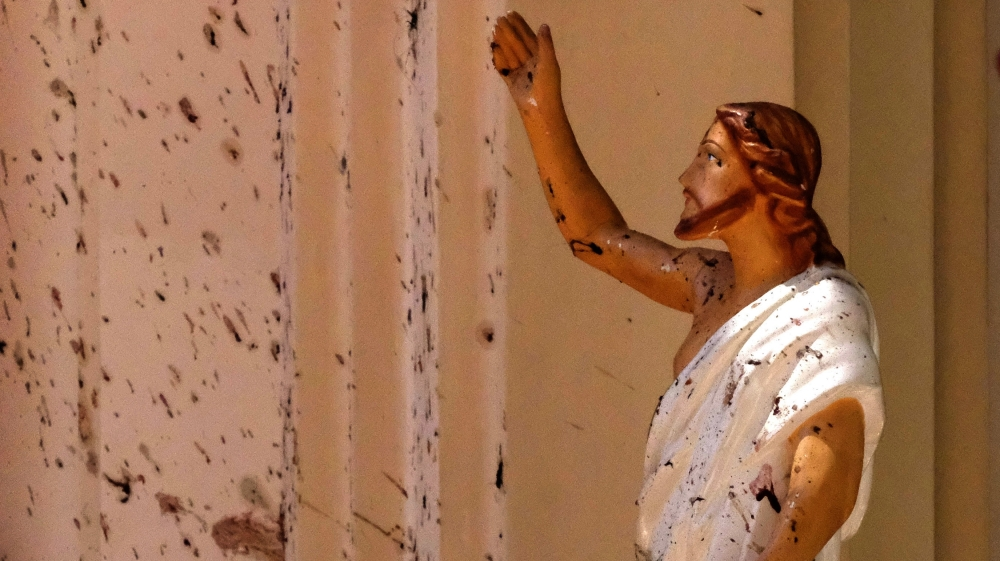
The Easter bombings in Sri Lanka that occurred on April 21, 2019, shocked the world and left a profound impact on the nation. This coordinated series of terrorist attacks targeted churches and hotels, resulting in a significant loss of life and widespread fear. Here are five crucial facts about the Easter bombings in Sri Lanka that shed light on this tragic event. The Easter Sunday bombings in Sri Lanka targeted several locations across the country. Three churches, including St. Anthony’s Shrine in Colombo, St. Sebastian’s Church in Negombo, and Zion Church in Batticaloa, were attacked during Easter morning services. Additionally, three high-end hotels in the capital city of Colombo, the Shangri-La, Cinnamon Grand, and Kingsbury Hotel, were also targeted. These coordinated attacks were designed to inflict maximum damage and casualties. The Easter bombings in Sri Lanka resulted in a devastating loss of life. The attacks killed over 250 people and injured hundreds more, making it one of the deadliest acts of terrorism in the country’s history. The victims included both Sri Lankan citizens and foreigners who were attending Easter services or staying at the targeted hotels. The attacks left countless families shattered and communities in mourning. In the aftermath of the bombings, it was revealed that a local Islamist extremist group called National Thowheed Jama’ath (NTJ) was responsible for carrying out the attacks. The NTJ had previously come to the attention of authorities due to its extremist views and activities. The group’s involvement raised concerns about the rise of radicalism in Sri Lanka and the potential for further violence. Investigations into the Easter bombings revealed that the attackers had international connections. It was discovered that the group had received support and guidance from a global terrorist organization, ISIS (Islamic State of Iraq and Syria). This international link underscored the need for countries worldwide to cooperate in the fight against terrorism and to address the global reach of extremist ideologies. The Easter bombings had far-reaching repercussions for Sri Lanka. In the immediate aftermath, the government imposed a state of emergency, and security measures were heightened across the country. The attacks also had a significant impact on tourism, a crucial sector of the Sri Lankan economy. The government faced criticism for its handling of intelligence and security prior to the bombings, leading to political upheaval and changes in leadership. Conclusion The Easter bombings in Sri Lanka were a tragic event that highlighted the global nature of terrorism and the need for increased cooperation in counterterrorism efforts. The loss of innocent lives and the widespread fear and sorrow caused by these attacks serve as a reminder of the ongoing challenges posed by extremism and the importance of addressing its root causes. Sri Lanka continues to heal from the scars of this event and work towards a more secure and peaceful future.
10 Best Sri Lankan Foods You Should Try
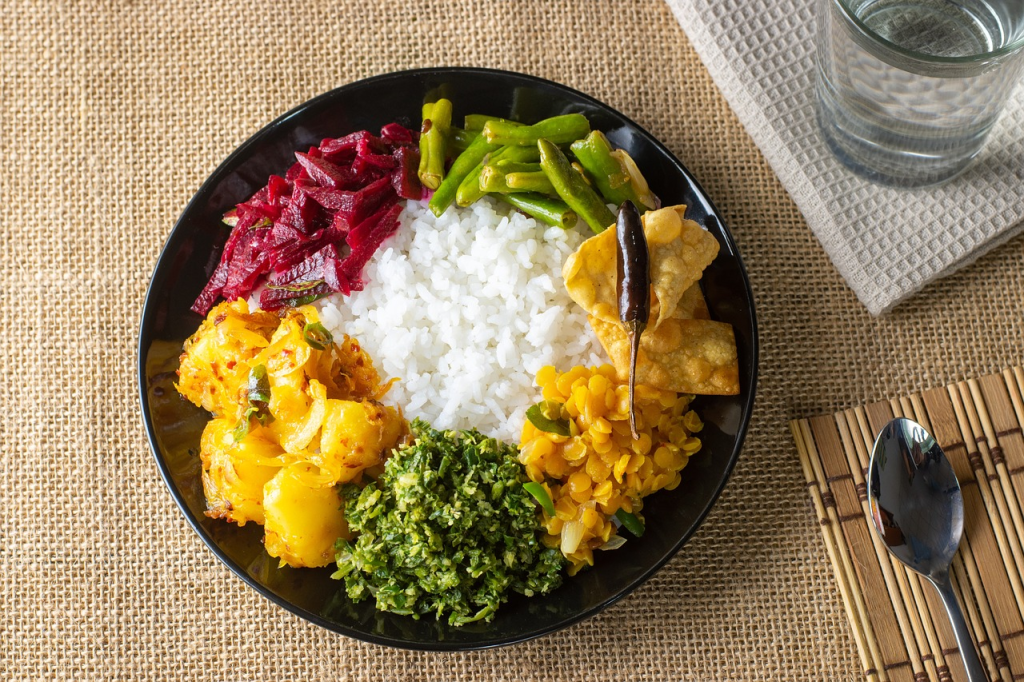
Sri Lanka, a jewel in the Indian Ocean, is not just famous for its breathtaking landscapes and warm hospitality; it’s also a haven for food enthusiasts. The island’s culinary delights offer a kaleidoscope of flavors, blending spices, fresh ingredients, and traditional cooking methods. In this gastronomic journey, we will explore the ten best Sri Lankan foods that deserve a spot on your must-try list. 1. Rice and Curry: A meal that epitomizes Sri Lankan cuisine, “rice and curry” is a tantalizing blend of aromatic rice served with an array of curry dishes. These curries can feature chicken, fish, beef, or even vegetarian options, all seasoned with a delightful mix of spices and coconut milk. 2. Hoppers (Appa): For breakfast or any time of the day, hoppers are a unique and delicious choice. These bowl-shaped rice flour pancakes have crispy edges and a soft center, making them perfect for scooping up dhal (lentil curry) or sambols. 3. Kottu Roti: A dish as entertaining as it is delicious, kottu roti is a popular street food. It involves chopped-up roti (flatbread) stir-fried with vegetables, egg, and your choice of meat or seafood, all seasoned with spices and curry sauce. 4. Lamprais: Lamprais is a testament to Sri Lanka’s cultural diversity. Dutch Burgher cuisine meets Sri Lankan flavors in this dish, where a mixture of meat, vegetables, and rice is baked in a banana leaf packet for a harmonious culinary experience. 5. Deviled Dishes: If you’re a fan of spicy food, you’ll love Sri Lankan deviled dishes. Deviled chicken, fish, or even mushrooms are cooked with a fiery blend of chili, onions, and capsicum, delivering an explosion of flavors. 6. String Hoppers (Idiyappam): A favorite for breakfast or dinner, string hoppers are delicate, thin rice noodles that are steamed to perfection. They are traditionally served with dhal and coconut sambol for a wholesome meal. 7. Pol Sambol: Pol sambol, or coconut sambol, is a zesty condiment that accompanies many Sri Lankan dishes. It’s made with grated coconut, red chili flakes, lime juice, and onions, adding a kick to your meal. 8. Fish Ambul Thiyal: Fish lovers rejoice with this tangy and spicy dry fish curry. Tamarind and goraka (a local fruit) impart a unique sour flavor that makes fish ambul thiyal an unforgettable experience. 9. Wattalappam: To satisfy your sweet tooth, indulge in wattalappam, a rich custard-like dessert made with jaggery, coconut milk, and spices. Its sweet, warm flavors are the perfect ending to a hearty meal. 10. Sri Lankan Roti: Whether stuffed with a savory filling or enjoyed plain, Sri Lankan roti is a versatile flatbread made from wheat or rice flour and coconut. It pairs wonderfully with curries or can be a satisfying snack on its own. Conclusion: Sri Lanka’s culinary landscape is as diverse as its geography. From fiery deviled dishes to the comforting simplicity of rice and curry, this list of ten must-try Sri Lankan foods is just the beginning of your culinary adventure on this enchanting island. So, the next time you’re in Sri Lanka, be sure to explore the local flavors and savor these delicious dishes that will leave your taste buds wanting more.