Top 10 Annual Festivals in Sri Lanka You Must Experience in 2025-2026
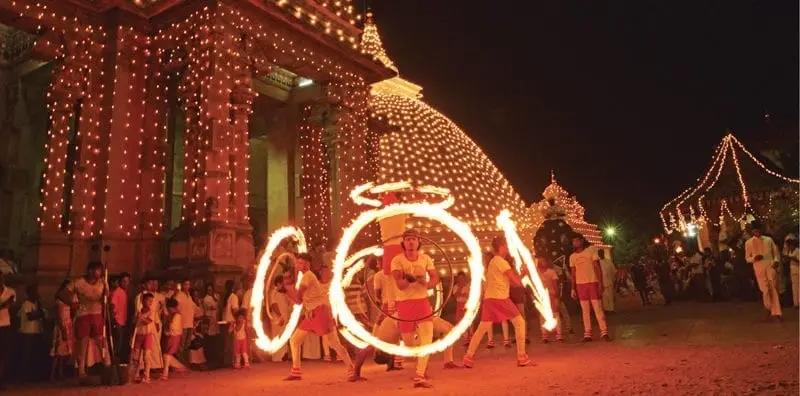
Sri Lanka, the Pearl of the Indian Ocean, is a land vibrant with ancient traditions, spiritual devotion, and jubilant celebrations. Its annual festival calendar is a rich tapestry reflecting the island’s diverse multi-ethnic and multi-religious heritage. From grand Buddhist processions to colorful Hindu pujas and lively cultural gatherings, these events offer an unparalleled glimpse into the soul of Sri Lanka. For those planning a captivating journey, staying abreast of the latest dates and developments for 2025 and 2026 is crucial to experience the magic firsthand. Planning Your Festival Journey: Latest Insights for 2025-2026 While annual festival dates are typically set well in advance, recent updates impacting tourism and specific festival schedules are vital for discerning travelers. The nation’s commitment to cultural immersion is growing, with an emphasis on heritage revival, particularly in regions like Jaffna. Furthermore, anticipated infrastructure improvements, such as a high-speed rail connecting Colombo to Kandy in under 90 minutes, are expected to significantly enhance accessibility for major events like the Kandy Esala Perahera by 2026. Spotlight on Sri Lanka’s Unmissable Annual Celebrations 1. Kandy Esala Perahera Undoubtedly Sri Lanka’s most magnificent spectacle, the Kandy Esala Perahera is an ancient Buddhist festival honoring the Sacred Tooth Relic of Lord Buddha, housed at the Sri Dalada Maligawa. This grand procession features richly caparisoned elephants, traditional dancers, drummers, and fire performers parading through Kandy’s streets for ten nights. It is considered the epitome of the country’s Buddhist celebrations. 2. Galle Literary Festival A beacon for literary enthusiasts, the Galle Literary Festival transforms the UNESCO-listed Galle Fort into a vibrant hub of intellectual discourse and artistic expression. This internationally acclaimed event draws renowned authors, poets, and thinkers from around the globe. 3. Sinhala and Tamil New Year (Aluth Avurudda) Celebrated widely across the island, the Sinhala and Tamil New Year marks the sun’s transition from Pisces to Aries, signifying the end of the harvest season and the dawn of spring. It’s a time for family gatherings, traditional customs, delicious sweetmeats, and traditional games, observed by both Sinhala Buddhists and Tamil Hindus. 4. Vesak Poya Vesak, the most significant Buddhist festival, commemorates the birth, enlightenment, and passing of Lord Buddha. The island illuminates with colorful lanterns (Vesak koodu), pandals (thoranas) depicting Jataka tales, and ‘Dansals’ offering free food and drinks to passers-by. 5. Duruthu Perahera (Kelaniya) The Duruthu Perahera at the historic Kelaniya Raja Maha Viharaya marks the Buddha’s first visit to Sri Lanka. This early-year procession showcases traditional Kandyan dancing, drumming, and decorated elephants, albeit on a smaller scale than the Kandy Perahera, culminating in a grand final procession. 6. Nallur Festival (Nallur Kandaswamy Kovil Festival) The Nallur Kandaswamy Kovil Festival in Jaffna is one of Sri Lanka’s longest and most revered Hindu festivals, dedicated to Lord Murugan. Spanning nearly a month, it’s a profound display of devotion with vibrant chariot processions, rhythmic drumming, and acts of self-mortification by entranced devotees. 7. Deepavali (Diwali) The Festival of Lights, Deepavali, is a significant Hindu celebration observed with great zeal in Sri Lanka, particularly by the Tamil community. It symbolizes the triumph of light over darkness and good over evil, marked by lighting oil lamps, fireworks, and sharing sweet treats. 8. Kataragama Esala Perahera Held in the sacred town of Kataragama, this multi-religious festival honors God Kataragama, revered by both Buddhists and Hindus. It involves solemn rituals, firewalking, Kavadi dances, and a procession with decorated elephants carrying sacred relics. 9. Thai Pongal A harvest festival celebrated primarily by the Tamil community, Thai Pongal is a thanksgiving celebration dedicated to the Sun God (Surya) for a bountiful harvest. Families prepare a special sweet rice dish (pongal) and decorate their homes with colorful ‘kolams’ (rice paste designs). 10. Poson Poya Poson Poya holds immense religious significance as it commemorates the introduction of Buddhism to Sri Lanka by Mahinda Thero in the 3rd century BC. Devotees visit temples, engage in religious observances, and illuminate their surroundings with lanterns, particularly in Anuradhapura and Mihintale, the cradle of Buddhism in Sri Lanka. Essential Tips for Festival-Goers in Sri Lanka To maximize your festival experience, especially for events like the Kandy Esala Perahera or Nallur Festival which draw huge crowds, early planning is essential. Book your accommodation and secure viewing spots well in advance. Respect local customs and dress modestly when visiting religious sites. Be prepared for large crowds and potential traffic congestion in festival areas. Engaging with local tour operators for guided experiences can also provide deeper cultural insights and logistical ease. Stay updated with official tourism advisories and festival websites for any last-minute changes. Conclusion Sri Lanka’s annual festivals are more than just events; they are profound expressions of faith, heritage, and community spirit. Attending one of these vibrant celebrations offers an unforgettable immersion into the island’s captivating culture. With the latest 2025-2026 dates in hand, your journey to experience the heart of Sri Lanka‘s festive traditions awaits.
Pope Leo XIV May Visit Sri Lanka: Vatican Envoy Hints at Historic Tour
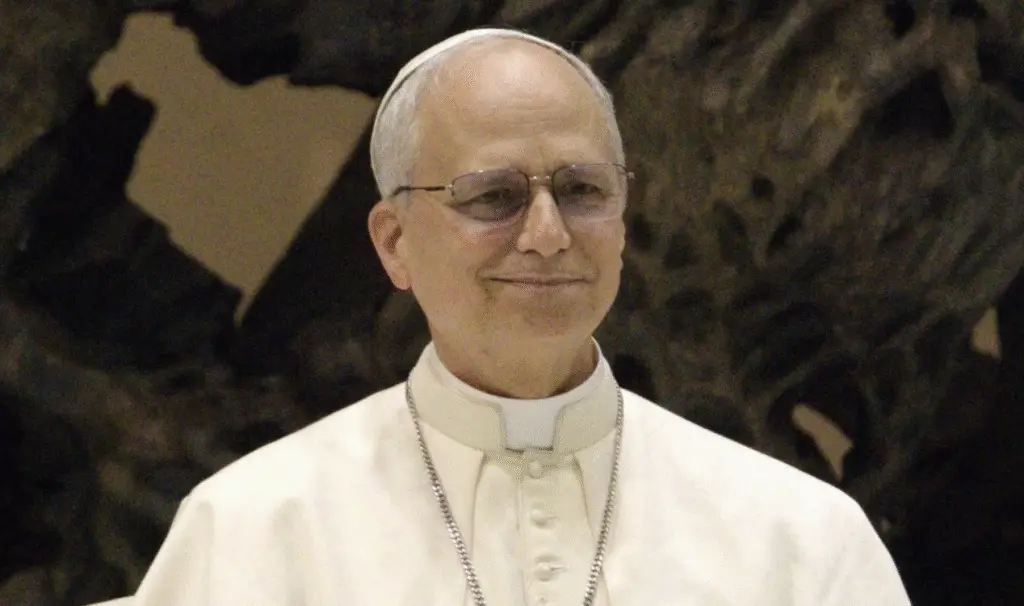
COLOMBO, Sri Lanka – The prospect of His Holiness Pope Leo XIV undertaking a historic visit to Sri Lanka has emerged as a significant development, following recent high-level discussions between Vatican officials and the Sri Lankan government. Archbishop Paul Richard Gallagher, the Holy See’s Secretary for Relations with States and International Organisations, indicated that the Pontiff “may consider a visit to Sri Lanka in the near future,” a statement that has resonated deeply across the island nation and within the global Catholic community. Archbishop Gallagher’s remarks came during a courtesy call on Sri Lankan President Anura Kumara Dissanayake on November 4, 2025, at the Presidential Secretariat in Colombo. The Vatican envoy’s visit itself holds considerable weight, as it commemorates the 50th anniversary of diplomatic relations between the Holy See and Sri Lanka, a milestone underscoring a half-century of enduring ties and mutual cooperation. A Golden Jubilee Celebration and Acknowledgment of Progress The core of Archbishop Gallagher’s message conveyed the admiration held by both himself and Pope Leo XIV for Sri Lanka’s demonstrable progress, particularly in fostering peace, unity, and harmony among its diverse ethnic and religious communities. This positive assessment serves as the foundation for the potential papal visit, suggesting that the Vatican views Sri Lanka’s current trajectory favorably. President Dissanayake, in welcoming Archbishop Gallagher, expressed profound appreciation for the Vatican’s longstanding support, which has extended across vital sectors such as education and humanitarian aid, notably following the devastating 2004 tsunami. He highlighted the significant benefits reaped from five decades of diplomatic engagement, emphasizing the promotion of human dignity and consistent support during times of national need. The President also took the opportunity to extend his best wishes to Pope Leo XIV, who ascended to the papacy on May 8, 2025, becoming the first American-born Pope. His election marked a new chapter for the Catholic Church, and a visit to Sri Lanka would be one of the early, significant international journeys of his pontificate, further solidifying the nation’s place on the global Catholic map. Vatican’s Reaffirmation of Support and Collaborative Future During his comprehensive visit, which extends until November 8, 2025, Archbishop Gallagher is scheduled to participate in several key events, including a conference titled ‘The See of Rome’s Perspective and Commitment to Dialogue and Peace.’ This event, along with his courtesy calls on other high-ranking Sri Lankan officials, including Premier Harini Amarasuriya and Minister of Foreign Affairs Vijitha Herath, aims to reinforce the shared commitment to peace, cooperation, and mutual understanding. Foreign Minister Vijitha Herath, following a working meeting with Archbishop Gallagher, reiterated Sri Lanka’s pride in its multifaceted engagement with the Holy See, particularly in areas of religion, education, healthcare, interfaith dialogue, and humanitarian cooperation. Minister Herath emphasized the crucial role played by the Catholic community in Sri Lanka in nation-building, social cohesion, and charitable work, acknowledging their multi-ethnic composition as a bridge in Sri Lanka-Vatican relations. The Archbishop, in turn, reaffirmed the Vatican’s unwavering support for Sri Lanka’s ongoing efforts to strengthen ethnic and religious harmony and consolidate economic stability. This reassurance comes at a critical juncture for Sri Lanka, underlining the Holy See’s commitment to the nation’s journey towards lasting peace and prosperity. Historical Context and Future Implications Sri Lanka has a rich history of welcoming papal visits, with previous pontiffs including Pope Paul VI in 1970, Pope John Paul II in 1995, and Pope Francis in 2015, all of whom left indelible marks on the hearts of the Sri Lankan people and strengthened the spiritual bonds. A potential visit by Pope Leo XIV would not only continue this cherished tradition but also symbolize a renewed hope for spiritual guidance and international recognition of Sri Lanka’s strides in reconciliation. The discussions between Archbishop Gallagher and Sri Lankan leadership signal a deepening of diplomatic ties and a mutual desire for continued collaboration on global issues, including environmental sustainability and challenges facing developing nations. Sri Lanka has also expressed its readiness to work closely with the Holy See at the United Nations and other multilateral forums. While no definitive dates or itineraries have been announced, the Vatican envoy’s statements have ignited anticipation across Sri Lanka. The potential visit of Pope Leo XIV would undoubtedly be a monumental event, further solidifying the nation’s spiritual landscape and its standing as a beacon of interfaith understanding in the Asian region. The coming months will likely see further developments as diplomatic channels continue to explore the feasibility and details of such a significant pastoral journey.
Sri Lanka’s Tourism Sector Sees Robust Growth in October 2025, Eyes Strong Finish to the Year
COLOMBO, Sri Lanka – As October 2025 draws to a close, Sri Lanka’s tourism sector is celebrating a significant surge in international arrivals, reinforcing its position as a burgeoning global travel destination. The latest figures released by the Sri Lanka Tourism Development Authority (SLTDA) indicate a robust year-on-year growth, signaling renewed confidence and strategic momentum within the industry. In the first 26 days of October 2025, Sri Lanka welcomed an impressive 137,876 tourists, marking a substantial 21.8 percent increase compared to the corresponding period in 2024. This positive performance has elevated the cumulative tourist arrivals for the year to date, reaching 1,863,370 by October 26, 2025, reflecting a 16.6 percent expansion over the previous year. India Leads the Charge, Diverse Markets Contribute to Growth India continues to be the primary driver of this growth, with Indian nationals accounting for the largest share of visitors in October. In the first 26 days of the month, 41,095 tourists arrived from India, representing nearly 29.8 percent of all arrivals. This dominance extends to the year-to-date figures, with India contributing 416,387 arrivals, solidifying its role as Sri Lanka’s leading source market. Beyond India, other key international markets are also making significant contributions. For October, the United Kingdom, China, the Russian Federation, and Germany emerged as prominent contributors, welcoming 11,033, 9,599, 8,507, and 7,956 tourists respectively. Cumulatively for 2025, the top five source countries are rounded out by the United Kingdom (172,926), Russian Federation (130,651), and Germany (114,944). Ambitious Targets and the Road Ahead Despite this commendable growth, the Sri Lanka Tourism Development Authority (SLTDA) acknowledges the challenges in meeting its ambitious full-year targets for 2025. The SLTDA’s projections include a ‘Lower Scenario’ of 2.415 million arrivals, a ‘Conservative Scenario’ of 2.676 million, and an ‘Optimistic Scenario’ of 3.0 million visitors. With the current year-to-date total at 1.86 million, a significant surge in arrivals during November and December will be crucial to reach even the lower end of these goals. This urgency is also reflected in the revenue targets; tourism earnings reached over $2.03 billion from January to August 2025, a 7.8% year-on-year increase, but the sector needs to generate over $2.9 billion in the final four months to achieve its $5 billion annual target. Strategic Initiatives Fueling Momentum Several strategic initiatives are contributing to the sustained momentum in Sri Lanka’s tourism sector. Enhanced air connectivity is playing a pivotal role, with new airlines and expanded flight routes boosting accessibility. Kuwait Airways is set to resume operations, while Belavia Airlines, Red Wings Airlines, Edelweiss/SWISS International Air Lines, and Enter Air are either launching or expanding their services to Sri Lanka, particularly to Bandaranaike International Airport (BIA) and Hambantota International Airport. The Airport and Aviation Services (Sri Lanka) (Private) Limited (AASL) is also introducing 12 additional check-in counters as a short-term measure for the winter season, operational from November 1, 2025, to accommodate increased demand. Furthermore, strategic visa reforms and dynamic destination marketing campaigns are enhancing Sri Lanka’s appeal. The country actively participated in prestigious international luxury travel events such as Luxperience 2025 in Sydney from October 7-10, showcasing its vibrant offerings and strengthening partnerships with global travel operators. These efforts align with the broader goal of positioning Sri Lanka as a world-class luxury destination. International Support and Future Development The global community is also recognizing and supporting Sri Lanka’s tourism recovery. The Asian Development Bank (ADB) recently approved a $100 million loan to bolster the sector, with a specific focus on developing the Dambulla and Trincomalee areas. This funding package will support crucial policy reforms and targeted infrastructure investments, aligning with the country’s National Tourism Policy. A World Bank report released this month (October) commended Sri Lanka’s stronger-than-expected growth in tourism and remittances, further underlining the sector’s positive trajectory. Adding to the positive sentiment, Lonely Planet recently named Jaffna among its ‘Best Cities to Visit in 2026’, a recognition that is expected to further boost the island’s appeal and diversify its tourism offerings. Addressing Challenges: Infrastructure and Sustainability While the growth figures are encouraging, industry stakeholders are keenly aware of the need for continuous improvement. The All-Island Association of Small and Medium Tourism Entrepreneurs has highlighted the importance of a clear and urgent plan to enhance tourism infrastructure to support the rising influx of visitors and ensure a high-quality experience. Addressing these infrastructural gaps and promoting sustainable tourism practices will be crucial for long-term growth and the realization of Sri Lanka’s ambitious targets. Outlook for Peak Season With the peak tourism season commencing in November and extending through February, the industry remains optimistic. The combination of increased air connectivity, strategic marketing, international investments, and positive global recognition sets a promising stage for Sri Lanka to capitalize on the upcoming months. The sustained growth in October serves as a strong indicator that the nation is well on its way to cementing its status as a premier travel destination, contributing significantly to its economic revival.
Ultimate Guide to Fun Activities in Colombo: Your Adventure Map

The Ultimate Guide to Thrilling Entertainment Spots and Fun Activities in Colombo, Sri Lanka Colombo, the vibrant commercial capital of Sri Lanka, is a hotspot for thrilling entertainment and leisure activities. Consequently, if you are searching for the best **Fun Activities in Colombo**, you’ve come to the right place! Indeed, the city offers a diverse range of venues guaranteed to deliver maximum fun. Therefore, we’ve compiled a definitive list of the best places to hang out, from immersive virtual reality zones to adrenaline-pumping water sports. For more travel tips, furthermore, check out our Top Colombo Guides. Top Indoor Entertainment Hubs for Fun Activities in Colombo To begin with, Colombo’s modern shopping complexes double as mega-entertainment centers, thereby housing multiple thrilling activities under one roof. **Colombo City Centre (CCC) – Gaming, Bowling, and Shooting** First and foremost, Colombo City Centre is a prime destination for high-octane fun, hosting a trifecta of popular entertainment concepts that cater to gamers and thrill-seekers alike. In short, this spot is a central hub for diverse **Colombo entertainment**. Fun Island Colombo City Center: A popular family entertainment center packed with arcade games, rides, and activities for all ages. AVR Colombo: Known for cutting-edge VR experiences and immersive gaming simulators. Counter Strike Bowling Colombo City Center: A modern bowling alley perfect for friendly competition. Shooting Arena Colombo City Center: Test your precision and aim at a state-of-the-art indoor shooting range (often air rifle or similar simulation). Address: 137 Sir James Pieris Mawatha, Colombo 00200, Sri Lanka. Google Map: View Colombo City Centre on Map **Pladium One Galle Face – Premium Indoor Gaming** Similarly, located within the upscale One Galle Face Mall, Pladium is an expansive indoor entertainment arena. Specifically, it features a wide array of arcade games, redemption games, and virtual reality rides, making it a fantastic spot for both kids and adults looking for **fun activities in Colombo**. Address: Level 4, One Galle Face Mall, Colombo, Sri Lanka. Google Map: View One Galle Face on Map **9D Cinema Marino Mall – Sensory Overload** Moreover, for a short, intense burst of fun, the 9D Cinema at Marino Mall is a must-try. Essentially, this attraction combines 3D film effects with motion, vibration, and environmental effects like wind and snow, offering a truly immersive cinematic experience. Address: Marino Mall, 590 Galle Road, Colombo 00300, Sri Lanka. Google Map: View Marino Mall on Map Outdoor & Unique Fun Activities Near Colombo **Pearl Bay Bandaragama – Waterpark and Karting Thrills** Moving away from the city center, Pearl Bay Bandaragama is a short drive from Colombo and stands as Sri Lanka’s first international standard leisure park. Above all, it’s the ideal spot for a full-day family outing, featuring a waterpark (SplashBay), an FIA-CIK certified Go-Karting track (SpeedBay), and other thrilling activities like archery and shooting. Ultimately, this is one of the best out-of-city **fun activities in Colombo**’s greater area. Address: Maithree Mawatha, Bandaragama, Sri Lanka 12530. Google Map: View Pearl Bay on Map **Soapy Island Galle Road Katubedda – Wet and Wild Fun** Furthermore, for something truly unique, head to Soapy Island for a round of soap football! This hilarious, slippery twist on soccer is played on an inflatable field covered in soap and water, which means it promises a fun, messy, and unforgettable experience perfect for groups of friends. Address: Katubedda, Moratuwa, Sri Lanka. Google Map: View Soapy Island on Map **Puttputt Mini Golf (Adventure Golf)** Finally, the timeless fun of mini golf is available in the heart of Colombo. Specifically, Puttputt (often known as Adventure Golf) offers a themed 18-hole course with challenging obstacles, thereby providing a relaxed yet competitive activity for dates or family outings. Simply put, it’s an excellent way to enjoy an afternoon of **Colombo entertainment**. Address: Arcade Independence Square, Colombo, Sri Lanka. (Using the location for Adventure Golf – a popular mini golf course in Colombo) Google Map: View Arcade Independence Square on Map In conclusion, whether you’re seeking virtual thrills, physical challenges, or hilarious water-based games, Colombo’s entertainment landscape has something for everyone. Therefore, use this guide to plan your next exciting adventure!
Sri Lanka Edges Closer to Banning Corporal Punishment: A New Era for Child Protection

In a significant stride towards safeguarding the nation’s youngest citizens, Sri Lanka’s Parliament is actively engaged in advancing a groundbreaking piece of legislation – the Penal Code (Amendment) Bill. This pivotal bill, which seeks to outlaw all forms of corporal and non-physical punishment against children in educational and institutional settings, saw critical movement within the last 48 hours, signaling a powerful commitment to child rights. The latest developments, including its approval by a key parliamentary committee and a scheduled Second Reading in Parliament, mark a hopeful turning point for child welfare across the island. Recent Parliamentary Progress: A Bill on the Fast Track The push for comprehensive child protection legislation has gained considerable traction. Just yesterday, on September 24, 2025, the Second Reading of the Penal Code (Amendment) Bill was scheduled to be taken up in Parliament. This follows its crucial approval on September 23, 2025, by the Sectoral Oversight Committee on Governance, Justice and Civil Protection, chaired by MP Dr. Najith Indika. The committee’s endorsement underscores the cross-party recognition of the urgent need for these reforms. This accelerated legislative process highlights the government’s determination to address long-standing concerns regarding the safety and well-being of children. The Ministry of Justice and National Integration noted that this Bill directly addresses a persistent gap in Sri Lanka’s legal framework, finally making corporal punishment a punishable offense. Unpacking the Bill: Redefining Punishment in Sri Lankan Institutions At the heart of the new Penal Code (Amendment) Bill is a clear and expansive prohibition of harmful disciplinary practices. The legislation explicitly aims to ban both physical and non-physical punishments inflicted upon children not only in schools but also in child detention centres, school hostels, children’s homes, and daycare centres. This broad scope ensures that vulnerable children across various settings receive adequate legal protection. The bill meticulously defines what constitutes an offense. It includes any physical act intended to cause pain or discomfort, no matter how slight. Crucially, it extends this prohibition to non-physical acts designed to cause humiliation, however minor. Specific examples outlined in the legislation are particularly illuminating: Furthermore, the amendment clarifies that such acts cannot be justified under general exceptions in the Penal Code, with Section 82 specifically amended to exclude corporal punishment from its scope. This comprehensive definition marks a paradigm shift in how child discipline is legally viewed in Sri Lanka. Stiffer Penalties and a Focus on Emotional Well-being The new bill introduces stringent penalties for those found guilty of violating its provisions. Offenders could face imprisonment ranging from six months to two years, a fine of up to one hundred thousand rupees, or both. Courts are also empowered to order compensation to be paid to the victim, based on a victim impact statement. For offenses committed against particularly vulnerable children—such as those in state custody or with disabilities—harsher penalties may apply. However, the legislation also allows for discretion, enabling courts to impose lesser sentences if the offender is under eighteen years of age. Minister of Childcare, Saroja Paulraj, highlighted the deeper intent behind this ban during a statement on September 24, 2025. She emphasized that the bill aims to prevent a child’s emotional suffering, noting that while physical wounds are visible, emotional scars often go unseen. Protecting children from such emotional trauma is a core objective of the new legislation. The Ongoing Debate: Balancing Protection and Discipline As with any significant legislative reform, discussions around its implementation are ongoing. During the parliamentary proceedings, opposition MP Ajith P. Perera proposed an amendment. This amendment, submitted to the Secretary General’s office on the evening of September 23, 2025, seeks to provide legal protection to teachers or school authorities who can demonstrate that punishment was administered with a genuine intent to correct a child’s behavior and guide them positively. This reflects the complex challenge of ensuring child safety while acknowledging the role of educators in maintaining discipline, albeit through non-violent means. A Broader Commitment to Child Rights The introduction of this bill is part of a larger, sustained effort by Sri Lanka to strengthen its child protection framework. The Penal Code (Amendment) Act, officially gazetted on July 4, 2025, already introduced Section 308b, which explicitly prohibits cruel and degrading punishments, both physical and non-physical, for anyone under eighteen years of age. This earlier amendment laid significant groundwork for the current bill, which further refines and enforces these protections. These legislative actions align with Sri Lanka’s international commitments and years of advocacy from civil society organizations and international bodies. The move is expected to foster a safer, more nurturing environment in schools and institutions, paving the way for positive discipline methods and a greater respect for children’s inherent dignity and rights. A New Dawn for Sri Lankan Children The progress of the Penal Code (Amendment) Bill through Parliament signals a transformative moment for Sri Lanka. By explicitly banning all forms of corporal and non-physical punishment, the nation is taking a decisive step towards creating learning and care environments where children can thrive without fear. This legislation is not merely about prohibition; it is about cultivating a culture of respect, empathy, and positive reinforcement, ensuring that every child in Sri Lanka can grow, learn, and develop their full potential in a truly protective environment. The coming days will be crucial as the bill continues its journey towards becoming a landmark law, shaping the future of child protection for generations to come.
Sri Lanka #1 Travel Destination for October 2025: An Island Reborn
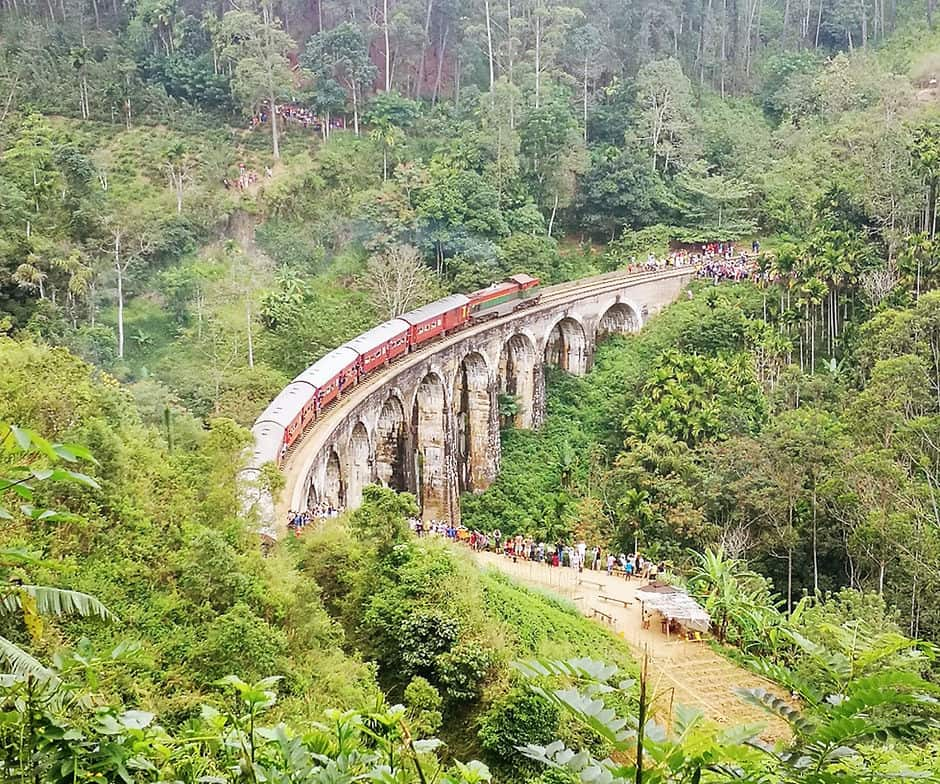
In a resounding affirmation of its irresistible allure, Sri Lanka has just been recognized by Time Out magazine as the #1 travel destination for October 2025. This prestigious accolade, announced on September 24, 2025, solidifies the island nation’s remarkable resurgence on the global tourism map, highlighting its unique blend of cultural richness, breathtaking natural beauty, and unparalleled hospitality. For savvy travelers and industry observers alike, this isn’t just a fleeting moment of glory; it’s a testament to Sri Lanka’s sustained efforts in rebuilding and reimagining its tourism sector, cementing its position as a must-visit locale for the discerning explorer. A Cascade of Recent Accolades and Growing Interest The Time Out ranking arrives amidst a flurry of positive developments and international recognition for Sri Lanka. Just days prior, on September 20, 2025, the island nation triumphed at the 9th South Asian Travel Awards (SATA) 2025, securing the coveted Visitors’ Choice Awards for both Leading MICE (Meetings, Incentives, Conferences, and Exhibitions) Destination and Leading Wellness Destination. This dual victory underscores Sri Lanka’s growing versatility, appealing not only to leisure travelers but also to the lucrative business and health-conscious segments. Local industry stalwarts, including The Kingsbury Colombo and Amaya Lake Dambulla, also clinched significant awards at SATA, showcasing the high standards of Sri Lankan hospitality. These awards complement other significant recognitions, such as Sigiriya being named the “World’s Most Welcoming City for 2025” by Booking.com, and Sri Lanka being celebrated as “The Most Beautiful Island in the World 2025” by Big 7 Travel. Such endorsements, driven by millions of traveler reviews, speak volumes about the authentic charm and outstanding service visitors experience across the island. Surging Visitor Arrivals Signal Robust Recovery The numbers don’t lie. Sri Lanka’s tourism sector is experiencing a vibrant recovery, with recent data painting a picture of sustained growth. The first three weeks of September 2025 alone saw an impressive 111,823 tourist arrivals, marking a substantial 31% increase compared to the same period in the previous year. This surge has propelled the total year-to-date arrivals to 1,678,346 by September 21, 2025, representing a commendable 15.9% growth over 2024. India continues to be the dominant source market, a trend further bolstered by the Sri Lanka Tourism Promotion Bureau’s recent successful Destination Weddings Promotion held across major Indian cities, aiming to position the island as a premier wedding paradise. While the Sri Lanka Tourism Development Authority (SLTDA) has pragmatically adjusted its ambitious 2025 target to a minimum of 2.6 million visitors from the initial 3 million, achieving this revised figure would still represent a historic high for the nation. This adjusted target reflects a cautious yet optimistic approach to sustainable growth, ensuring that the infrastructure and services can comfortably accommodate the increasing influx of guests. Enhanced Connectivity and Seamless Travel Experiences Improving accessibility is paramount for any aspiring top travel destination, and Sri Lanka is making significant strides in this area. Just yesterday, on September 24, 2025, Arkia Israel Airlines resumed weekly flights from Tel Aviv to Colombo, offering a new direct link for international travelers. This development is part of a broader push to enhance air connectivity. SriLankan Airlines, the national carrier, has implemented a five-year strategic plan focusing on financial stability and network expansion. Since July 2025, the airline has introduced double-daily services to popular Southeast Asian hubs like Singapore, Kuala Lumpur, and Bangkok, alongside additional flights to Dubai. These strategic adjustments, coupled with the induction of a leased Airbus A330-200 in June 2025, are designed to streamline operations and better serve the growing demand from key markets. Beyond air travel, the government is actively working to enhance the on-ground visitor experience. In a notable initiative introduced in mid-September 2025, tourists with valid international or national driving licenses can now obtain temporary driving permits upon arrival, making self-drive holidays, particularly by scooter or tuk-tuk, significantly more accessible. This move caters to the modern, adventurous traveler seeking independence and immersion, despite some initial concerns from local transport providers. Why Sri Lanka Continues to Captivate Sri Lanka’s enduring appeal lies in its incredible diversity packed into a compact island. From the ancient cities and cultural wonders of Sigiriya and Kandy to the pristine, golden beaches of the south coast, the island offers a kaleidoscope of experiences. Travelers can embark on unforgettable wildlife safaris in national parks like Yala, home to leopards and elephants, or enjoy the stunning scenic train rides through the emerald tea plantations of the hill country. The island’s culinary scene, with its vibrant spices and fresh produce, is another major draw, offering a gastronomic adventure for every palate. The recent recognition by Time Out, combined with the latest arrival figures, industry awards, and ongoing infrastructure and connectivity enhancements, paints a clear picture: Sri Lanka is not just recovering; it’s thriving. As the “Teardrop of India” continues its ascent, October 2025 is set to be a spectacular month for this enchanting island paradise, inviting the world to discover its unparalleled magic. The momentum is undeniable, making Sri Lanka a top contender for any traveler’s bucket list.
Sri Lanka’s New Visa Policies: Awaiting Implementation to Ignite Tourism Growth

In a strategic move to revitalise its crucial tourism sector, Sri Lanka has made significant announcements regarding new visa policies, aiming to attract a surge of international visitors. While the intent to liberalise travel and waive visa fees for numerous countries has been widely heralded, the most recent updates indicate that the full implementation of these ambitious plans is still a work in progress, with travelers largely continuing to navigate existing Electronic Travel Authorization (ETA) requirements. As an SEO expert and content writer, our focus is on providing the most accurate, up-to-the-minute information on this dynamic situation. The Ambitious Announcements: Expanding Visa-Free Travel The core of Sri Lanka’s recent visa reforms revolves around a significant expansion of its visa-free or visa-fee waiver program. In late July 2025, Sri Lanka’s Foreign Affairs and Tourism Minister, Vijitha Herath, confirmed the Cabinet’s approval to extend its free tourist visa policy to an additional 40 countries. This decision followed a successful trial phase that initially granted visa fee waivers to citizens from seven nations, including key markets like China, India, Indonesia, Russia, Thailand, Malaysia, and Japan. The comprehensive list of 40 new countries is understood to include major tourism source markets such as the US, UK, Canada, Australia, Germany, France, Saudi Arabia, and the United Arab Emirates, among others. The government’s objective is clear: to reduce the financial and logistical barriers to entry, thereby encouraging more international travelers to choose Sri Lanka as their preferred destination. This initiative is a critical component of the island nation’s broader strategy to recover from economic challenges and achieve an ambitious target of attracting 3 million tourists by the end of 2025, alongside a projected US$5 billion in tourism revenue. Officials acknowledged an estimated annual revenue loss of USD 66 million from waived visa fees but expressed confidence that the indirect economic benefits from increased tourist footfall would far outweigh this sum. Current Reality: Implementation Delays and the Enduring ETA Despite the optimistic announcements, recent reports underscore a crucial distinction between policy approval and actual implementation. As of August 19, 2025, reports indicated that the expanded visa fee waiver for the additional 40 countries had not yet been implemented, and travelers from these nations were still required to pay the standard Electronic Travel Authorization (ETA) fee. Further reinforcing this, a September 15, 2025, update from Travel And Tour World explicitly stated that a previously approved pilot program from August 2024, which aimed to offer free 30-day tourist visas to 35 countries (including many from the newly expanded list), has also not yet been fully implemented as of August 2025. Consequently, travelers from those listed countries were still paying the standard ETA fee. The existing system largely requires most visitors, unless from a few visa-exempt countries (like Maldives, Seychelles, Singapore), to obtain an ETA. This online authorization is typically required before departure, though historically, visas on arrival have been available under certain circumstances. The process for the seven originally exempt countries (China, India, Indonesia, Russia, Thailand, Malaysia, and Japan) still involves applying for an ETA, which is then granted free of charge, allowing a 30-day stay with double-entry facility. For other nationalities, the standard fee of approximately USD 50 still applies. The delays in rolling out these new policies appear to stem from procedural hurdles, including the need for legal clearance from the Attorney General’s office and parliamentary approval. This ongoing situation has created some uncertainty among potential travelers, impacting the immediate benefits anticipated from the announcements. Why These Policies Are Crucial for Sri Lanka’s Tourism Future Sri Lanka’s commitment to enhancing visa accessibility is a direct response to its economic imperatives. The tourism sector is a cornerstone of the nation’s foreign exchange earnings and a vital source of employment. While tourist arrivals showed notable growth in the first eight months of 2025, with 1,566,523 visitors, August 2025 saw a concerning decline in per-tourist spending and overall tourism revenue, despite increased arrivals. This highlights the urgent need for measures that not only boost visitor numbers but also encourage longer stays and higher spending. Simplified visa processes are universally recognised as a powerful stimulant for tourism. By potentially removing visa fees, Sri Lanka aims to make itself more competitive against regional rivals and appeal to a broader demographic of travelers. The government hopes this will attract “high-value visitors” and diversify the types of tourists visiting the island. Looking Ahead: Hopes for Full Implementation Despite the current delays, the Sri Lankan government remains optimistic about the long-term impact of its liberalised visa policies. The intention to streamline entry procedures and reduce costs for travelers from key source markets is a strong positive signal to the global tourism industry. When fully implemented, these policies are expected to significantly enhance Sri Lanka’s appeal, making it one of Asia’s most accessible and attractive destinations. As an SEO expert, it’s vital to monitor official government channels and immigration updates closely. For travelers planning a trip to Sri Lanka, the recommendation remains to check the official Electronic Travel Authorization (ETA) portal (eta.gov.lk) for the most current and accurate information on visa requirements and fees before making travel arrangements. While the vision of a more accessible Sri Lanka is clearly defined, the journey to its complete realization continues. The global travel community, and indeed the Sri Lankan economy, eagerly awaits the definitive rollout of these new visa policies, hoping they will truly unlock the island’s full potential as a premier tourist destination.
Sri Lanka Sharpens Focus on High-Value Tourism Amidst Evolving Landscape
In a crucial pivot towards sustainable economic recovery, Sri Lanka is intensifying its focus on attracting high-value tourism segments. While the island nation continues to welcome a growing number of visitors, recent reports highlight a significant challenge: tourist arrivals are surging, yet earnings per visitor are declining, underscoring the urgent need to court more affluent travelers and premium experiences. This strategic re-calibration is evident in recent initiatives and expert analyses, painting a clear picture of Sri Lanka’s forward-looking tourism agenda. The Current Tourism Landscape: A Tale of Two Trends Data released this week indicates a complex situation for Sri Lanka’s vital tourism sector. As of mid-September 2025, the country has successfully welcomed approximately 1.64 million tourists, surpassing the arrivals recorded in the same period in 2018. The Sri Lanka Tourism Development Authority (SLTDA) also reported 198,235 international visitors in August, a 20.4% increase from August 2024. Despite these impressive visitor numbers, foreign exchange earnings from tourism saw an 8.2% decline in August 2025 compared to the previous year, marking the second consecutive month of revenue decrease. This discrepancy suggests a shift towards more budget-conscious travelers, prompting experts to call for a renewed emphasis on high-spending visitors. A recent report by Sri Lankan Capital Market service provider CT Smith forecasts 2.4 million arrivals and USD 3.4 billion in earnings for 2025. While this projects record arrivals, it still falls short of the USD 4.4 billion peak earnings achieved in 2018 and the government’s ambitious target of 3 million arrivals and USD 5 billion in revenue for 2025. The depreciated Sri Lankan Rupee has made the island a more affordable destination, particularly for price-sensitive travelers, further fueling the need to attract those seeking luxury. Targeting Affluent Markets: Weddings, MICE, and Integrated Resorts In response to these trends, Sri Lanka Tourism is actively pursuing several high-value segments. One of the most dynamic recent developments has been the concentrated effort to capture the burgeoning Indian luxury wedding market. Over the past 48 hours, news emerged that Sri Lanka Tourism recently organized multi-city luxury wedding shows across India, covering key cities like Ahmedabad, Mumbai, and New Delhi. This initiative, involving fourteen Sri Lankan exhibitors including wedding planners and hotels, aims to position Sri Lanka as a premier destination for Indian couples, promoting not only traditional wedding hotspots like Bentota and Weligama but also emerging locations such as Trincomalee and Arugam Bay. The Sri Lanka Tourism Promotion Bureau (SLTPB) Chairperson, Buddhika Hewawasam, noted that Indian wedding groups typically enjoy extended stays of seven to ten days, making them highly valuable. The country has already hosted 30 large and 50 small to mid-sized Indian weddings in the past eight months, with plans to double this capacity through ongoing promotional efforts, including familiarization trips for social media influencers and targeted digital campaigns. Another significant move to attract affluent visitors is the strategic development of integrated resorts. The highly anticipated “City of Dreams” in Colombo, South Asia’s first integrated casino resort, is a cornerstone of this strategy. Expected to draw high-net-worth individuals, particularly from India and China where gaming options are limited, this USD 1.2 billion facility, bolstered by the recent passing of the Gambling Regulatory Authority Bill on August 22, 2025, represents a clear shift towards a more selective and sustainable tourism model. Furthermore, Sri Lanka is actively promoting its Meetings, Incentives, Conferences, and Exhibitions (MICE) tourism sector as a key area for high-spending visitors. This segment brings in corporate travelers who typically spend more and often combine business with leisure, contributing significantly to local economies. Niche Markets and Enhanced Experiences: Beyond Mass Tourism Beyond large-scale resorts and events, Sri Lanka is honing in on specific niche segments that promise higher yields. Wildlife and nature-based tourism, for instance, has seen remarkable growth. At the Global Bird Fair in the UK in July 2025, Sri Lanka highlighted its rich biodiversity, promoting purpose-driven travel that attracts high-spenders with longer stays, averaging over 6,000 GBP for 15-20 days. This segment now accounts for over 50% of tourists seeking wildlife experiences, a 30% increase since 2018, generating over Rs. 3.5 billion in revenue. The island is also embracing experience-led travel, moving beyond passive sightseeing to offer immersive, authentic, and personalized journeys. This includes private tea-plucking experiences, cultural immersions in ancient cities, and even helicopter tours. High-end dining, such as the unique Blue Orbit by Citrus revolving restaurant atop the Colombo Lotus Tower, further exemplifies the push for premium, memorable experiences. To ensure a seamless experience for affluent visitors, the Bandaranaike International Airport (BIA) introduced its “Gold Route Service” in 2022, offering VIP treatment and expedited airport formalities for high-net-worth individuals and premium travelers. This service alone generated LKR 94.9 million in 2024, demonstrating its value in attracting discerning clients. Strategic partnerships and promotional activities are also crucial. The Sri Lanka Tourism Development Authority (SLTDA) has initiated unlocking over 3,000 acres of state-owned land for global investment to enhance tourism infrastructure. Additionally, Nordic roadshows were scheduled for September 2025 across Scandinavia, aiming to reposition Sri Lanka as a high-value destination through B2B and B2C engagements. Challenges and the Path Forward Despite these proactive measures, challenges persist. The delay in launching a crucial national branding campaign, initially slated for early 2025, is seen as a hindrance to significantly boosting arrivals and revenue. While recent policy updates, such as the approval for visa-free entry for citizens from 40 countries, are expected to increase interest and arrivals, the full implementation timelines remain critical. A pilot program offering free 30-day tourist visas for 35 countries, approved in August 2024, had not been fully implemented as of August 2025, with travelers still requiring the standard Electronic Travel Authorization (ETA) fee. The government also recently eased driving rules for tourists, offering temporary driving licenses upon arrival to facilitate self-drive holidays. While this aims to enhance tourist freedom, it has raised concerns among local tuk-tuk drivers and regarding safety. The ongoing commitment to attracting high-value tourism segments is a strategic imperative for Sri Lanka. By diversifying offerings, investing in premium infrastructure,
Sri Lanka’s Economic Resilience Shines: A Deep Dive into Q2 2025 Expansion and Forward Outlook

COLOMBO, Sri Lanka – The Sri Lankan economy demonstrated robust vitality in the second quarter of 2025, recording a significant Gross Domestic Product (GDP) expansion of 4.9 percent year-on-year. This impressive performance marks the eighth consecutive quarter of positive growth for the island nation, solidifying its path toward sustained recovery from the severe economic crisis it faced just a few years ago. The latest official data, released by the Department of Census and Statistics (DCS), has been widely reported in recent days, providing an up-to-the-minute snapshot of Sri Lanka’s economic rebound. Key Drivers Propelling Growth The economic surge in Q2 2025 was broad-based, with all major sectors contributing positively. The industrial sector led the charge, expanding by a notable 5.8 percent. This was closely followed by the services sector, which grew by 3.9 percent, and the agriculture sector, which saw a 2.0 percent increase. Within these sectors, several sub-segments exhibited particularly strong performance. The services sector benefited significantly from a thriving IT programming and consultancy segment, which soared by 18.7 percent, alongside robust growth in financial services (+12.3%) and postal and courier services (+11.6%). Industrial activity was buoyed by substantial gains in construction (+8.5%) and mining and quarrying (+16.6%), while manufacturing also posted a respectable 3.7 percent expansion. In agriculture, animal production (+13.9%) and cereal cultivation (+12.4%) were key contributors. Underlying this sectoral growth were favorable macroeconomic conditions. The economy benefited from lower interest rates, which stimulated business activity, and the lifting of vehicle import restrictions, contributing to stronger wholesale and retail trade, particularly in motor vehicle sales and repairs. A Journey of Recovery and Reform Sri Lanka’s current economic momentum is a testament to its determined efforts to overcome the unprecedented meltdown of 2022, which saw depleted foreign reserves, runaway inflation, and acute shortages. The nation’s engagement with an IMF-supported stabilization program, coupled with rigorous austerity measures and debt restructuring, has been crucial in establishing a more stable footing. International financial institutions, including the World Bank, have acknowledged Sri Lanka’s remarkable progress in rebuilding its economy. However, the journey is not without its complexities. The Central Bank of Sri Lanka’s (CBSL) Business Outlook Survey (BOS) revealed that while business confidence improved in Q2 2025, reaching its highest level since Q2 2022, the Systemic Risk Survey for the second half of 2025 indicates a decline in medium-term confidence, largely due to “Global macroeconomic risks” and geopolitical tensions. Navigating Current Headwinds and Future Projections Despite the encouraging Q2 GDP figures, certain challenges persist. Export growth experienced a slowdown in Q2 2025, registering 6 percent compared to 8.1 percent in Q1, primarily impacted by tariff-related uncertainties. Although the United States has reduced tariffs on Sri Lankan exports to 20 percent from an earlier 44 percent, the external trade environment remains challenging for a small, trade-dependent nation. The vital tourism sector, a significant contributor to foreign exchange inflows, faces mixed signals. While tourist arrivals continue to rise, foreign exchange earnings from tourism saw an 8.2 percent decline in August 2025 compared to the previous year, marking the second consecutive month of revenue decrease despite a 20.4 percent increase in visitor numbers. This suggests that Sri Lanka may miss its ambitious 2025 tourism arrival and revenue targets, necessitating strategic interventions to maximize economic benefits from growing visitor numbers. Furthermore, official data indicate that the net foreign assets of Sri Lanka’s banking system have begun to reverse course after April 2025, following interest rate cuts and an uptick in private credit. This trend raises concerns about the sustainability of foreign exchange reserves. Recent Policy and Economic Indicators In a critical development, Sri Lanka’s headline inflation, as measured by the Colombo Consumer Price Index (CCPI), turned positive in August 2025, recording 1.2 percent year-on-year. This marks the end of an eleven-month period of deflation, a significant shift in the economic landscape. The Central Bank of Sri Lanka anticipates a gradual rise in inflation towards its 5% target, supported by ongoing policy measures. President Anura Kumara Dissanayake, in a recent address on September 17, 2025, reiterated his commitment to preventing future economic crises. He projected that Sri Lanka would achieve a growth rate close to 5 percent by the end of 2025 and that foreign reserves would reach $7 billion. Further boosting infrastructure, Sri Lanka has resumed a key highway project with a new $500 million Chinese funding, signaling renewed international investment confidence. A World Bank Public Finance Review, released on September 9, 2025, acknowledged Sri Lanka’s extensive fiscal adjustments, describing them as “sharper and faster” than international standards. The review suggested that the nation is now well-positioned to shift towards a more balanced fiscal policy, focusing on equitable revenue generation, efficient government spending, and improved public sector wage management. However, the report also highlighted the profound social cost of austerity, with over a quarter of the population falling below the poverty line and real wages remaining significantly lower than pre-crisis levels. Looking Ahead: A Cautiously Optimistic Path The economic expansion in Q2 2025, coupled with recent positive shifts in inflation and the government’s forward-looking policy statements, paints a cautiously optimistic picture for Sri Lanka. While challenges in external trade, tourism revenue generation, and fiscal management persist, the fundamental drivers of recovery are in place. The continued focus on structural reforms, attracting foreign direct investment, and enhancing productivity will be crucial for Sri Lanka to solidify its economic gains and ensure inclusive growth that benefits all citizens. The nation’s ability to navigate global macroeconomic volatilities while maintaining its reform agenda will define its trajectory towards sustainable prosperity.
Top 5 Places to Visit Around Kataragama, Sri Lanka
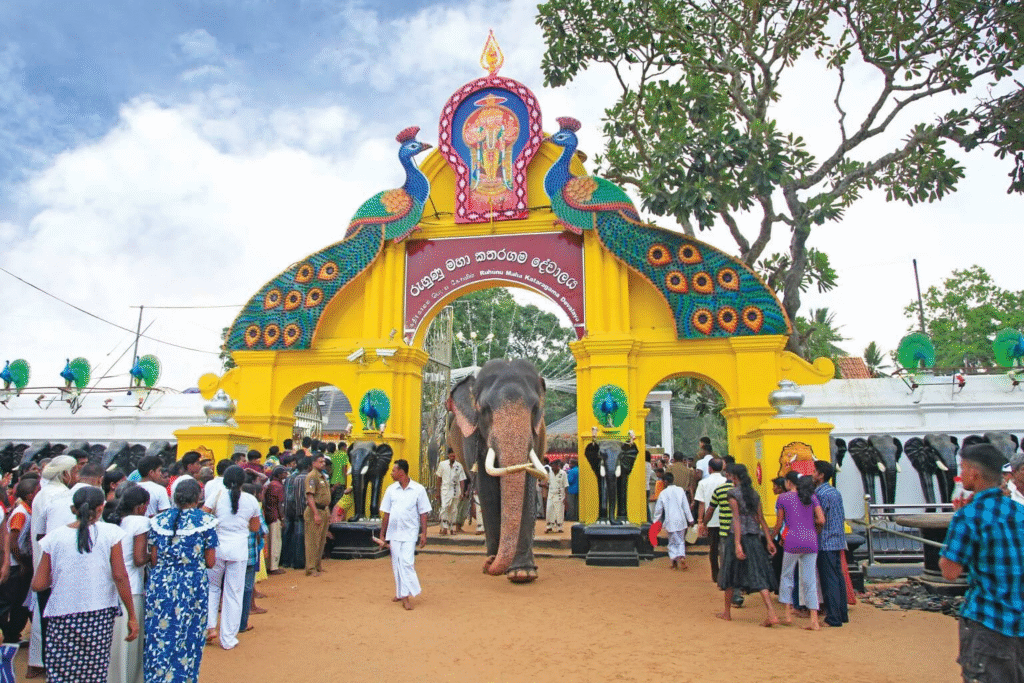
Why Visit Kataragama? Kataragama is one of the most sacred and multicultural cities in Sri Lanka, attracting Buddhists, Hindus, Muslims, and travelers from around the world. While the Kataragama Devalaya is the main highlight, the surrounding area offers stunning wildlife, ancient temples, and peaceful riverside spots. Here are the top 5 places to visit near Kataragama during your trip. 1. Kataragama Sacred City & Devalaya The Kataragama Devalaya is a revered pilgrimage site dedicated to Lord Skanda (Murugan). Pilgrims from across Sri Lanka and India gather here daily, offering fruits, flowers, and prayers. Evening rituals with drumming and fire ceremonies make it an unforgettable cultural and spiritual experience. 2. Kiri Vehera Dagoba Located just minutes from the Devalaya, Kiri Vehera is a massive white stupa dating back over 2,000 years. It is said to be built during King Mahasena’s era and holds deep importance for Buddhists. Sunrise and sunset are the best times to visit for photography and quiet meditation. 3. Yala National Park (Near Kataragama) Only a short drive away, Yala National Park is one of Sri Lanka’s top wildlife destinations. Home to the world’s highest density of leopards, Yala also shelters elephants, sloth bears, crocodiles, and over 200 bird species. A safari from Kataragama is the perfect blend of spirituality and adventure. 4. Sella Kataragama & Manik Ganga River Just 4 km from the main shrine lies Sella Kataragama, a picturesque village connected to the legend of Lord Murugan and his consort Valli. The Manik Ganga River flowing nearby is considered sacred, and pilgrims often bathe here before visiting the main temple. It’s a peaceful stop for both spirituality and relaxation. 5. Sithulpawwa Rock Temple (Near Buttala) Tucked inside Yala’s wilderness, the Sithulpawwa Rock Temple is an ancient monastery believed to date back over 2,000 years. The climb up its rocky summit offers panoramic views of forests and lakes, making it one of the most scenic cultural sites near Kataragama. Whether you’re a pilgrim seeking blessings or a traveler chasing culture and wildlife, Kataragama has something for everyone. From the sacred shrines and Kiri Vehera to the untamed landscapes of Yala and Sithulpawwa, these top 5 places near Kataragama will make your trip unforgettable.