
The fate of Sri Lankan players in the IPL 2026 auction.

A significant highlight of yesterday’s player auction for the 2026 Indian Premier League (IPL) was the inclusion of two Sri Lankan players among the fifteen highest-valued players in the auction. Matheesha Pathirana, the most talked-about Sri Lankan player, managed to secure the second-highest overall value of the entire auction. He was purchased by the Kolkata Knight Riders (KKR) for a staggering sum of INR 18 crore (approx. LKR 612 million). Pathum Nissanka, appearing in the auction for the first time, saw his value soar past his base price of INR 75 lakh. He was eventually bought by the Delhi Capitals (DC) for a bid of INR 4 crore. Wanindu Hasaranga was also sold during this auction, joining the Lucknow Super Giants (LSG) for his base price of INR 2 crore. However, several other Sri Lankan players who entered the auction remained unsold, with no franchises placing bids for them. These players include: Despite not being part of the auction, four other Sri Lankans will feature in the tournament through the player retention system. Nuwan Thushara is set to play for Royal Challengers Bangalore (RCB), Eshan Malinga and Kamindu Mendis for Sunrisers Hyderabad (SRH), and Dushmantha Chameera for the Delhi Capitals (DC). Summary of Sri Lankans in IPL 2026 Player Status Team Price (If Auctioned) Matheesha Pathirana Sold Kolkata Knight Riders INR 18 Crore Pathum Nissanka Sold Delhi Capitals INR 4 Crore Wanindu Hasaranga Sold Lucknow Super Giants INR 2 Crore Nuwan Thushara Retained Royal Challengers Bangalore – Kamindu Mendis Retained Sunrisers Hyderabad – Eshan Malinga Retained Sunrisers Hyderabad – Dushmantha Chameera Retained Delhi Capitals –
Hollywood director Rob Reiner and wife found dead in Los Angeles home

Hollywood star Rob Reiner and his wife, Michele Singer Reiner, were found dead at their Brentwood home on Sunday, which police describe as an apparent homicide. A spokesperson for the Reiner family confirmed the deaths on Sunday evening. “We announce with deep sorrow the tragic passing of Michele and Rob Reiner,” the family spokesperson said in a statement. “We are heartbroken by this sudden loss and ask for privacy during this incredibly difficult time.” Police said the Los Angeles Police Department is investigating the deaths as a homicide after the couple’s bodies were discovered at their home in the 200 block of Chadbourne Avenue. Reiner, 78, was a popular actor, director, and later a political activist, while his wife was a photographer and producer. Law enforcement sources also told The Times that a family member was being questioned in connection with the deaths. While not permitted to speak publicly about the ongoing investigation, a source familiar with the investigation confirmed that there were no signs of forced entry into the house. The source further stated that the Reiners had wounds consistent with stab injuries. At a press conference on Sunday evening, LAPD Deputy Chief Alan Hamilton revealed little information about the incident but said an autopsy was pending. He said detectives were working to obtain a search warrant before beginning an “extensive” investigation inside and outside the home. “At this time, the Los Angeles Police Department is not looking for anyone as a suspect or a person of interest… We won’t until we conduct our investigations and move forward,” Hamilton said. He said many family members would be questioned, but “no one is detained; no one is being questioned as a suspect.” Hamilton confirmed that the person who first reported the incident was present at the house. He said their identity would not be released at this time. On Sunday morning, Los Angeles Fire Department spokeswoman Margaret Stewart said the department was called to the home around 3:30 p.m. for medical aid. Two bodies were found inside the house. Reiner pursued a career spanning five decades in Hollywood. Early in his career, he starred as Michael “Meathead” Stivic in the popular sitcom “All in the Family” from 1971 to 1979, where he worked alongside Carroll O’Connor as Archie Bunker. As a director, Reiner directed a series of popular films, including “When Harry Met Sally,” “The Princess Bride,” and “This Is Spinal Tap.” His work took a dramatic turn when he adapted and directed Stephen King’s novella “Stand by Me” in 1986. Reiner was nominated for an Academy Award for the 1992 film “A Few Good Men.” Although it starred Jack Nicholson and Tom Cruise, the film lost to Clint Eastwood’s western film “Unforgiven.” Reiner was also a prominent political voice in Hollywood. He was the co-founder of the American Foundation for Equal Rights. That organization led the fight to overturn Proposition 8, which banned same-sex marriage. He has also been active on children’s issues for many years, leading the campaign to pass Proposition 10, the California Children and Families Initiative, which created an ambitious program for child development services. Proposition 10 is considered a landmark policy. For this effort, Reiner received support from Steven Spielberg, Robin Williams, and his own father, comedy legend Carl Reiner. Reiner was also married to Penny Marshall.
Sri Lanka Under Siege: Widespread Landslide Warnings and Mass Evacuations Amid Relentless Rainfall
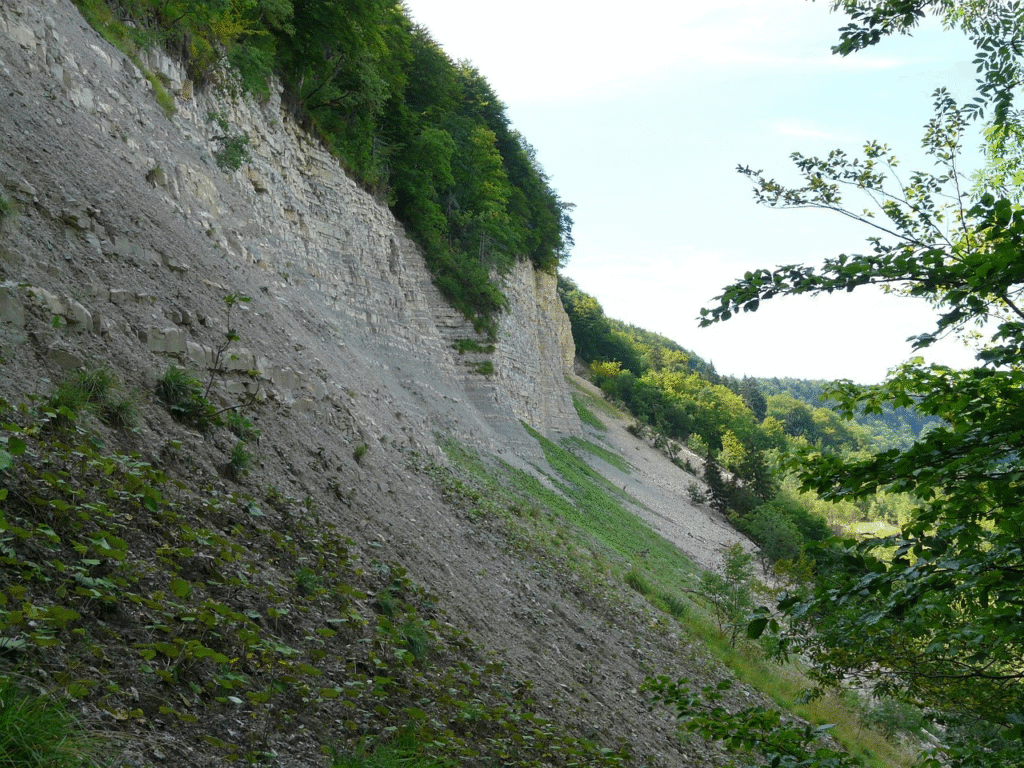
COLOMBO, Sri Lanka – Sri Lanka is currently grappling with a severe natural disaster as incessant heavy rainfall has triggered widespread landslide warnings and necessitated urgent evacuations across multiple districts. The past 48 hours have seen a dramatic escalation in alerts from the National Building Research Organisation (NBRO) and coordinated responses by the Disaster Management Centre (DMC), as the nation confronts rising floodwaters and treacherous earth slips. The situation remains critical, with a mounting death toll and thousands displaced, highlighting the island’s acute vulnerability to extreme weather events. Red Alerts Issued: Immediate Evacuations in High-Risk Zones The National Building Research Organisation (NBRO) has escalated its landslide warnings to a Level 3 ‘Red Alert’ for numerous divisional secretariat divisions across Badulla, Kandy, Matale, and Nuwara Eliya districts, urging immediate evacuation for residents in these highly vulnerable areas. Specific areas under the gravest threat include Haguranketha, Walapane, Nildandahinna, and Mathurata in the Nuwara Eliya District, and Ududumbara in the Kandy District. Further Level 3 warnings have been extended to Badulla, Hali Ela, Kandeketiya, Passara, Meegahakivula, Uva Paranagama, and Welimada DSDs in Badulla, alongside numerous other areas in Kandy, Kegalle, Kurunegala, Matale, Monaragala, and Nuwara Eliya. These critical warnings, some effective until 8:30 p.m. on November 27th and others until 9:00 a.m. on November 28th, underscore the persistent danger. The NBRO has emphasized that residents in landslide-prone areas must evacuate without delay as advised by local authorities. Casualties and Displacement Mount Tragically, the adverse weather has already claimed lives and caused significant displacement. As of Thursday, November 27th, the death toll from floods and landslides across Sri Lanka has risen to at least 31, with 14 individuals reported missing. The central tea-growing district of Badulla has been particularly hard-hit, where 16 people were buried alive after mountain slopes collapsed onto their homes. Another four fatalities were reported in Nuwara Eliya district due to similar incidents. (10) Facebook The Disaster Management Centre (DMC) reported on November 26th that 301 individuals from 111 families in the Passara and Haputale Haldummulla Divisional Secretariat areas of Badulla district were evacuated to safe locations. This included 197 people from 69 families in Kanaverella Estate. On November 25th, approximately 30 people in the Pettigala area of Balangoda were relocated due to immediate landslide risks, with several houses already damaged in Kumbalwela, Bandarawela, and Panwilahena, Udugama. Overall, nearly 400 homes have been damaged, and over 1,100 families have been moved to temporary shelters. Weather Forecast: More Heavy Rains Expected The Department of Meteorology has warned of continued very heavy rainfall. Forecasts indicate showers exceeding 150 mm in the Eastern, Central, and Uva Provinces, and Polonnaruwa District today (November 27th), with other areas potentially experiencing over 100 mm. A low-pressure area in the vicinity of Sri Lanka is expected to move north-northwest and intensify into a depression within the next 24 hours, exacerbating the situation. This system is predicted to bring rainfall exceeding 200 mm in Northern, North Central, Eastern, Southern, Uva, and Western provinces, and elevate flood risks, particularly in low-lying river basin areas until November 30th. Accompanying the heavy rains are very strong winds of about 60-70 kmph, expected over most parts of the island, leading to rough to very rough seas. Naval and fishing communities have been advised not to venture into the sea areas around the island until further notice. Disruptions and Emergency Response The severe weather has led to significant disruptions. The Colombo-Badulla main road near Haputale was completely blocked by a landslide, with clearing operations underway. In a critical measure to ensure student safety, the government has suspended the G.C.E. Advanced Level Examination scheduled for November 27th and 28th nationwide. The Disaster Management Centre (DMC) has urged the public to report all weather-related emergencies to their 117 hotline. Search and rescue teams have been deployed across affected districts, and safety centers have been established to provide refuge for displaced families. Residents in high-risk zones are continuously advised to remain vigilant, pay close attention to official warnings, and take all necessary precautions. Crucially, individuals evacuated from landslide-affected areas are advised against returning home until expert inspections confirm the safety of their residences. As Sri Lanka endures this challenging period, the coordinated efforts of government agencies and the vigilance of its citizens are paramount in mitigating further loss and safeguarding lives against the relentless forces of nature. The nation remains on high alert, bracing for continued adverse weather and its potential repercussions.
Sri Lanka Battles Catastrophic Weather: 31 Dead, Thousands Displaced as Storm Threat Intensifies

Colombo, Sri Lanka – November 27, 2025 — Sri Lanka is reeling from a severe bout of extreme weather, triggering a fast-growing humanitarian crisis. Over the last 24–48 hours, heavy rains, widespread flooding, and destructive landslides have devastated communities across the island. The death toll has risen to 31, with 14 people still missing, marking the country’s worst weather-related tragedy since June last year. Rising Casualties and Worsening Impact The Disaster Management Centre (DMC) confirmed that 31 fatalities have been reported since November 17. A day earlier, reports already listed 10 deaths, seven injuries, and more than 3,000 affected individuals. These figures have now sharply increased, showing the alarming pace at which the crisis is escalating. The central hill-country districts have suffered the heaviest blow: Landslides continue to be the primary killer. In the steep terrain of Badulla and Nuwara Eliya, 16 people were buried alive when saturated mountain slopes collapsed onto homes during the night. A total of 4,008 people from 1,158 families across 17 districts have been affected, with more than 1,100 families forced into temporary shelters after their homes were destroyed or seriously damaged. Storm System Strengthens — More Rain Ahead The ongoing downpours are linked to a low-pressure system in the southwest Bay of Bengal, which is expected to intensify into a depression within the next 24–30 hours. If named, the system may be called “Ditwah.” The Department of Meteorology warns of: Authorities caution that the situation could deteriorate as the system edges closer to Sri Lanka. Critical Alerts and Emergency Operations Multiple warnings have been issued: Landslide Alerts The NBRO has issued Red Level evacuation warnings for: Amber and Yellow alerts are in effect in several other districts. Flood Warnings A Red Flood Warning has been issued for downstream Gal Oya, as the Senanayaka Samudraya reservoir has reached full capacity.Multiple zones along the Mahaweli River Basin are also at risk. Maritime Advisory Fishermen and naval communities have been strictly warned to avoid all surrounding sea areas due to dangerous conditions. Emergency Hotlines Residents are advised to stay vigilant and contact:119 | 118 | 117 Disruptions Across the Island The severe weather has caused heavy disruptions to daily life: Education The Department of Examinations has postponed the 2025 A/L exam scheduled for November 27 and 28. Transportation Law Enforcement & Military Response Police have urged motorists to avoid non-essential travel and ensure vehicle safety.The Navy and Air Force have deployed boats and helicopters and are on standby for rescue missions in severely affected zones. Climate Change and The Road Ahead Climate experts warn that Sri Lanka’s increasing exposure to high-intensity monsoon events is a clear sign of climate change.The severity of this disaster highlights the urgent need for: As the nation braces for more rain and potential strengthening of the storm system, authorities urge the public to follow updates closely and prioritize safety above all else.
Sri Lanka Spurs Regional Hotel Development with Fresh Incentives and Vision for Decentralized Tourism

COLOMBO, Sri Lanka – November 26, 2025 – In a decisive move to broaden its tourism landscape and distribute economic prosperity across the island, Sri Lanka is actively championing regional hotel development through new incentives and strategic investments. Recent declarations from top government officials, coupled with significant international funding, signal a robust push towards transforming lesser-explored areas into vibrant tourist destinations. Government’s Urgent Call for Investment Beyond Colombo Just this week, on November 25, 2025, Sri Lanka’s Minister of Foreign Affairs and Tourism, Vijitha Herath, issued a compelling call to the Hotels Association of Sri Lanka. He urged investors to look beyond the capital, Colombo, and explore development opportunities in underdeveloped regions such as Jaffna, Bandarawela, Badulla, and Ampara. This initiative is part of a broader, long-term vision for balanced development and economic diversification, aiming to prevent tourism concentration and spread its benefits more widely among local communities. Minister Herath emphasized the government’s readiness to facilitate this decentralization by offering crucial land incentives. “We have ample land under Sri Lanka Tourism that is available for hotel development. We have already received several investment proposals for new hotels and tourism facilities, and we are open to more. The government is ready to facilitate this process by providing the necessary land and incentives to hotel developers,” he stated. This proactive approach is expected to stimulate hotel development and attract private investors eager to capitalize on the burgeoning regional tourism market, positioning Sri Lanka as a more diverse and sustainable destination. ADB Infusion: Fueling Sustainable Regional Tourism Further bolstering the regional development agenda, the Asian Development Bank (ADB) has approved a substantial $100 million financing package for Sri Lanka’s Sustainable Tourism Sector Development Program (STSDP). Announced in late October and receiving cabinet approval in early November 2025, this package comprises a $70 million concessional loan and a $30 million regular loan. The STSDP is designed to strategically diversify the sector by promoting untapped tourism areas, including marine tourism, and opening up new destinations. Key areas targeted for sustainable tourism and urban development under this program include the culturally rich Dambulla (encompassing Sigiriya) and the picturesque Trincomalee. The funding will support policy and institutional reforms, enhance private sector participation, and address critical infrastructure gaps, ensuring a more resilient, inclusive, and eco-friendly tourism ecosystem. The Broader Vision: National Productivity and Economic Diversification The push for regional hotel development aligns perfectly with the recently unveiled National Productivity Master Plan (2024-2029) on November 20, 2025. This ambitious plan seeks a radical economic transformation, with a strategic focus on revitalizing the critically important tourism industry. It includes comprehensive strategies for infrastructure improvements, smarter public institutions, and skill development, all of which are vital for supporting the growth of regional hospitality. The government recognizes tourism as a cornerstone of the economy, capable of contributing significantly to foreign exchange earnings and employment. By fostering regional development, Sri Lanka aims to generate income for small businesses, transportation providers, and food services, and crucially, create job opportunities for local communities that traditionally rely on agriculture and fishing. This diversification will make these regions less vulnerable to seasonal economic fluctuations. Industry Calls for Sustainable and High-Value Growth The private sector is also advocating for forward-thinking incentives. On November 26, 2025, Asoka Hettigoda, the President-elect of the Sri Lanka Tourism Hotels Association (THASL), urged the government to introduce incentives for hotels adopting environmentally responsible practices. He emphasized the need to elevate niche segments such as surfing, wellness tourism, yoga retreats, architecture tourism, and genuine community-based experiences, which often thrive in regional settings and attract high-end travelers. THASL’s ambitious goal is to increase tourism earnings to $10 billion by 2030, which would require an annual arrivals growth of 20% to reach six million visitors, coupled with a 30% increase in per-night spending. This vision underscores the importance of developing diverse, high-quality offerings across the island, not just in established urban centers. Existing and Future Investment Frameworks While new, targeted regional incentives are emerging, the Board of Investment (BOI) of Sri Lanka continues to be the primary agency facilitating foreign direct investment. Existing BOI frameworks offer attractive concessions, including preferential tax rates, tax holidays, duty exemptions, 100% foreign ownership in many sectors, and mechanisms for profit repatriation. Notably, enterprises in the Northern Province investing over USD 3 million in depreciable assets can benefit from an enhanced capital allowance of 200%. There is also ongoing work by the BOI and the Ministry of Investment Promotion to formulate a new package of incentives for the 2025 Budget, aimed at spurring investments after recent corporate tax adjustments. These upcoming policy refinements are expected to further streamline and enhance the investment climate for regional hotel projects. Outlook: A Promising Horizon for Regional Hospitality With tourist arrivals surpassing the 2 million mark by mid-November 2025, Sri Lanka’s tourism sector is demonstrating strong recovery and growth. The strategic pivot towards regional development, backed by government land incentives, significant ADB funding, and a national commitment to productivity and sustainability, paints a promising picture for hotel investors. By diversifying its offerings and spreading its economic benefits, Sri Lanka is poised to cement its position as a premier global tourist destination, rich in authentic experiences and inclusive growth opportunities.
Solo Traveler Praises Sri Lanka Police for ‘Incredible’ Response After Viral Harassment Video

Colombo, Sri Lanka — A 24-year-old New Zealand solo female traveler whose video of a sexual harassment incident went viral, sparking a global debate on women’s safety abroad, has strongly defended Sri Lanka as a tourist destination, praising locals and the Sri Lankan Police Tourism Division for their swift, proactive action. The traveler, identified as Molly, was on a solo road trip in a tuk-tuk on the eastern coast when a man on a scooter allegedly propositioned her and then exposed himself after she refused. She filmed the encounter, and the video subsequently garnered millions of views across social media platforms, drawing international criticism and prompting concerns about tourist safety. Swift Law Enforcement Action Within days of the video circulating, the Sri Lankan Police, working with the Tourism Division and local authorities, launched an intensive manhunt. The suspect, a 25-year-old local, was identified, traced, and arrested on Saturday (November 16, 2025), despite attempts to change his appearance and residence to evade capture. “Thank you to everyone who sent support, and to the Sri Lankan Tourism Police for acting so quickly,” the traveler stated, describing the police response as “incredible.” The matter is now before court, with the suspect expected to face charges shortly. Incident Does Not Define the Country Despite the disturbing experience, the New Zealander emphasized that the isolated case should not define the entire destination or its people. “One incident does not define a country, and it doesn’t define solo female travel. Sri Lanka is an incredible place, and I felt safe for my entire month on the road,” she said, encouraging other women not to let the behavior of one individual shape their view of the whole culture. She recounted an overwhelmingly positive experience throughout her travels, highlighting the kindness, generosity, and assistance she received from locals. Fostering a Vital Conversation The traveler expressed hope that the incident, and the strong reaction to it, will fuel “real conversations about women’s safety, solo travel, and the reality we still face.” However, she also addressed frustrating online comments that shifted the focus to victim-blaming, stating that women should be able to travel anywhere without fear and should not have to justify it. She noted that sexual harassment is a “harsh reality for women” everywhere, not just while traveling. Sri Lankan Police officials have acknowledged that the incident “damaged the country’s reputation” and reaffirmed their commitment to safeguarding visitors and ensuring that perpetrators are brought to justice. The traveler concludes: “Let’s keep the conversation going, but let’s also remember: the world is full of good people.” Instagram
Sony International Sends Cease & Desist to Sri Lankan TV Channel Over Suspected IP Infringement

A legal dispute is unfolding after Sony International issued a Cease & Desist letter to a Sri Lankan TV channel, accusing the network of violating its Intellectual Property Rights through one of its programmes. The letter instructs the channel to immediately stop producing and broadcasting the programme identified as infringing Sony’s content. It further warns that failure to comply will result in legal action being filed without additional notice, including a claim for damages caused by the unauthorized use of Sony’s intellectual property. Sources within the Sri Lankan TV channel say the management has been thrown into confusion and urgency since receiving the notice, with concerns mounting over the large investment already made in the programme. The channel is now reviewing its legal position as both sides await the next steps in what could become a major industry dispute.
Three-Wheeler Driving Law Dispute in Sri Lanka

Three-wheel rental companies have rejected claims made by Police Media Spokesperson ASP F. U. Wootler, who stated at a media briefing that it is “totally illegal” for foreigners to drive trishaws (three-wheelers) in Sri Lanka. In a video statement issued last week, ASP Wootler said: “We have witnessed tourists using trishaws, which is totally illegal. We have also taken legal action against the owners of these trishaws.” ⚖️ The Industry’s Counter-Argument Industry representatives asserted that the Police statement was inaccurate and contradicted long-standing laws governing foreign visitors driving vehicles in the country. They provided the following legal basis for their rebuttal: 🛵 Legal Procedure for Tourists The companies emphasized that, under this established framework, foreign nationals are permitted to operate vehicles in Sri Lanka, including three-wheelers, provided they complete a specific verification process: This process, they noted, has functioned for decades and continues to be recognized by the Department of Motor Traffic and other law enforcement authorities. 💥 Impact on Business The companies further claimed that the Police statement had created unnecessary confusion among tourists and had negatively affected their businesses. They stressed that tourists regularly and lawfully use IDPs to rent and drive three-wheelers in Sri Lanka. Several attempts by Newswire to obtain clarification from police went unanswered. Is there any specific part of this information you would like me to focus on or summarize further?
Royals Confirm Sangakkara Comeback; Dravid Out, Samson Traded for Jadeja & Curran

Rajasthan Royals have reappointed Kumar Sangakkara as Head Coach for IPL 2026, marking his return to the dugout after a one-year stint as Director of Cricket while Rahul Dravid coached the team. The franchise also bolstered its support staff, elevating Vikram Rathour to Lead Assistant Coach, and welcoming back Trevor Penney (Assistant Coach) and Sid Lahiri (Performance Coach). Shane Bond remains the fast bowling coach. Most notably, the Royals sent shockwaves through the league by trading talismanic skipper Sanju Samson to Chennai Super Kings in exchange for star players Ravindra Jadeja and Sam Curran.
Unlock Your Higher Education Dream: Applications Open for Interest-Free Student Loans!

Are you someone aspiring to pursue a degree program? If so, this announcement contains crucial information that could significantly benefit your academic journey! The Ministry of Education, Higher Education, and Professional Education has officially called for applications under the Interest-Free Student Loan Scheme. This initiative is designed to expand higher education opportunities for eligible students. Key Opportunities Eligibility and Application Details Don’t miss this opportunity to secure an interest-free loan for your degree! https://docs.google.com/forms/d/e/1FAIpQLSfy6ftRqJhWZFtVRHdTCfE6pGr4LjOuncAbEl3m26UaOuRvkQ/viewform?pli=1