Pope Leo XIV May Visit Sri Lanka: Vatican Envoy Hints at Historic Tour

COLOMBO, Sri Lanka – The prospect of His Holiness Pope Leo XIV undertaking a historic visit to Sri Lanka has emerged as a significant development, following recent high-level discussions between Vatican officials and the Sri Lankan government. Archbishop Paul Richard Gallagher, the Holy See’s Secretary for Relations with States and International Organisations, indicated that the Pontiff “may consider a visit to Sri Lanka in the near future,” a statement that has resonated deeply across the island nation and within the global Catholic community. Archbishop Gallagher’s remarks came during a courtesy call on Sri Lankan President Anura Kumara Dissanayake on November 4, 2025, at the Presidential Secretariat in Colombo. The Vatican envoy’s visit itself holds considerable weight, as it commemorates the 50th anniversary of diplomatic relations between the Holy See and Sri Lanka, a milestone underscoring a half-century of enduring ties and mutual cooperation. A Golden Jubilee Celebration and Acknowledgment of Progress The core of Archbishop Gallagher’s message conveyed the admiration held by both himself and Pope Leo XIV for Sri Lanka’s demonstrable progress, particularly in fostering peace, unity, and harmony among its diverse ethnic and religious communities. This positive assessment serves as the foundation for the potential papal visit, suggesting that the Vatican views Sri Lanka’s current trajectory favorably. President Dissanayake, in welcoming Archbishop Gallagher, expressed profound appreciation for the Vatican’s longstanding support, which has extended across vital sectors such as education and humanitarian aid, notably following the devastating 2004 tsunami. He highlighted the significant benefits reaped from five decades of diplomatic engagement, emphasizing the promotion of human dignity and consistent support during times of national need. The President also took the opportunity to extend his best wishes to Pope Leo XIV, who ascended to the papacy on May 8, 2025, becoming the first American-born Pope. His election marked a new chapter for the Catholic Church, and a visit to Sri Lanka would be one of the early, significant international journeys of his pontificate, further solidifying the nation’s place on the global Catholic map. Vatican’s Reaffirmation of Support and Collaborative Future During his comprehensive visit, which extends until November 8, 2025, Archbishop Gallagher is scheduled to participate in several key events, including a conference titled ‘The See of Rome’s Perspective and Commitment to Dialogue and Peace.’ This event, along with his courtesy calls on other high-ranking Sri Lankan officials, including Premier Harini Amarasuriya and Minister of Foreign Affairs Vijitha Herath, aims to reinforce the shared commitment to peace, cooperation, and mutual understanding. Foreign Minister Vijitha Herath, following a working meeting with Archbishop Gallagher, reiterated Sri Lanka’s pride in its multifaceted engagement with the Holy See, particularly in areas of religion, education, healthcare, interfaith dialogue, and humanitarian cooperation. Minister Herath emphasized the crucial role played by the Catholic community in Sri Lanka in nation-building, social cohesion, and charitable work, acknowledging their multi-ethnic composition as a bridge in Sri Lanka-Vatican relations. The Archbishop, in turn, reaffirmed the Vatican’s unwavering support for Sri Lanka’s ongoing efforts to strengthen ethnic and religious harmony and consolidate economic stability. This reassurance comes at a critical juncture for Sri Lanka, underlining the Holy See’s commitment to the nation’s journey towards lasting peace and prosperity. Historical Context and Future Implications Sri Lanka has a rich history of welcoming papal visits, with previous pontiffs including Pope Paul VI in 1970, Pope John Paul II in 1995, and Pope Francis in 2015, all of whom left indelible marks on the hearts of the Sri Lankan people and strengthened the spiritual bonds. A potential visit by Pope Leo XIV would not only continue this cherished tradition but also symbolize a renewed hope for spiritual guidance and international recognition of Sri Lanka’s strides in reconciliation. The discussions between Archbishop Gallagher and Sri Lankan leadership signal a deepening of diplomatic ties and a mutual desire for continued collaboration on global issues, including environmental sustainability and challenges facing developing nations. Sri Lanka has also expressed its readiness to work closely with the Holy See at the United Nations and other multilateral forums. While no definitive dates or itineraries have been announced, the Vatican envoy’s statements have ignited anticipation across Sri Lanka. The potential visit of Pope Leo XIV would undoubtedly be a monumental event, further solidifying the nation’s spiritual landscape and its standing as a beacon of interfaith understanding in the Asian region. The coming months will likely see further developments as diplomatic channels continue to explore the feasibility and details of such a significant pastoral journey.
Sri Lanka’s Sporting Renaissance: A Flood of Medals at Asian Youth Games and South Asian Athletics

The spirit of Sri Lankan athletics is soaring, ignited by a remarkable series of achievements on the international stage over the past few days. Athletes representing the island nation have brought home a significant haul of medals from both the Asian Youth Games (AYG) in Bahrain and the South Asian Athletics Championships (SAAC) in India, signaling a promising future for the country’s sports landscape. Youthful Glory: Sri Lanka’s Historic Performance at Asian Youth Games 2025 The nation erupted in cheers as the Sri Lankan contingent returned home on Sunday, November 2nd, following their participation in the 3rd Asian Youth Games held in Bahrain. The young athletes delivered an impressive performance, securing a total of seven medals – one Gold, one Silver, and five Bronze – a testament to their dedication and burgeoning talent. A standout moment in Sri Lankan sports history was etched by Lahiru Achintha of St. Aloysius National School, Ratnapura, who clinched the gold medal in the fiercely contested boys’ 1,500-meter event. This victory marks Sri Lanka’s first-ever gold medal at the Asian Youth Games, a monumental achievement celebrated across the island. The jubilant team received a hero’s welcome at the Bandaranaike International Airport (BIA), where they were greeted by Minister of Sports and Youth Affairs Sunil Kumara Gamage, Deputy Minister Sugath Thilakaratne, members of the National Olympic Committee of Sri Lanka (NOCSL), proud teachers, and enthusiastic parents. Beyond Achintha’s golden feat, the Boys Medley Relay Team added a silver medal to the tally, demonstrating collective strength and coordination. Individual brilliance also shone through with Shanuka Costa of Gateway College, Colombo, securing a bronze in the boys’ 400m, and Chathura Dulanjana from Weera Parakrama Secondary School, Yatawatta, earning a bronze in the javelin throw. Nethmi Gimhani (also referred to as Sandeepa Gimhari) claimed a bronze in the girls’ 1500m final, further underscoring the depth of talent emerging from Sri Lanka’s youth ranks. Notably, Kaya Daluwatte also secured a bronze in golf, an achievement made even more remarkable by the tournament rules that prevented a single nation from sweeping all podium positions. It is particularly significant that the athletics team, comprising a lean contingent of just 21 members, was responsible for six of the seven medals. This highlights the immense potential and targeted training within Sri Lanka’s track and field programs, especially when viewed against the backdrop of a larger 100-athlete delegation competing across 12 sports. The National Olympic Committee of Sri Lanka (NOCSL) has consistently reiterated its commitment to empowering young athletes and providing them with invaluable international exposure, a strategy that is now clearly bearing fruit. Dominance in the Region: South Asian Athletics Championships 2025 While the Asian Youth Games celebrated emerging talents, Sri Lankan athletes simultaneously showcased their prowess at the 4th South Asian Senior Athletics Championships in Ranchi, India. The nation’s contingent delivered an outstanding performance, finishing second overall with a remarkable haul of 40 medals, including 16 Gold, 14 Silver, and 10 Bronze. The significant contribution of the Sri Lanka Army athletes to this success was officially recognized, with 30 of the 59 national representatives hailing from the armed forces. Lieutenant General Lasantha Rodrigo, Commander of the Army, recently felicitated these medalists, highlighting their dedication and presenting cash incentives to encourage future triumphs. Among the star performers were Shafiya Yamick, who clinched gold in both the women’s 100m and 200m events, setting a new meet record in the 200m. Chamod Yodasinghe matched her sprinting excellence, securing gold in the men’s 100m. Other notable gold medalists include Tharindu Dasun Samaraweera in high jump, Pasindu Malshan in men’s triple jump, and Madushani Herath, who not only won gold in women’s triple jump with a new meet record but also added a gold in the long jump. Further gold medals were secured by Dasuni Kaushalya (Women’s 400m Hurdles), Rumesh Tharanga (Men’s javelin throw), Dilhani Lekamge (Women’s javelin throw), Harsha Karunarathne (Men’s 800m), and Methmi Wijesuriya (Women’s 10,000m). The collective strength of the Sri Lankan team was also evident in their gold-medal-winning performance in the Men’s 4x400m relay. Looking Ahead: Sustaining the Momentum These recent successes underscore a critical juncture for Sri Lankan sports. While the athletes have demonstrated their capability on the continental and regional stages, the challenge now lies in sustaining and building upon this momentum. The 14th South Asian Games, now rescheduled for November 2025 in Pakistan, presents another significant opportunity for Sri Lanka to reaffirm its sporting prowess. Preparations are already underway, with Sri Lanka Athletics actively identifying and training a national pool of over 50 athletes for upcoming international events, including the South Asian Senior Athletic Championships and other major competitions in 2025. However, the broader ecosystem of sports governance remains crucial. Recent reports of funding suspensions to the National Olympic Committee of Sri Lanka by the International Olympic Committee (IOC) and the Olympic Council of Asia (OCA), due to allegations of corruption and governance failures, highlight areas needing urgent reform. Encouragingly, new 2025 regulations for National Sports Associations in Sri Lanka aim to enhance transparency, accountability, and integrity, signaling a concerted effort to create a more robust and ethical sporting environment. The remarkable achievements of Lahiru Achintha, Shafiya Yamick, and their fellow medalists are not just individual triumphs; they are beacons of hope and inspiration for a nation passionate about sports. With continued investment in grassroots development, athlete welfare, and sound governance, Sri Lanka is well-positioned to achieve even greater success at future South Asian and Asian Youth Games, solidifying its place as a formidable force in regional athletics.
Sri Lanka’s Tourism Sector Sees Robust Growth in October 2025, Eyes Strong Finish to the Year
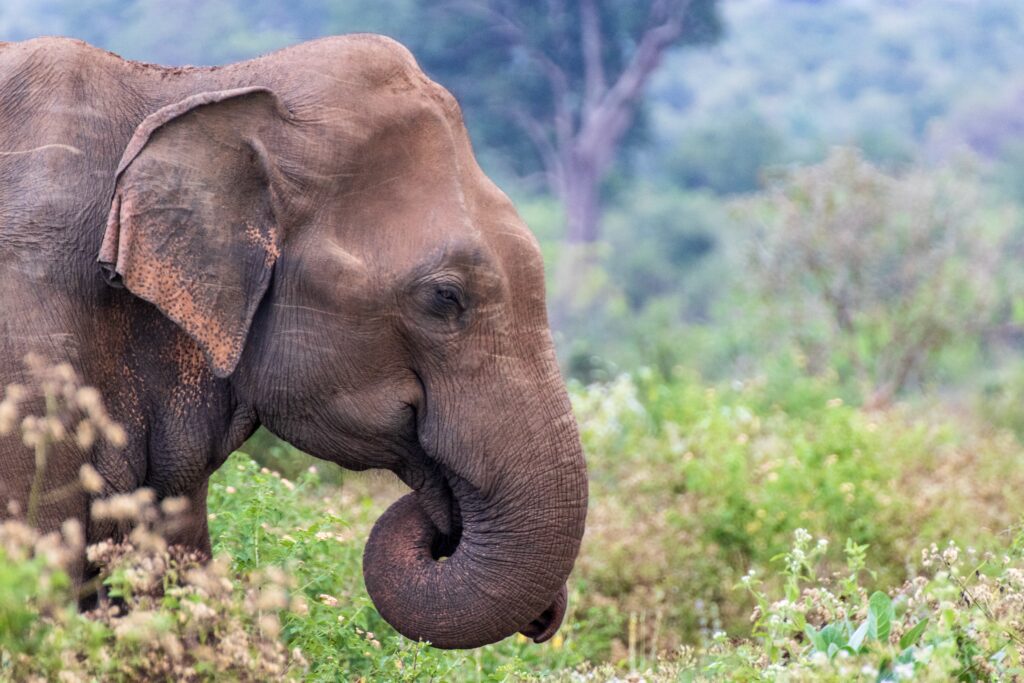
COLOMBO, Sri Lanka – As October 2025 draws to a close, Sri Lanka’s tourism sector is celebrating a significant surge in international arrivals, reinforcing its position as a burgeoning global travel destination. The latest figures released by the Sri Lanka Tourism Development Authority (SLTDA) indicate a robust year-on-year growth, signaling renewed confidence and strategic momentum within the industry. In the first 26 days of October 2025, Sri Lanka welcomed an impressive 137,876 tourists, marking a substantial 21.8 percent increase compared to the corresponding period in 2024. This positive performance has elevated the cumulative tourist arrivals for the year to date, reaching 1,863,370 by October 26, 2025, reflecting a 16.6 percent expansion over the previous year. India Leads the Charge, Diverse Markets Contribute to Growth India continues to be the primary driver of this growth, with Indian nationals accounting for the largest share of visitors in October. In the first 26 days of the month, 41,095 tourists arrived from India, representing nearly 29.8 percent of all arrivals. This dominance extends to the year-to-date figures, with India contributing 416,387 arrivals, solidifying its role as Sri Lanka’s leading source market. Beyond India, other key international markets are also making significant contributions. For October, the United Kingdom, China, the Russian Federation, and Germany emerged as prominent contributors, welcoming 11,033, 9,599, 8,507, and 7,956 tourists respectively. Cumulatively for 2025, the top five source countries are rounded out by the United Kingdom (172,926), Russian Federation (130,651), and Germany (114,944). Ambitious Targets and the Road Ahead Despite this commendable growth, the Sri Lanka Tourism Development Authority (SLTDA) acknowledges the challenges in meeting its ambitious full-year targets for 2025. The SLTDA’s projections include a ‘Lower Scenario’ of 2.415 million arrivals, a ‘Conservative Scenario’ of 2.676 million, and an ‘Optimistic Scenario’ of 3.0 million visitors. With the current year-to-date total at 1.86 million, a significant surge in arrivals during November and December will be crucial to reach even the lower end of these goals. This urgency is also reflected in the revenue targets; tourism earnings reached over $2.03 billion from January to August 2025, a 7.8% year-on-year increase, but the sector needs to generate over $2.9 billion in the final four months to achieve its $5 billion annual target. Strategic Initiatives Fueling Momentum Several strategic initiatives are contributing to the sustained momentum in Sri Lanka’s tourism sector. Enhanced air connectivity is playing a pivotal role, with new airlines and expanded flight routes boosting accessibility. Kuwait Airways is set to resume operations, while Belavia Airlines, Red Wings Airlines, Edelweiss/SWISS International Air Lines, and Enter Air are either launching or expanding their services to Sri Lanka, particularly to Bandaranaike International Airport (BIA) and Hambantota International Airport. The Airport and Aviation Services (Sri Lanka) (Private) Limited (AASL) is also introducing 12 additional check-in counters as a short-term measure for the winter season, operational from November 1, 2025, to accommodate increased demand. Furthermore, strategic visa reforms and dynamic destination marketing campaigns are enhancing Sri Lanka’s appeal. The country actively participated in prestigious international luxury travel events such as Luxperience 2025 in Sydney from October 7-10, showcasing its vibrant offerings and strengthening partnerships with global travel operators. These efforts align with the broader goal of positioning Sri Lanka as a world-class luxury destination. International Support and Future Development The global community is also recognizing and supporting Sri Lanka’s tourism recovery. The Asian Development Bank (ADB) recently approved a $100 million loan to bolster the sector, with a specific focus on developing the Dambulla and Trincomalee areas. This funding package will support crucial policy reforms and targeted infrastructure investments, aligning with the country’s National Tourism Policy. A World Bank report released this month (October) commended Sri Lanka’s stronger-than-expected growth in tourism and remittances, further underlining the sector’s positive trajectory. Adding to the positive sentiment, Lonely Planet recently named Jaffna among its ‘Best Cities to Visit in 2026’, a recognition that is expected to further boost the island’s appeal and diversify its tourism offerings. Addressing Challenges: Infrastructure and Sustainability While the growth figures are encouraging, industry stakeholders are keenly aware of the need for continuous improvement. The All-Island Association of Small and Medium Tourism Entrepreneurs has highlighted the importance of a clear and urgent plan to enhance tourism infrastructure to support the rising influx of visitors and ensure a high-quality experience. Addressing these infrastructural gaps and promoting sustainable tourism practices will be crucial for long-term growth and the realization of Sri Lanka’s ambitious targets. Outlook for Peak Season With the peak tourism season commencing in November and extending through February, the industry remains optimistic. The combination of increased air connectivity, strategic marketing, international investments, and positive global recognition sets a promising stage for Sri Lanka to capitalize on the upcoming months. The sustained growth in October serves as a strong indicator that the nation is well on its way to cementing its status as a premier travel destination, contributing significantly to its economic revival.
Ultimate Guide to Fun Activities in Colombo: Your Adventure Map

The Ultimate Guide to Thrilling Entertainment Spots and Fun Activities in Colombo, Sri Lanka Colombo, the vibrant commercial capital of Sri Lanka, is a hotspot for thrilling entertainment and leisure activities. Consequently, if you are searching for the best **Fun Activities in Colombo**, you’ve come to the right place! Indeed, the city offers a diverse range of venues guaranteed to deliver maximum fun. Therefore, we’ve compiled a definitive list of the best places to hang out, from immersive virtual reality zones to adrenaline-pumping water sports. For more travel tips, furthermore, check out our Top Colombo Guides. Top Indoor Entertainment Hubs for Fun Activities in Colombo To begin with, Colombo’s modern shopping complexes double as mega-entertainment centers, thereby housing multiple thrilling activities under one roof. **Colombo City Centre (CCC) – Gaming, Bowling, and Shooting** First and foremost, Colombo City Centre is a prime destination for high-octane fun, hosting a trifecta of popular entertainment concepts that cater to gamers and thrill-seekers alike. In short, this spot is a central hub for diverse **Colombo entertainment**. Fun Island Colombo City Center: A popular family entertainment center packed with arcade games, rides, and activities for all ages. AVR Colombo: Known for cutting-edge VR experiences and immersive gaming simulators. Counter Strike Bowling Colombo City Center: A modern bowling alley perfect for friendly competition. Shooting Arena Colombo City Center: Test your precision and aim at a state-of-the-art indoor shooting range (often air rifle or similar simulation). Address: 137 Sir James Pieris Mawatha, Colombo 00200, Sri Lanka. Google Map: View Colombo City Centre on Map **Pladium One Galle Face – Premium Indoor Gaming** Similarly, located within the upscale One Galle Face Mall, Pladium is an expansive indoor entertainment arena. Specifically, it features a wide array of arcade games, redemption games, and virtual reality rides, making it a fantastic spot for both kids and adults looking for **fun activities in Colombo**. Address: Level 4, One Galle Face Mall, Colombo, Sri Lanka. Google Map: View One Galle Face on Map **9D Cinema Marino Mall – Sensory Overload** Moreover, for a short, intense burst of fun, the 9D Cinema at Marino Mall is a must-try. Essentially, this attraction combines 3D film effects with motion, vibration, and environmental effects like wind and snow, offering a truly immersive cinematic experience. Address: Marino Mall, 590 Galle Road, Colombo 00300, Sri Lanka. Google Map: View Marino Mall on Map Outdoor & Unique Fun Activities Near Colombo **Pearl Bay Bandaragama – Waterpark and Karting Thrills** Moving away from the city center, Pearl Bay Bandaragama is a short drive from Colombo and stands as Sri Lanka’s first international standard leisure park. Above all, it’s the ideal spot for a full-day family outing, featuring a waterpark (SplashBay), an FIA-CIK certified Go-Karting track (SpeedBay), and other thrilling activities like archery and shooting. Ultimately, this is one of the best out-of-city **fun activities in Colombo**’s greater area. Address: Maithree Mawatha, Bandaragama, Sri Lanka 12530. Google Map: View Pearl Bay on Map **Soapy Island Galle Road Katubedda – Wet and Wild Fun** Furthermore, for something truly unique, head to Soapy Island for a round of soap football! This hilarious, slippery twist on soccer is played on an inflatable field covered in soap and water, which means it promises a fun, messy, and unforgettable experience perfect for groups of friends. Address: Katubedda, Moratuwa, Sri Lanka. Google Map: View Soapy Island on Map **Puttputt Mini Golf (Adventure Golf)** Finally, the timeless fun of mini golf is available in the heart of Colombo. Specifically, Puttputt (often known as Adventure Golf) offers a themed 18-hole course with challenging obstacles, thereby providing a relaxed yet competitive activity for dates or family outings. Simply put, it’s an excellent way to enjoy an afternoon of **Colombo entertainment**. Address: Arcade Independence Square, Colombo, Sri Lanka. (Using the location for Adventure Golf – a popular mini golf course in Colombo) Google Map: View Arcade Independence Square on Map In conclusion, whether you’re seeking virtual thrills, physical challenges, or hilarious water-based games, Colombo’s entertainment landscape has something for everyone. Therefore, use this guide to plan your next exciting adventure!
Sri Lanka Crowned World’s No. 1 Travel Destination for October 2025: A Deep Dive into Its Unrivalled Appeal and Recent Triumphs

COLOMBO, Sri Lanka – October 2, 2025 – In a resounding endorsement of its growing global allure, Sri Lanka has officially been named the world’s number one travel destination for October 2025 by the esteemed global travel guide, Time Out. This prestigious accolade, announced in late September, solidifies the island nation’s position on the international tourism stage, drawing unprecedented attention just as the shoulder season begins to weave its magic across its diverse landscapes. The timing couldn’t be more perfect, with recent statistics revealing a record-breaking influx of visitors and significant industry recognition further amplifying Sri Lanka’s appeal. The announcement from Time Out highlights October as an ideal month to explore Sri Lanka, offering a harmonious blend of favorable weather conditions across much of the country, fewer crowds, and more attractive pricing for travelers. The guide lauded Sri Lanka for its unique combination of culture, adventure, and breathtaking natural beauty—a triumvirate of experiences that few other destinations can rival. Unpacking Time Out’s Endorsement: Why October is the Golden Month Time Out’s commendation for October stems from several key factors that make this month particularly advantageous for visitors. As the inter-monsoon period transitions, travelers can expect a mix of sunshine and pleasant tropical showers, creating lush, vibrant scenery without the peak-season rush. This ‘shoulder season’ allows for more authentic engagements with local culture and attractions, from the golden beaches of Mirissa and Bentota to the ancient wonders of Sigiriya Rock Fortress and the serene tea plantations of Nuwara Eliya. Beyond its iconic landmarks, Sri Lanka’s rich tapestry of experiences includes thrilling wildlife safaris in national parks like Yala and Udawalawe, where elephants, leopards, and an array of exotic animals roam freely. The scenic train journey from Kandy to Ella, winding through misty emerald hills and past cascading waterfalls, remains a bucket-list experience, celebrated for its breathtaking mountain views. A Surge in Visitor Arrivals: The Numbers Speak for Themselves The Time Out ranking arrives amidst a remarkable resurgence in Sri Lanka’s tourism sector. Just yesterday, on October 1st and 2nd, new data revealed a record-breaking September for tourist arrivals, with an impressive 158,971 visitors flocking to the island. This significant 30.2 percent increase from the previous year underscores the nation’s unstoppable growth and global attraction. The total number of tourists for 2025 has now reached a robust 1,725,494, demonstrating a strong recovery and a positive trajectory for the industry. India remains the largest source of tourists, followed by key European markets like the United Kingdom, Russia, and Germany, highlighting the broad international appeal of the island. This surge is attributed not only to the island’s inherent charm but also to strategic efforts in improving connectivity, expanding medical and wellness tourism, and ensuring a seamless visitor experience. Sri Lanka’s focus on rejuvenating its infrastructure and showcasing its diverse cultural heritage has significantly enhanced its global standing. Accolades and Achievements: Sri Lanka Shines at SATA 2025 Adding to the wave of positive news, Sri Lanka recently hosted and triumphed at the 9th South Asian Travel Awards (SATA) 2025, held in Colombo in late September. The event celebrated excellence in South Asian hospitality, travel, and aviation, where Sri Lanka secured prestigious Visitors’ Choice Awards for ‘Leading MICE (Meetings, Incentives, Conferences, and Events) Destination’ and ‘Leading Wellness Destination’. These wins are a testament to Sri Lanka’s burgeoning capacity for business tourism and its well-established reputation for holistic well-being offerings. Furthermore, local industry leaders received significant recognition, with Aitken Spence Travels winning ‘South Asia’s Best Inbound Travel Agent’ for the third consecutive year. Such awards underscore the dedication and innovation within Sri Lanka’s tourism industry, reinforcing its commitment to providing world-class experiences. The Economic Ripple Effect and Future Outlook Being named the No. 1 travel destination for October 2025 by Time Out is more than just a public relations victory; it carries clear economic implications. This international recognition is expected to boost off-peak tourism, leading to higher occupancy rates in hotels, increased activity in restaurants, and better utilization of transport infrastructure. This provides a more stable cash flow for small businesses reliant on tourism and contributes significantly to the national economy. The current momentum, fueled by both this prestigious ranking and concrete visitor numbers, positions Sri Lanka for continued success. The island nation’s ability to offer a captivating mix of sun-drenched beaches, ancient history, vibrant culture, and thrilling wildlife, coupled with a welcoming atmosphere, makes it an irresistible choice for travelers seeking both adventure and serenity. As October unfolds, Sri Lanka is poised to deliver on its promise as the world’s premier travel destination, inviting explorers to discover its timeless beauty and warm hospitality.
Sri Lanka to End Free Polythene Shopping Bags from November 1: A New Era in Plastic Management
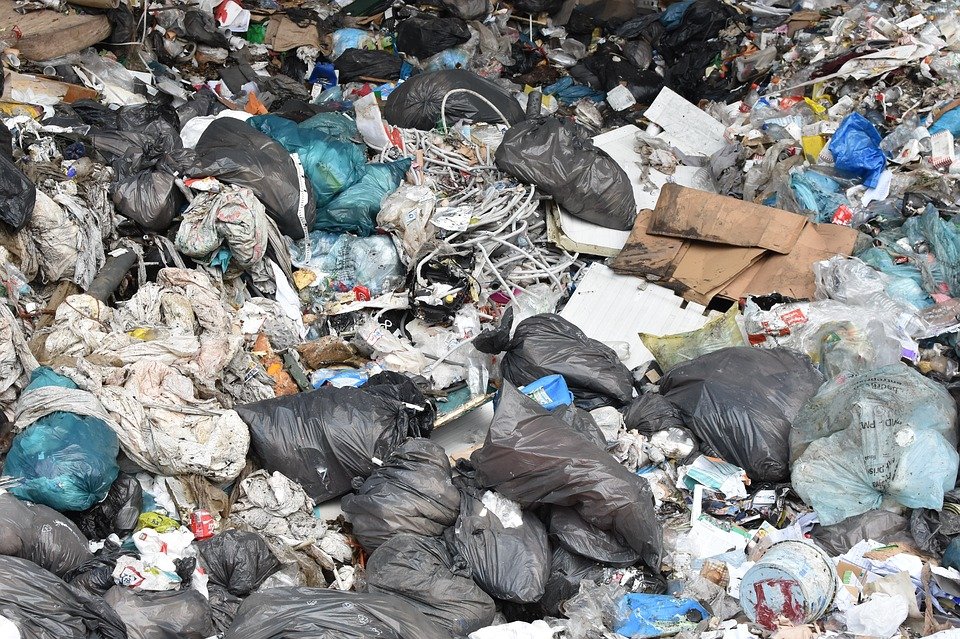
In a significant stride towards mitigating environmental degradation, Sri Lanka is poised to implement a nationwide ban on the free distribution of polythene shopping bags, effective November 1, 2025. This pivotal policy shift, confirmed by the government to the Supreme Court on Wednesday, October 1, 2025, marks a decisive escalation in the island nation’s ongoing battle against pervasive plastic pollution in Sri Lanka. The latest directive mandates that supermarkets and other retail outlets will be required to charge customers for shopping bags from the beginning of next month. This move is anticipated to fundamentally alter consumer habits and significantly reduce the sheer volume of single-use polythene bags that have long plagued Sri Lanka’s natural landscapes and urban environments. The Supreme Court’s Mandate and Environmental Advocacy The government’s commitment to this ban was presented during the hearing of a fundamental rights petition lodged by the Centre for Environmental Justice (CEJ). The CEJ had ardently argued for stronger legislative and enforcement measures to curb plastic use, highlighting the detrimental environmental impact of unchecked polythene distribution. The petitioners had previously raised concerns that authorities had failed to act on an agreement made in March 2024 to impose a levy on shopping bags. Following the government’s assurance that a gazette notification would be issued to effect the ban, the Supreme Court concluded its hearings on the case. This legal intervention underscores the critical role of environmental advocacy groups in holding authorities accountable and pushing for tangible policy changes. The transition from free bags to a mandatory charge represents a practical mechanism to internalize the environmental cost of plastic, thereby discouraging its casual use and encouraging consumers to adopt reusable alternatives. A Legacy of Bans: Sri Lanka’s Persistent Plastic Challenge Sri Lanka has a history of proactive legislative measures aimed at curbing plastic pollution, with various bans introduced over the past two decades. The journey began in January 2007 with a prohibition on polythene less than 20 microns. Subsequent years saw an expansion of these restrictions; in 2017, the scope broadened to include thin polythene bags, and by 2021, items such as sachets, inflatable toys, and plastic-stemmed cotton buds were added to the prohibited list. Most recently, October 2023 witnessed a ban on nine more single-use plastic (SUP) items, including straws, stirrers, cups, plates, and string hopper trays. Despite these commendable regulatory efforts, the effectiveness of previous bans has often been hampered by challenges in implementation and enforcement. Reports indicate that banned plastic items continue to be found in markets due to factors such as the availability of poor-quality alternatives, persistent consumer demand, and insufficient enforcement mechanisms. The Staggering Scale of Plastic Waste The urgency behind these new measures is highlighted by the alarming statistics of plastic waste generation in Sri Lanka. The nation produces over 1.6 million metric tonnes of plastic waste annually, with approximately 70% categorized as single-use plastics. A significant portion of this — an estimated 171,561 tonnes or about 69% of the country’s annual plastic waste remains unmanaged, frequently ending up in landfills, being incinerated, or leaking into vital ecosystems, including the ocean. This unmanaged waste contributes to severe environmental problems, from blocked drains that foster disease vectors like dengue mosquitoes to the degradation of pristine beaches crucial for the tourism industry. Towards a Circular Economy: Beyond Bans Recognizing that bans alone are insufficient, Sri Lanka is also exploring broader strategies to tackle plastic pollution. The country is actively pursuing Extended Producer Responsibility (EPR) initiatives, which aim to hold manufacturers and importers accountable for the entire lifecycle of their plastic products, thereby promoting better design and take-back systems. The Central Environmental Authority (CEA) has announced plans for new laws requiring companies to collect plastic packaging after use, fostering a closed-loop waste management system. The “National Action Plan on Plastic Waste Management 2021–2030” outlines ambitious goals, including an 80% reduction in problematic single-use plastics and an 80% collection and recycling rate of all plastic waste by 2025. Furthermore, global partnerships are contributing to local efforts. In April 2025, the United Nations Development Programme (UNDP) and The Coca-Cola Foundation launched a $1.1 million project to establish a comprehensive plastic waste management framework in seven local authorities within the Colombo District. Awareness campaigns also form a crucial pillar of the strategy. World Environment Day 2025, observed on June 5, saw Sri Lanka launch a “National Environment Week” under the theme “Let’s End Pollution Caused by Plastic,” promoting the “5Rs” (Rethink, Refuse, Reduce, Reuse, and Recycle) among the public. The Road Ahead: Enforcement and Public Participation While the impending ban on free polythene shopping bags from November 1, 2025, marks a critical and timely intervention, its success will heavily depend on robust enforcement and widespread public cooperation. The Ministry of Environment had previously proposed a levy or surcharge on disposable bags in August 2025, recognizing that a floor price alone was insufficient and that charging for bags had proven successful in other nations. The challenge for Sri Lanka now lies in translating policy into consistent practice, overcoming the hurdles of illegal imports and production, and fostering a societal shift towards truly sustainable consumption. This latest measure is not just about banning an item; it’s about reshaping a mindset and demonstrating a stronger national commitment to environmental stewardship. As Sri Lanka steps into this new phase of plastic regulation, the collective effort of the government, businesses, and citizens will be paramount in achieving a cleaner, greener future.
Google Unlocks Advanced AI for Sri Lankan Students: A Digital Transformation Game-Changer

Colombo, Sri Lanka – In a groundbreaking announcement that promises to redefine the landscape of digital education in Sri Lanka, Google has committed to providing free access to its advanced Artificial Intelligence (AI) tools, including the powerful Gemini platform, for students across the island. Revealed just yesterday, on September 29, 2025, at the inaugural National AI Expo and Conference 2025 in Colombo, this initiative marks a monumental leap forward for Sri Lanka’s technological future. Historic Partnership to Democratise AI Access The landmark partnership was unveiled by Eng. Eranga Weeraratne, the Deputy Minister of Digital Economy, who hailed it as a “game-changer” for the nation. After months of dedicated collaboration between the Ministry of Digital Economy and Google, the agreement ensures that every Sri Lankan student will soon gain free access to world-class AI tools, cloud computing platforms, and digital learning resources. This unprecedented move is designed to level the playing field, putting Sri Lankan students on par with their global counterparts and fostering a generation ready to thrive in the AI-driven world. Empowering the Next Generation with Gemini Advanced Central to this initiative is the free provision of Google’s advanced AI platform, Gemini, which includes its premium features and other student benefits. While the specific rollout details are expected from mid-October, this encompasses tools like Gemini Advanced (or Gemini 2.5 Pro), a versatile AI assistant capable of aiding with complex assignments, research, and creative tasks. Students can expect functionalities such as enhanced research capabilities, personalized study guides, and assistance in writing and brainstorming. The broader Google AI Pro plan, which appears to align with this offer, typically includes expanded access to Gemini 2.5 Pro for unlimited chats and image uploads, Deep Research for comprehensive reports, NotebookLM as a thinking companion, and a generous 2 TB of cloud storage for academic projects and personal files. These resources are poised to dramatically enhance learning, problem-solving, and innovation across various disciplines. Beyond Usage: The Call for Mastery and Ethical Responsibility Deputy Minister Weeraratne emphasized that the goal extends far beyond merely using AI; it is about nurturing mastery among the next generation. “We don’t just need to use AI. We want every single one of you to master it,” he stated to a packed audience. He also underscored the critical importance of ethical responsibility that accompanies such powerful access, urging students to wield these tools wisely, ethically, and for the greater good of Sri Lanka and the world. This ethical framework is crucial as students delve into sophisticated AI capabilities, ensuring they understand the implications and apply these technologies constructively for building, innovating, and solving contemporary challenges. Catalysing Sri Lanka’s Digital Economy and AI-Ready Workforce This initiative is a cornerstone of the Sri Lankan government’s broader vision to accelerate the creation of a smarter, more prosperous, and inclusive digital economy. By integrating AI and data literacy into the national curriculum and launching upskilling programs, the nation aims to build a truly AI-ready workforce. The Deputy Minister further outlined Sri Lanka’s comprehensive AI strategy, which rests on four pillars: building an AI-ready workforce, nurturing startups with incubators and state-backed funding, ensuring inclusivity for all citizens, and safeguarding digital trust through robust cybersecurity frameworks. Complementing this, the announcement also included plans for a national AI Fund of Funds, set to launch in January 2026, aimed at fostering startups, innovation, and local research. Furthermore, the establishment of a sophisticated National Cyber Security Operations Centre, designed to leverage AI for enhanced defenses, highlights the government’s commitment to securing the digital landscape. A Vision for a Smarter Future Positioning AI as the “new electricity,” Weeraratne articulated how it could transform vital sectors such as healthcare, farming, tourism, and education in Sri Lanka. Imagining doctors in rural clinics gaining instant AI-driven second opinions, farmers receiving predictive data, and tourists experiencing personalized services through AI recommendations, he painted a vivid picture of a future empowered by artificial intelligence. The free access to Google AI tools for Sri Lankan students is more than just a technological handout; it is an investment in human capital and a testament to the nation’s commitment to embracing the digital revolution. This strategic move is expected to significantly boost Sri Lanka’s national capacity in AI development and digital literacy, empowering the next generation to innovate, solve complex challenges, and compete effectively on a global scale.
Oldest Living Man in Sri Lanka: The Recognition of Bolland Hakuru Meniyel

In a heartwarming and significant development for the island nation, Sri Lanka has officially recognized Bolland Hakuru Meniyel as its oldest living man (The oldest living man in Sri Lanka). The momentous announcement, coming from the National Secretariat for Elders, confirms Meniyel, a venerable resident of Karandeniya in the Galle District, to be an astounding 110 years old. This long-awaited recognition brings to light a life rich in history, resilience, and the simple virtues often attributed to exceptional longevity. The news, breaking over the last 24-48 hours, has resonated across Sri Lanka, turning the spotlight on a national treasure. A Century of Life: The Remarkable Journey of Bolland Hakuru Meniyel, The Oldest Living Man in Sri Lanka Born on June 4, 1915, Bolland Hakuru Meniyel’s life spans over a century of profound changes in Sri Lanka and the world. His old national identity card served as the pivotal document in verifying his advanced age, leading to this official declaration. Meniyel, a dedicated farmer by profession, has spent his entire life immersed in the agricultural traditions of his homeland, particularly focusing on cinnamon cultivation and contributing actively to his village community. This deep connection to the land and a life of industrious labor are often cited by his family and local residents as key contributors to his remarkable health and enduring spirit. Despite his extraordinary age, Meniyel continues to exhibit impressive faculties. Reports indicate that he remains in good health, possessing the ability to read and write, having received education up to Grade 5. His family fondly attributes his prolonged and healthy existence to a regimen of simple living and a diet notably free of toxins. Beyond his agricultural pursuits, Meniyel was renowned locally for his devout participation in religious activities, attending village pirith ceremonies steadfastly until he reached the age of 75. He is a proud father of nine children, and today, he continues to be surrounded by and enjoy the immense affection of his extensive family, including numerous grandchildren and great-grandchildren. Official Acknowledgment and Community Pride The formal recognition of Bolland Hakuru Meniyel by the National Secretariat for Elders underscores the nation’s respect for its elderly population and the historical significance embodied by centenarians. As part of this recognition, the Galle District Secretary, W.A. Dharmasiri, recently made a special visit to Meniyel’s residence. During this visit, gifts were presented, and inquiries were made regarding his well-being, symbolizing the official and community-wide acknowledgment of his status. Such gestures not only honor the individual but also highlight the cultural value placed on wisdom and longevity within Sri Lankan society. Meniyel is also a recipient of the government’s Centenarian Allowance, further demonstrating institutional support for the nation’s longest-living citizens. His recognition extends beyond a mere title; it cements his place as a proud symbol of Galle’s rich heritage, a living testament to over a century of memories and traditions that he carries. The community of Karandeniya, and indeed the entire Galle District, expresses immense pride in their oldest resident, whose life story serves as an inspiration and a source of collective identity. His enduring presence bridges generations, offering a tangible link to the past and lessons in resilience for the future. Insights into Longevity: Sri Lanka’s Centenarian Landscape While Bolland Hakuru Meniyel’s recent recognition is a singular event, Sri Lanka, like many nations, is grappling with an increasingly aging population. Studies indicate a significant demographic shift, with projections suggesting that by 2041, nearly one in four Sri Lankans will be aged 60 or above. This demographic trend, considered one of the fastest aging populations globally, highlights the importance of understanding factors contributing to exceptional longevity. In 2017, a study by the National Secretariat for Elders revealed that there were 258 individuals over 100 years old living in Sri Lanka, though this figure is now several years old. Globally, the number of centenarians has been steadily increasing, quadrupling between 2000 and 2020. Meniyel’s reported lifestyle—rooted in agriculture, a toxin-free diet, and active community and religious engagement—aligns with many anecdotal and some scientific observations about centenarians worldwide. The emphasis on a simple life, close family ties, and sustained physical activity often appears in the narratives of those who live to such advanced ages. His story provides valuable, real-world insight into what fosters long-term well-being and a fulfilling life in the Sri Lankan context. Celebrating a National Treasure and Inspiring Future Generations The official recognition of Bolland Hakuru Meniyel is more than just an administrative formality; it is a celebration of life, heritage, and the enduring human spirit. It serves as a powerful narrative, inspiring younger generations to appreciate the wisdom of their elders and to consider the elements that contribute to a long, healthy, and meaningful existence. In a world increasingly focused on the future, figures like Meniyel remind us of the invaluable connection to our past and the strength found in traditional ways of life. His story, now brought to national attention, will undoubtedly become a source of national pride and an emblem of Sri Lankan resilience. As the nation continues to evolve, the recognition of individuals like Bolland Hakuru Meniyel ensures that the legacies of those who have lived through so much are not only acknowledged but cherished, offering lessons and inspiration for generations to come.
Sri Lanka’s New Vithanakande Factory Brews History with World Record for Most Expensive Ceylon Black Tea
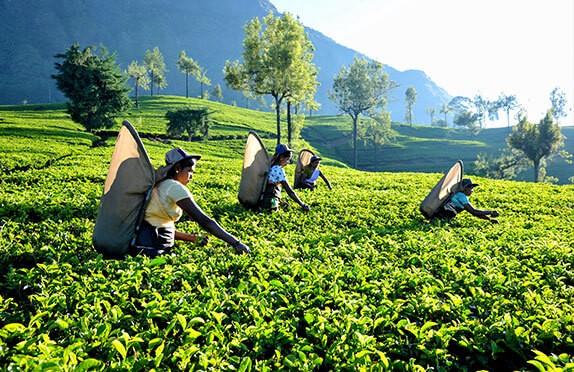
In a momentous triumph for Sri Lanka’s renowned tea industry, the New Vithanakande Tea Factory has etched its name into the annals of history by achieving a Guinness World Record for the most expensive tea ever sold. This extraordinary accomplishment, making headlines in the last 24-48 hours, shines an unprecedented spotlight on the unmatched quality and artisanal craftsmanship of Ceylon Black Tea. The record-breaking transaction saw a kilogram of their premium Ceylon Black Tea (FFExSp) fetch an astounding JPY 125,000 in Japan, equivalent to approximately Rs. 252,500 or USD 860, solidifying Sri Lanka’s position at the pinnacle of the global luxury tea market. Ceylon Black Tea – The Record-Breaking Brew: A Testament to Excellence The tea that secured this prestigious world record is a meticulously crafted FFExSp grade Ceylon Black Tea from the New Vithanakande Tea Factory. The sale took place in Japan, a market globally recognized for its appreciation of high-quality teas and discerning palates. This achievement is not merely about a high price; it is a profound validation of the unique terroir, the skilled hands, and the meticulous processes that define Ceylon Tea production. Pubudu Gunasekera, CEO of New Vithanakande Tea Factory, eloquently stated, “This is not just a win for New Vithanakande, but a global spotlight on the unmatched quality, heritage, and craftsmanship of Ceylon Tea.” This sentiment resonates deeply within Sri Lanka, marking a significant moment of national pride. While Sri Lanka has previously held tea-related world records, such as the largest cup of tea in 2010, this marks the first time the nation has been officially recognized for producing the world’s most expensive tea. The New Vithanakande Tea Factory, nestled in the Ratnapura district of Sri Lanka’s central highlands, has a well-established reputation for consistently commanding top prices at auctions, particularly for its OP1 grade teas. This latest feat, however, is being hailed as a new milestone, elevating the brand of Ceylon Tea to an unparalleled international level. Elevating Ceylon Tea’s Global Prestige This Guinness World Record serves as a powerful testament to Ceylon Tea’s premium identity and heritage. It underscores the global demand for exceptionally high-quality Ceylon tea and significantly bolsters Sri Lanka’s image in the competitive luxury tea sector. The island’s diverse topography and distinct climates across its seven tea-growing regions contribute to a wide array of unique flavor profiles, making Ceylon Tea highly sought after by connoisseurs worldwide. Industry officials emphasize that such achievements highlight the inherent value and artisanal effort embedded in every leaf of Ceylon Tea. The process, from hand-picking at peak freshness to careful processing, ensures that each cup delivers a vibrant, pure, and unmatched experience. This commitment to quality has allowed Sri Lanka to brand “Ceylon Tea” as a premium global product, maintained through stringent quality controls and strategic marketing. Ceylon Black Tea – A Legacy of Excellence and Innovation The success of New Vithanakande Tea Factory is a microcosm of Sri Lanka’s broader dedication to tea excellence. The factory’s operations are supported by approximately 600 small family-owned gardens, highlighting the integral role of smallholders in the Sri Lankan tea industry. These dedicated farmers are the backbone, supplying the high-quality green tea leaves that enable factories like New Vithanakande to produce world-class teas. The factory also holds an Ethical Trade Partnership (ETP) Certification, ensuring ethical practices throughout its supply chain. Sri Lanka’s tea industry, with a history dating back to the 19th century, has consistently focused on purity and quality, prohibiting the importation of teas that can be produced on the island to maintain the integrity of Ceylon Tea. This steadfast commitment, combined with continuous innovation in production and ethical sourcing, reinforces why Ceylon Tea remains a benchmark for quality globally. Beyond the Record: Navigating Challenges and Future Outlook While the world record is a cause for immense celebration, the Sri Lankan tea industry also faces ongoing challenges. Recent customs data from Asia Siyaka Research indicates a robust export performance in the first eight months of 2025, with tea exports rising by 7 percent compared to the previous year, and dollar earnings reaching their highest since 2014. There’s also a noticeable shift towards value-added products, with packeted tea now accounting for 45 percent of shipments. However, beneath this success, structural weaknesses and policy uncertainties persist. Producers grapple with soaring costs, including a government-mandated wage hike for estate workers. Additionally, the impending abolition of Simplified VAT (SVAT) from October 1st has raised concerns among the Tea Exporters Association (TEA) about potential cash flow issues and a possible drop in tea prices. The TEA estimates that the 18% VAT payment could amount to Rs. 4 billion per month, potentially impacting auction prices and the income of over 480,000 smallholder farmers. Despite these challenges, the recent world record serves as a potent reminder of Ceylon Tea’s inherent value and potential. It provides a morale boost and a strong branding advantage that can help the industry navigate economic headwinds and reinforce its global standing. The future success of Ceylon Tea will depend on sustained investment in technology, careful balancing of economic pressures, and a continued focus on its unmatched quality and unique identity. The New Vithanakande Tea Factory’s achievement is more than just a sales record; it’s a powerful narrative of quality, heritage, and the enduring spirit of the Sri Lankan tea industry. It reinforces the fact that Ceylon Black Tea is not just a beverage, but a luxury commodity prized for its purity, craftsmanship, and unparalleled taste across the globe.
Ceylon Tea Exports Brew Optimism with Notable August Surge

COLOMBO, Sri Lanka – The iconic Ceylon Tea industry is currently experiencing a refreshing uplift, with recent data revealing a heartening surge in exports. Figures released within the last 24-48 hours indicate a solid performance in August 2025, alongside impressive cumulative growth for the first eight months of the year. This upward trajectory, driven by strategic shifts towards value-added products and robust demand from key international markets, signals a resilient future for Sri Lanka’s prized commodity, even as lingering challenges persist on the horizon. August 2025: A Strong Showing for Ceylon Tea Sri Lanka’s tea exports witnessed a significant uptick in August 2025, with volumes reaching 23.70 million kilogrammes. This marks a commendable improvement of 1.61 million kilogrammes compared to August 2024, showcasing the industry’s renewed vigour. The growth wasn’t just in volume; export earnings from tea in August 2025 soared by 8.73% year-on-year, accumulating an impressive US$ 141.94 million. This robust performance translated to a 7.29% increase in export volume for August 2025 compared to the previous year. These latest statistics, hot off the press, underscore a broad-based recovery across various tea categories, with the exception of green tea, which experienced a slight dip. The average Free On Board (FOB) price per kilogramme also saw a positive movement, averaging Rs.1,805.35 in August 2025, an increase of Rs.28.69 year-on-year. In more stable US dollar terms, this represented a modest but noteworthy gain of US$ 0.08. Ceylon Tea exports – Cumulative Performance: A Four-Year High Looking at the broader picture, the cumulative export figures for the first eight months of 2025 paint an even more encouraging scenario. Total tea exports from January to August 2025 climbed to 174.55 million kilogrammes, reflecting a substantial 12 million kilogramme increase over the corresponding period in 2024. This strong cumulative performance has propelled Sri Lanka’s tea export earnings to its highest level since 2014, reaching an impressive US$ 1.2 billion (or Rs. 306 billion) for the eight-month period. Remarkably, the US dollar earnings for this period are the highest recorded since 2014, when the country shipped a much larger quantity of 214 million kilogrammes. The average FOB value per kilogramme for the first eight months of 2025 further solidified this positive trend, rising to $5.88, up from $5.80 in 2024. This improvement in FOB value is a crucial indicator of the enhanced global demand and premium positioning of Ceylon Tea. The Strategic Shift Towards Value-Added Products A significant driver behind this commendable export performance is Sri Lanka’s strategic pivot towards value-added tea products. Latest reports confirm that value-added exports now constitute a substantial 58% of total shipments for the January-August 2025 period, a notable rise from 53% in the previous year. This shift is particularly evident in the strong gains recorded by Tea Bags and Instant Tea categories. While bulk tea shipments experienced a decline, the growth in higher-margin products like tea packets (up 17.1% in dollar terms for Jan-Aug 2025) is enhancing overall export earnings and strengthening the industry’s resilience. Key Markets Driving Demand International demand continues to be robust, with several key markets leading the charge. For the January-August 2025 period, Iraq maintained its position as the largest buyer of Ceylon Tea, importing 26 million kilogrammes, a 23% increase from last year. Libya demonstrated an exceptional rebound, securing third place with 14.39 million kilogrammes, marking a massive 198% surge. Russia followed with 14.77 million kilogrammes, despite a year-on-year decline of 11% in volumes. Monthly data for August 2025 highlighted significant increases in tea exports to several nations, including the UAE (up 25.57%), Turkey (up 22.82%), Russia (up 19.3%), and Iran (up an impressive 52.73%). Navigating Challenges and Future Outlook Despite the current wave of optimism, the Ceylon Tea industry is not without its challenges. Issues such as fluctuating production levels, primarily due to unpredictable weather patterns, and the impact of currency appreciation on farmer earnings remain key concerns. Furthermore, structural problems, including inconsistent government policies on fertiliser imports, taxation, and energy costs, continue to affect plantation operations. Labour shortages and the need for enhanced productivity in some cultivation areas are also ongoing discussions within the sector. However, the industry is proactively addressing these hurdles. The emphasis on strengthening the smallholder tea grower sector, which contributes significantly to overall production, is a testament to this commitment. Initiatives focused on quality enhancement, sustainable practices, and market diversification are critical strategies to maintain competitiveness in the global tea market. The impressive rebound in export volumes and values, particularly in value-added segments and key markets, suggests that Ceylon Tea is well-positioned to build on this momentum, continuing its legacy as one of the world’s most cherished and high-quality beverages. The recent surge is not merely a slight increase; it’s a testament to the resilience and strategic adaptability of Sri Lanka’s tea industry.