
Israel-Palestine Conflict: A Simple Explanation
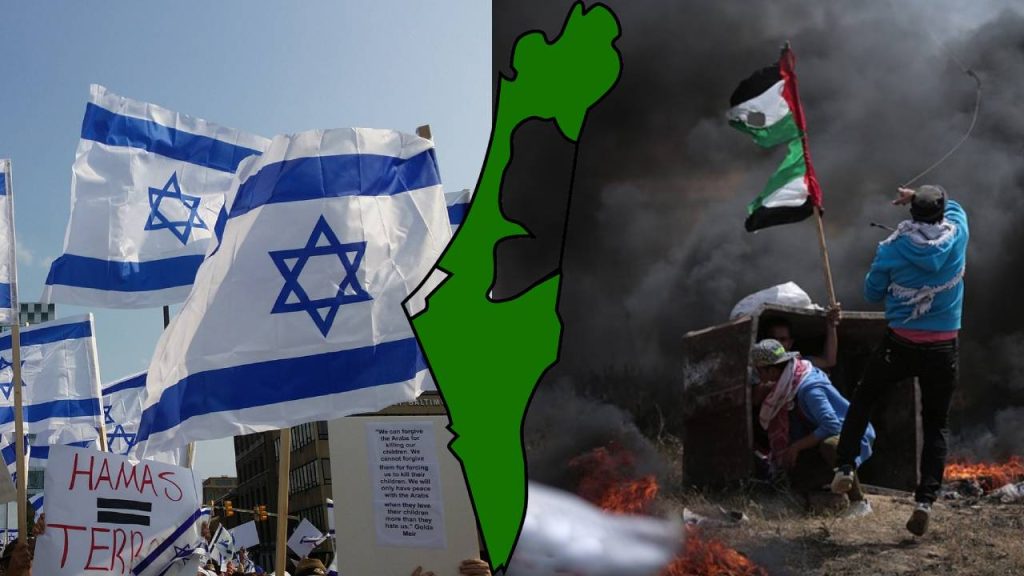
Introduction to Israel-Palestine Conflict The Israel-Palestine conflict is a long-standing and complex issue that has shaped the Middle East for decades. At its core, it revolves around two groups of people, Israelis and Palestinians, who both claim historical and religious ties to the same land. In this article, we’ll break down the conflict in simple terms to help you grasp its key aspects. The roots of the Israel-Palestine conflict date back to the late 19th and early 20th centuries when Jewish immigrants began arriving in the region known as Palestine, then under Ottoman rule. Over time, tensions grew as both Jewish and Arab communities asserted their rights to the land. In 1947, the United Nations proposed a plan to divide Palestine into two states: one for Jews (Israel) and another for Arabs (Palestine). The Jews accepted this plan, but the Arab nations rejected it, leading to a war in 1948, which resulted in the establishment of Israel. The 1948 war, known as the Nakba (Catastrophe), led to the displacement of hundreds of thousands of Palestinian Arabs who fled or were expelled from their homes. Many of them still live as refugees today, and their right to return is a central issue in the conflict. Since 1948, Israel has fought several wars with its Arab neighbors, including the Six-Day War in 1967, which resulted in Israel gaining control of the West Bank, Gaza Strip, and East Jerusalem. These territories are heavily contested and are at the heart of the ongoing conflict. The most widely supported solution to the conflict is the idea of two separate states, Israel and Palestine, living side by side in peace. However, negotiations to achieve this goal have faced numerous challenges, including issues like borders, refugees, and the status of Jerusalem. A major obstacle to peace is the construction of Israeli settlements in the West Bank. These are communities built by Israelis on land that Palestinians claim as their own. Many view these settlements as a violation of international law and a barrier to peace. The conflict has seen its share of violence, including suicide bombings, rocket attacks, and military operations. Both sides have suffered casualties, and these events further fuel hatred and mistrust. The international community, including the United States, has often played a role in peace efforts, but progress has been slow. The conflict remains a deeply emotional and complex issue for those involved. Conclusion The Israel-Palestine conflict is a deeply rooted and intricate problem that defies simple solutions. However, at its core, it’s about two peoples with historical ties to the same land, both seeking their own state and self-determination. Finding a path to peace requires understanding, empathy, and compromise from all parties involved, and the hope for a better future where both Israelis and Palestinians can live in peace and security.
AI technology in Sri Lanka: Empowering the Nation”

Sri Lanka, a picturesque island nation in South Asia, is on the cusp of a technological transformation. One of the most promising drivers of this change is Artificial Intelligence (AI technology in Sri Lanka), a revolutionary technology that has the potential to positively impact various sectors in the country. 1. Healthcare and Medical Advancements AI in Sri Lanka’s healthcare sector has the power to improve patient care and diagnosis. With the implementation of AI-driven medical imaging and diagnostics, hospitals and clinics can provide faster and more accurate assessments. Telemedicine powered by AI can help reach patients in remote areas, ensuring broader access to healthcare. 2. Agriculture and Sustainable Practices Sri Lanka’s economy heavily relies on agriculture. AI can aid farmers by providing real-time data on weather conditions, soil quality, and crop health. This information can significantly enhance crop yields and lead to more sustainable farming practices. 3. Education and Skill Development AI-powered educational tools can help bridge educational gaps and reach students in underserved areas. By personalizing learning experiences, AI can ensure students receive tailored instruction. AI can also play a crucial role in the development of digital literacy and coding skills, preparing the younger generation for future job markets. 4. Environmental Conservation Sri Lanka’s rich biodiversity and stunning landscapes are critical to the nation’s identity. AI can help in monitoring and conserving these natural resources. It can be used to track deforestation, protect endangered species, and predict natural disasters. 5. E-Governance and Efficiency Streamlining government processes through AI can reduce bureaucracy and corruption. Citizens can benefit from faster and more efficient services. Chatbots and AI-driven customer service can also improve the overall experience of interacting with government agencies. 6. Tourism and Hospitality Sri Lanka’s tourism industry can utilize AI to offer personalized travel recommendations and experiences. AI-driven language translation services can bridge communication gaps, making the country even more accessible to international tourists. 7. Financial Services and Inclusion AI can expand access to financial services, particularly in rural areas. AI-driven credit scoring and blockchain technology can promote financial inclusion, allowing more Sri Lankans to participate in the formal economy. 8. Infrastructure and Smart Cities AI can enhance urban planning and traffic management in Sri Lanka’s cities. Smart traffic systems and public transportation solutions can reduce congestion and improve the quality of life for urban dwellers. Challenges and Considerations While AI has immense potential in Sri Lanka, it also brings challenges. These include concerns about data privacy, job displacement, and ensuring that AI benefits all segments of the population, including those in remote and underprivileged areas. In conclusion, AI is poised to transform Sri Lanka by enhancing various sectors of the economy and improving the quality of life for its citizens. Careful planning, investment in AI infrastructure, and a focus on ethical AI development are crucial for realizing the full potential of this technology in Sri Lanka. The nation’s embrace of AI promises a brighter, more innovative future.
Sri Lanka Cricket: A Glorious Legacy of Excellence

Sri Lanka, a small island nation in South Asia, has made an indelible mark on the world stage through its passion for cricket. Over the years, the country has produced some of the finest cricketers in the world and has a rich history of success in international competitions. In this article, we’ll delve into the remarkable journey of Sri Lanka cricket, highlighting its achievements, its challenges, and its promising future. Sri Lanka’s Rise to Prominence: Sri Lanka’s love affair with cricket began in the early 19th century when the British colonial rulers introduced the sport to the island. However, it wasn’t until 1981 that Sri Lanka was granted full Test status by the International Cricket Council (ICC). The journey to becoming a cricketing powerhouse was marked by several milestones: Challenges Faced: Despite its remarkable successes, Sri Lanka cricket has faced its fair share of challenges. These include: A Promising Future: Sri Lanka cricket is far from being written off. The island nation has a strong cricketing infrastructure in place and a pool of talented young players. There are several factors that bode well for its future: Sri Lanka cricket, with its glorious past and potential for a bright future, remains an integral part of the global cricketing landscape. While challenges have tested the resolve of this cricketing nation, its rich history and enduring passion for the sport continue to make it a force to be reckoned with. As Sri Lanka cricket looks forward to new horizons, fans can only hope for a resurgence of the team’s past glory on the international stage.