A Traveler’s Warning: Top 10 Sri Lankan Foods to Avoid on Your First Trip

Welcome to Sri Lanka! As a fellow traveler, I can tell you that the island’s cuisine is an incredible, vibrant journey built on layers of coconut, pandan, and roasted spices. But let’s be honest: while most of the food is a 10/10 banger, there are some local delicacies that can absolutely ambush an unprepared European palate. If you aren’t accustomed to blistering heat, intense sourness, or pungent fermented aromas, here are the top 10 Sri Lankan foods you might want to approach with extreme caution (or avoid altogether). 1. Wood Apple (Divul) Juice If you wander through a local market, your nose will find the wood apple before your eyes do. Encased in a hard, woody shell, the fruit inside looks a bit like brown paste and carries a funky, slightly fermented aroma that borders on blue cheese. Blended into a smoothie with water and jaggery, it is a beloved local digestive aid, but the sweet, sour, and pungent combination is a massive culture shock for European tastebuds. 2. Ambul Thiyal (Sour Fish Curry) This isn’t your standard creamy, coconut-based fish curry. Ambul Thiyal is a dry, dark, and intensely peppery dish preserved using goraka (Indian tamarind), which imparts a sharp, astringent sourness. It’s a brilliant preservation technique, but the resulting tart, dry, and heavily spiced chunks of tuna can be overwhelming if you were expecting a mild, saucy curry. 3. Lunu Miris (Katta Sambol) Sri Lankans love their sambols (fresh relishes), but this one is pure fire. Lunu Miris translates literally to “salt and chili.” It is a fiery paste made by crushing raw red chilies, onions, salt, lime juice, and pungent Maldive fish together. A small dab will scorch your tongue. If you are entirely intolerant to spice, asking for “no spice” won’t save you if this is on the table. 4. Karawala (Dried Fish Curry) Before modern refrigeration, salting and drying fish in the sun was essential. Karawala is rehydrated and cooked into a curry that boasts an incredibly pungent, room-clearing aroma and a deeply salty, fishy flavor. If you grew up on mild cod or salmon, the aggressive umami of Karawala will likely be a step too far. 5. Achcharu (Spicy Pickled Fruit) Walking along the Galle Face Green or local waterfronts, you’ll see vendors selling little bags of achcharu. In Europe, fruit is sweet. In Sri Lanka, raw mango, pineapple, or ambarella is pickled in vinegar and aggressively tossed in raw red chili powder and salt. It’s an explosion of sour, salty, and spicy that will leave you in tears. 6. Devilled Dishes Do not let the shiny, sticky sauce fool you. Whether it’s devilled chicken, cuttlefish, or prawns, this popular tourist-menu item looks exactly like a mild Chinese sweet and sour dish. It is a trap. The sweet sauce is heavily laced with hidden green chilies and capsicum, delivering a delayed, blistering heat that catches many tourists completely off guard. 7. Karawila (Bitter Gourd) Often served fried into a sambol or cooked into a curry, this wrinkly, cucumber-looking vegetable lives up to its name. The bitterness is incredibly sharp and lingering. While locals prize it for its blood-sugar-lowering health benefits, most European travelers find the medicinal, acrid taste impossible to swallow. 8. Maldive Fish (Umbalakada) This isn’t a dish on its own, but an ingredient that lurks in almost everything—from vegetable mallungs to coconut sambols. It is cured, smoked, and sun-dried tuna that is pounded into shards. It acts as the Sri Lankan equivalent of MSG, adding deep umami. However, it is a hardcore acquired taste, and if you aren’t a fan of strong “fishy” flavors, you will quickly notice it overpowering your vegetable dishes. 9. Kola Kenda (Herbal Porridge) A traditional Sri Lankan breakfast often features this vibrant green, soupy porridge made from rice, coconut milk, and the extracted juice of potent medicinal leaves like Gotu Kola. While incredibly healthy, it tastes exactly like warm, liquid lawn grass. If your morning routine usually involves croissants and coffee, this earthy, medicinal broth will be a shock to the system. 10. Polos (Baby Jackfruit Curry) Polos is often mistaken by travelers for a heavy meat dish because of its dark color and fibrous, pull-apart texture. The young jackfruit acts as a sponge, soaking up massive amounts of roasted curry powder, black pepper, and chili. It’s heavy, incredibly robust, and often too intensely spiced for a stomach still adjusting to the local cuisine. A Quick Survival Tip: Saying “less spicy, please” in Sri Lanka often yields mixed results, because a local chef’s idea of “mild” still includes a generous handful of chilies. If you are nervous, your safest bet is to stick to the creamy dhal (lentil curry), ash pumpkin curry, and plain rice.
Sri Lanka Tourism Surges Past 1.5 million Arrivals: A New Milestone for Island Recovery

Sri Lanka’s tourism industry has officially powered past a major milestone, recording a cumulative 1,567,007 international tourist arrivals from January through early September 2026. The numbers, released by the Sri Lanka Tourism Development Authority (SLTDA), highlight the country’s continuous momentum and its status as one of South Asia’s most resilient and dynamic travel destinations. Steady Influx Points to Robust Recovery Data from the SLTDA reveals that the country welcomed 31,885 visitors during the first six days of September alone, proving that traveler interest remains strong even as the traditional summer peak tapers down into the shoulder season. Industry experts note that the steady influx is injecting critical foreign exchange into the local economy, benefiting communities, small businesses, and hospitality operators island-wide. Drivers Behind the Success Stakeholders credit the steady arrival figures to a multi-pronged approach combining aggressive international marketing, improved ease of travel, and diversified tourism packages. Beyond the classic ‘Sun and Sea’ offerings along the southern and eastern coastlines, travelers are increasingly exploring niche segments such as wildlife safaris in Yala and Wilpattu, tea-country excursions in Ella, and heritage trails across the Cultural Triangle. Furthermore, concerted efforts to streamline digital infrastructure, ensure tourist safety, and promote sustainable travel practices have helped enhance Sri Lanka’s global brand reputation. Looking Ahead to the Winter Season With the 1.5 million milestone safely surpassed well ahead of schedule, attention is now shifting toward the upcoming winter season—traditionally the peak window for international arrivals. Tourism authorities and hospitality leaders are actively collaborating with global airline partners to secure increased flight slots, aiming to capitalize on pent-up travel demand from Europe and North Asia. As local businesses prepare for the upcoming influx, Sri Lanka remains well on track to hit its broader annual targets, cementing its comeback as a premier global travel hotspot.
Sri Lanka Ex-Minister’s Son Remanded in Robbery Case

Anuda Bandara, son of former Sri Lankan State Minister Shantha Bandara, has been remanded until July 27 by the Fort Magistrate’s Court in connection with the alleged robbery of Rs. 20 million from a Chinese national in Colombo. This development marks a significant turn in the ongoing investigation following the Sri Lanka ex-minister son arrest. The remand order, issued by Fort Magistrate Pasan Amarasena, underscores the ongoing rigorous investigation into a high-profile financial crime that has drawn public attention due to the suspect’s political lineage and the significant sum involved. Court Proceedings in the Sri Lanka Ex-Minister Son Arrest Case Anuda Bandara was initially arrested on Tuesday, July 21, by the Kollupitiya Police on suspicion of his involvement in the incident. Subsequently, on Wednesday, July 22, the Colombo Fort Magistrate’s Court granted permission for the Central Crime Investigation Bureau (CCIB) to detain and interrogate him for 24 hours. During the court proceedings on Thursday, July 23, the suspect was presented before Magistrate Amarasena again, following which the remand order until July 27 was issued, allowing further investigations to proceed. The Criminal Investigation Department (CID) has taken over the probe, acting on instructions from the Inspector General of Police. Allegations and Investigating Leads Against the Ex-Minister’s Son Investigators have informed the court that the alleged robbery involved a sum of Rs. 20 million belonging to a Chinese national. Police sources suggest Anuda Bandara is believed to be a principal suspect in orchestrating the robbery, allegedly from Narahenpita, and was reportedly about 50 metres from the crime scene when the incident occurred. A key aspect of the ongoing inquiry involves scrutinizing the suspect’s telephone records, bank transactions, and potential cryptocurrency dealings. Investigators from the CID and CCIB are examining these records to uncover any links to broader cryptocurrency-related financial fraud. During an identification parade held at the Magistrate’s Court premises on July 23, the first suspect, identified as Ajith Priyantha, was positively identified by a witness. Furthermore, authorities are working to seize the vehicle believed to have been used in the alleged fraud, and another suspect is expected to be arrested in connection with the case. Co-accused and Defence Stance on the Ex-Minister’s Son’s Involvement In addition to Anuda Bandara, four other individuals implicated in the incident have also been remanded until July 27. These arrests indicate a coordinated effort by law enforcement to dismantle the alleged criminal network. However, the attorney representing Anuda Bandara has vehemently denied the allegations in court. Defence counsel stated that his client had no knowledge of the robbery and was not acquainted with the complainant. The attorney maintained that Anuda Bandara’s only connection to the case was the introduction of a security guard to an acquaintance and rejected claims linking him to cryptocurrency fraud. Broader Implications of the High-Profile Arrest This incident comes amid increased scrutiny on the safety of foreign nationals and financial integrity within Sri Lanka. The involvement of a politician’s son in an alleged high-value robbery, coupled with investigations into potential cryptocurrency fraud, highlights the complexities faced by law enforcement in addressing sophisticated financial crimes. The case is scheduled to be recalled before the Fort Magistrate’s Court on July 27 for further proceedings, where additional details from the ongoing investigations are anticipated to be presented.
Vacancies at the National Water Supply and Drainage Board (Project Contract Basis)
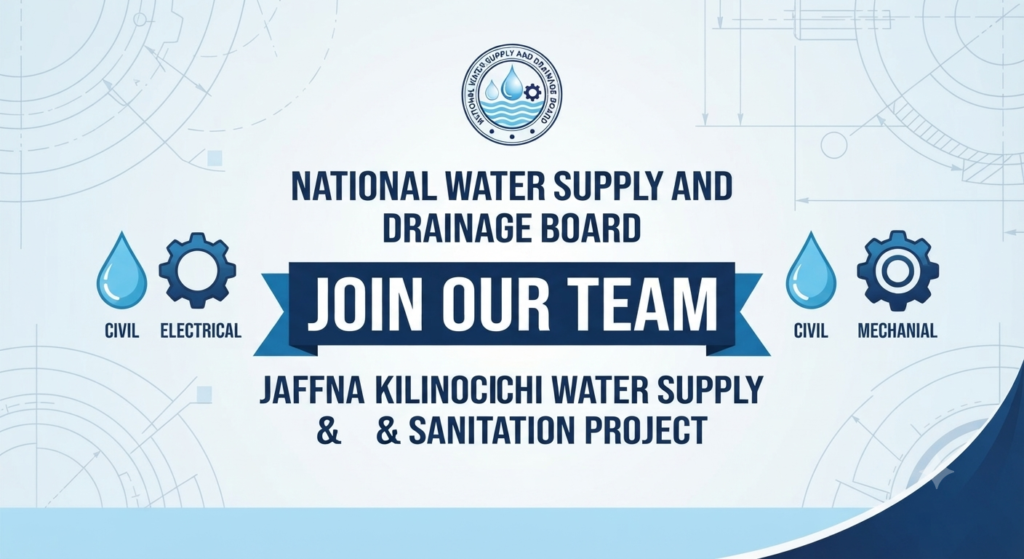
IntroductionThe Ministry of Housing, Construction and Water Supply and the National Water Supply and Drainage Board have announced career opportunities on a project contract basis. Applications are invited from qualified citizens of Sri Lanka for vacancies within the Jaffna Kilinochchi Water Supply & Sanitation Project.Vacancies Feature Image Prompt: A professional vector-style banner illustration for a water infrastructure project in Sri Lanka. The design features a modern engineering blueprint background, official water drop and gear icons representing civil, electrical, and mechanical engineering, and a bold “Join Our Team” banner layout incorporating the National Water Supply and Drainage Board corporate style.
Sri Lanka Named Among World’s Top 50 Food Destinations for 2026
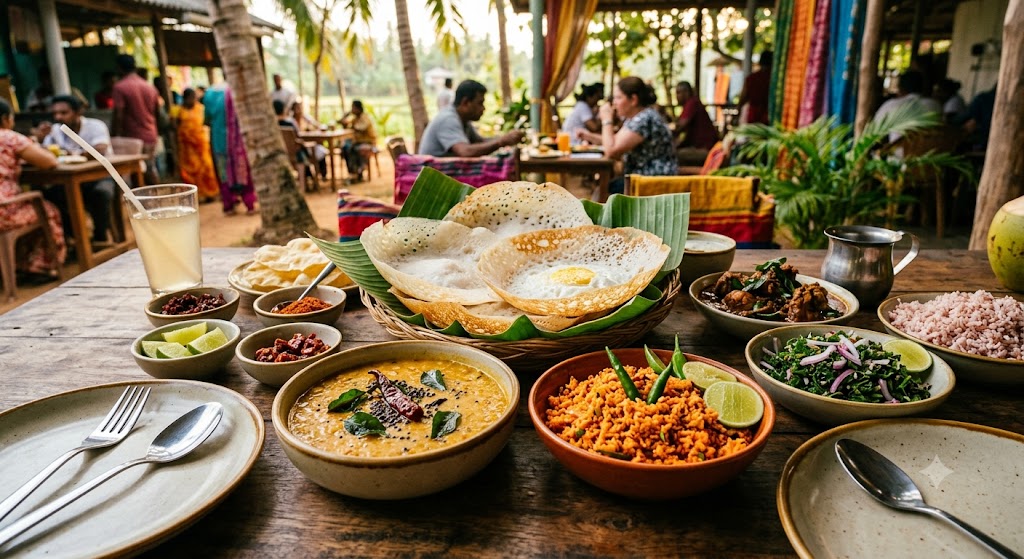
Sri Lanka’s rapidly ascending reputation as a world-class travel hotspot has hit a delicious new milestone. The island nation has officially earned international acclaim by securing a place on the prestigious Top 50 Food Destinations Around the World for 2026. The comprehensive editorial ranking, curated by global travel authority Travel And Tour World (TTW), evaluates destinations across a strict range of metrics. To make the cut, countries are judged on their culinary heritage, regional diversity, street food authenticity, sustainability practices, fine dining integration, and overall visitor experience. Spices, Street Food, and Sustainability According to TTW’s editorial experts, Sri Lanka stands out as a “vibrant culinary destination where aromatic spices, tropical ingredients, and centuries of cultural influences create unforgettable dining experiences.” The recognition celebrates the vast spectrum of the island’s food ecosystem—spanning from the fiery rush of Colombo’s street-food stalls to high-end coastal culinary innovations. While global heavyweights like Mexico, Italy, and Spain claimed the top three positions on the global index, Sri Lanka’s inclusion at number 50 highlights its emergence as a major player in modern culinary tourism. As international travel shifts away from generic sightseeing toward hyper-local, flavor-driven experiences, the island’s unique blend of coconut-infused curries, fresh coastal catch, and distinct regional micro-cuisines has proven irresistible to global food critics. Would you like to move on to Step 5, where we format the 10 essential culinary hotspots into a clean, mobile-responsive WordPress Table Block?
Russia Pledges Comprehensive Support for Sri Lanka’s Healthcare Transformation

COLOMBO, Sri Lanka – May 5, 2026 – In a significant development poised to revolutionize Sri Lanka’s healthcare landscape, Russian Health Minister Mikhail Murashko concluded a high-profile three-day official visit to the island nation, reiterating Russia’s unwavering commitment to bolstering Sri Lanka’s health infrastructure. The visit, which commenced on May 3rd, 2026, saw intensive discussions and observations aimed at forging a robust partnership focused on modernizing and strengthening the nation’s medical services, with particular emphasis on cutting-edge technology and primary care enhancements. High-Level Dialogues Chart Future of SL-Russia Health Cooperation to improve Sri Lankan health care The core of Minister Murashko’s visit revolved around crucial high-level discussions held in Colombo on May 4th, 2026, with Sri Lanka’s Minister of Health and Mass Media, Dr. Nalinda Jayatissa. During these pivotal talks, the Russian delegation conveyed Russia’s readiness to extend comprehensive support to fortify Sri Lanka’s healthcare system. The extensive agenda encompassed a wide array of areas crucial for the development of a resilient and advanced health sector in Sri Lanka. Also present at the meetings were Deputy Minister of Health Dr. Hansaka Wijemuni and Russian Ambassador to Sri Lanka Levan Dzhagaryan, underscoring the diplomatic significance of these exchanges. Minister Murashko’s visit was not confined to diplomatic tables. On May 4th, 2026, the Russian delegation also undertook a special observation visit to prominent Sri Lankan medical institutions, including the National Hospital of Colombo and the Faculty of Medicine at the University of Colombo. These visits were integral to understanding Sri Lanka’s existing health facilities and identifying specific areas where Russian expertise and resources could be most effectively deployed to strengthen these institutions with modern technology and facilitate knowledge exchange. Pivoting Towards Primary Healthcare and AI Integration A cornerstone of the proposed cooperation lies in the significant upgrade of Sri Lanka’s primary healthcare services. Both ministers engaged in in-depth discussions on how to enhance these foundational services, recognizing their critical role in national well-being. A key focus was the integration of modern technological solutions, notably Artificial Intelligence (AI), into the health sector. The Russian Minister elaborated on Russia’s commitment to prioritizing primary healthcare through meticulously planned methodologies to deliver quality services and highlighted Russia’s active development and utilization of modern medical equipment and advanced technologies, including AI-based systems. The Russian delegation further showcased an advanced AI-based technological system developed in Russia. This innovative system is capable of identifying and diagnosing 42 different diseases prevalent in both agricultural and urban areas, incorporating laboratory services and pediatrics. This demonstration underscores the practical applications of AI that Russia is prepared to share, signalling a potential paradigm shift for disease detection and diagnosis in Sri Lanka. Sri Lankan Minister Dr. Jayatissa, in turn, briefed his Russian counterparts on Sri Lanka’s ongoing program to reinforce primary healthcare and underscored the urgent need to integrate advanced technology and modern medical equipment into the national system. Bolstering Pharmaceutical Production and Medical Education Beyond technology and primary care, the discussions extensively covered strengthening pharmaceutical manufacturing and supply chains between the two nations. This collaboration could significantly enhance Sri Lanka’s self-sufficiency in essential medicines and improve the reliability of its drug supply. Furthermore, Russia expressed its readiness to provide advanced medical education opportunities for Sri Lankan doctors. This commitment to human resource development is a vital component of the long-term vision for an upgraded healthcare system, ensuring that Sri Lankan medical professionals are equipped with the latest knowledge and skills. In a broader gesture of support, Minister Murashko also indicated Russia’s willingness to assist Sri Lanka in overcoming existing challenges, including those related to the energy sector. This broader offer of cooperation highlights the deepening bilateral ties that extend beyond the immediate healthcare sphere. Towards a Future of Enhanced Bilateral Health Ties The fruitful discussions are expected to culminate in the signing of a Memorandum of Understanding (MoU) between the Ministry of Health of the Russian Federation and Sri Lanka’s Ministry of Health and Mass Media. This MoU will serve as a framework to advance cooperation through closer coordination, ensuring that the ambitious plans discussed translate into tangible outcomes. Further cementing the spirit of collaboration, Minister Murashko extended a warm invitation to Minister Jayatissa and other Sri Lankan health officials to visit Russia. The purpose of this visit would be to gain firsthand exposure to Russia’s healthcare system, observe its modern medical equipment, and study its AI-supported treatment services. Such exchange programs are crucial for fostering mutual understanding and facilitating the effective transfer of knowledge and best practices. This recent engagement underscores the longstanding friendly relations between Sri Lanka and the Russian Federation. The pledge of comprehensive support from Russia signals a new era for Sri Lanka’s healthcare system, promising advancements in primary care, technology integration, pharmaceutical capabilities, and medical expertise, ultimately benefiting the health and well-being of the Sri Lankan people.
Sri Lanka Gears Up for Grand Vesak Week 2026: A Focus on Spirituality and Community
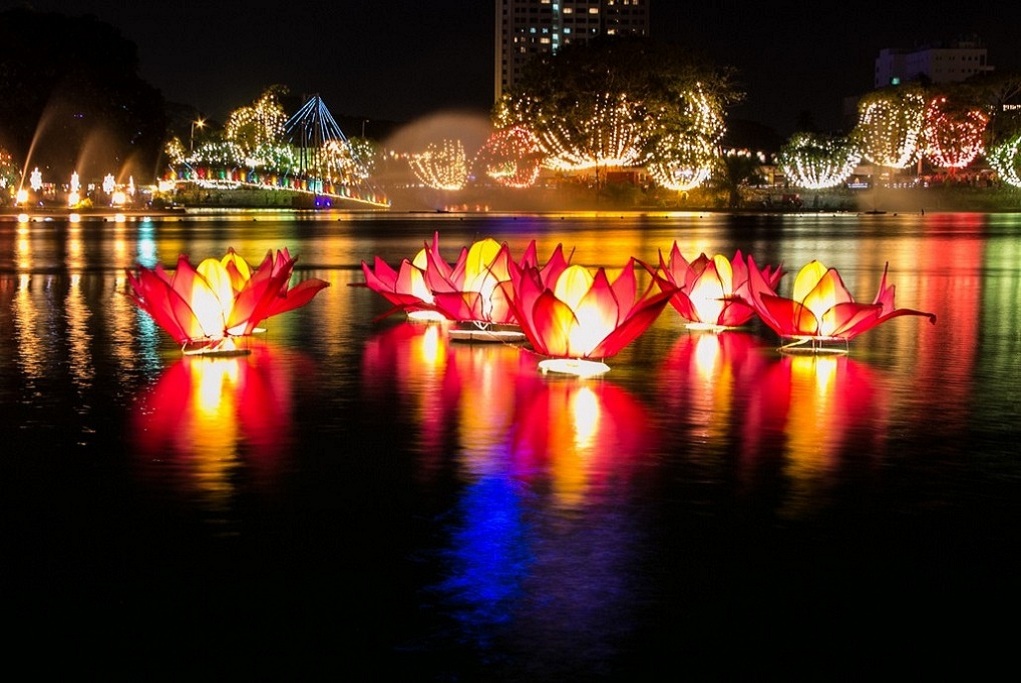
As the sacred season of Vesak approaches, Sri Lanka is poised for a unique and spiritually enriching observance in 2026. While Vesak Full Moon Poya Day was initially designated for May 1st, coinciding with International Workers’ Day, recent official declarations have shifted the focus to a profound week-long celebration, emphasizing spiritual rejuvenation and community welfare. This up-to-the-minute report brings you the latest developments and the detailed program for Vesak Week, running from May 27 to June 2, 2026. Official Declarations: Vesak Week Rescheduled for a Spiritual Focus A notable update in Sri Lanka’s 2026 Vesak calendar stems from a significant decision by the government, influenced by requests from the revered Mahanayake Theros. Though May 1st was initially marked as Vesak Poya Day, the State Vesak Festival for this year will officially take place on May 30, 2026. Furthermore, the day following this principal observance, May 31, 2026, has been gazetted as a public holiday, revising an earlier declaration for May 2nd. The Ministry of Public Administration, Provincial Councils and Local Government, in conjunction with other relevant bodies, has officially declared a dedicated Vesak Week from May 27 to June 2, 2026. This extended period is designed to facilitate widespread participation in religious and community-focused activities, moving away from purely entertainment-driven events. The overarching theme for the 2026 State Vesak Festival, “Abhittharetha Kalyana” (Let us unite for the common good), perfectly encapsulates this renewed commitment to collective spiritual and social upliftment. A Nationwide Call for Spiritual Rejuvenation The revised schedule and the declaration of Vesak Week underscore a conscious effort by the Sri Lankan government to foster a deeper, more meaningful observance of this thrice-blessed day. Under the guidance of the All Ceylon Shasanarakshaka Mandalaya and in collaboration with the Ministry of Buddhasasana, Religious and Cultural Affairs and the Department of Buddhist Affairs, a comprehensive national program is being rolled out. Official guidelines emphasize that all institutions must organize religious programs that genuinely promote spiritual development and community service, strictly advising against entertainment-focused events. This directive aims to refocus the celebrations on the core tenets of Buddhism—compassion, generosity, and mindfulness—encouraging a more reflective and meritorious engagement from the public. A Week-Long Calendar of Observances: May 27 – June 2 The officially circulated Vesak Week Circular 2026 provides a detailed itinerary of planned activities, ensuring a structured approach to the nationwide observances. Each day is dedicated to a specific aspect of Buddhist practice and community engagement: These meticulously planned activities underscore Sri Lanka’s commitment to observing Vesak not merely as a holiday, but as a holistic period for ethical conduct, spiritual advancement, and social responsibility. Traditional Vesak Decorations and Acts of Generosity While the focus remains on spiritual and community development, the vibrant traditions that define Vesak in Sri Lanka will undoubtedly continue, albeit within the new guidelines. Iconic digital light displays known as thoranas—narrating Jataka Tales—and colorful lanterns will adorn streets and homes, creating a festive yet reverent atmosphere. Acts of immense generosity, particularly the setting up of dansal stalls offering free vegetarian meals and refreshments, will symbolize the Buddhist principle of giving (Dana). It’s also noteworthy that, as is customary during Vesak, all liquor stores and slaughterhouses will be closed by government order, reflecting a nationwide commitment to non-violence and abstinence. The Enduring Message of Vesak in a Modern Context Vesak commemorates the birth, enlightenment, and passing of Gautama Buddha, embodying his timeless teachings of peace, compassion, and non-violence. In 2026, Sri Lanka’s structured Vesak Week aims to powerfully reinforce these foundational Buddhist values. By shifting the emphasis towards mindful participation and community service, the nation seeks to inspire its citizens to integrate these principles into their daily lives, fostering harmony and ethical living. This year’s observances serve as a testament to Sri Lanka’s dedication to preserving the spiritual essence of Vesak, ensuring that its profound message resonates deeply across all communities, contributing to a more peaceful and compassionate society.
Sri Lanka Cricket in Crisis: Administration Overhaul Underway Amidst Mass Resignations
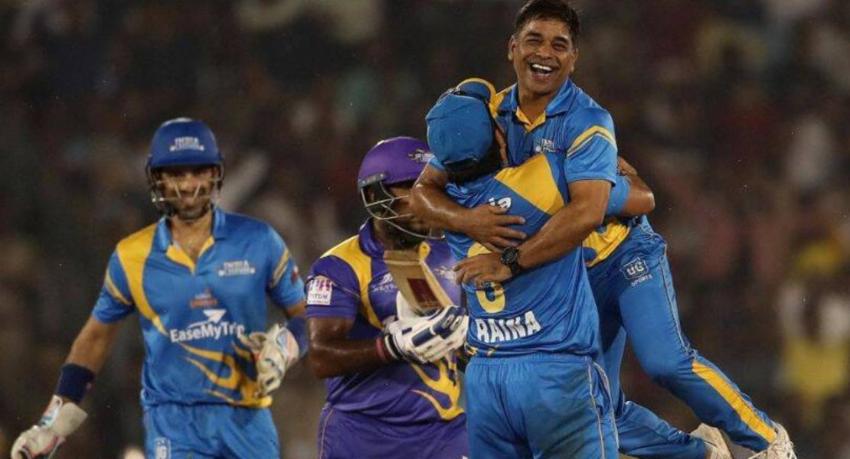
COLOMBO, Sri Lanka – April 29, 2026 – Sri Lanka Cricket (SLC) finds itself at the epicenter of a monumental administrative shake-up, as its entire Executive Committee, including President Shammi Silva, tendered their resignations effective today. This dramatic development, confirmed by the Ministry of Youth Affairs and Sports, plunges the nation’s most cherished sport into a new era of uncertainty and promises significant structural reforms. The government has swiftly moved to temporarily assume control of all administrative functions, a decision stemming from mounting allegations of financial irregularities, persistent mismanagement, and a string of disappointing national team performances on the international stage. Mass Resignations Pave Way for Government Intervention in Sri Lanka Cricket The cascade of resignations, which saw not only Shammi Silva, who had led SLC for nearly seven years across four consecutive terms, but also all other office bearers and members of the Executive Committee step down, marks a pivotal moment in Sri Lankan cricket history. The move follows intense pressure from government authorities, with reports indicating that Sri Lankan President Anura Kumara Dissanayake had engaged in discussions with Silva over the weekend, advocating for a restructuring of the board and the introduction of fresh governance. Public anger over alleged corruption and the national team’s consistent underperformance, particularly their early exits from the 2023 ODI World Cup and the 2024 and 2026 T20 World Cups, served as significant catalysts for this forceful intervention. On Wednesday, the Ministry of Youth Affairs and Sports formally announced its decision to bring all administrative functions of Sri Lanka Cricket under its temporary purview. This critical step has been taken in accordance with the powers vested in the Minister under Sections 31 and 34 of the Sports Act No. 25 of 1973. This direct government oversight signals a clear intent to address the deep-seated issues that have plagued the institution for years. The Road Ahead for Sri Lanka Cricket: Interim Committee and Potential ICC Scrutiny With the current administration dissolved, the immediate focus shifts to the appointment of a new interim committee. The Ministry has stated that this committee will be established shortly, with a mandate to tackle the ongoing administrative challenges and implement comprehensive structural reforms aimed at improving the governance of the sport. While no official announcement has been made regarding the composition of this interim body, speculation is rife that it could be headed by former State Minister and opposition politician Eran Wickramaratne. Additionally, respected former cricketers Sidath Wettimuny and Roshan Mahanama are reportedly being considered for key roles within the new setup, bringing much-needed cricketing expertise and credibility to the forefront. However, this government intervention is not without its inherent risks. The International Cricket Council (ICC) maintains strict regulations against political interference in the administration of its member boards, a principle it has upheld rigorously in the past. Sri Lanka Cricket experienced a two-month suspension from the ICC in November 2023, which was only lifted in January 2024, precisely due to concerns over government involvement. The ICC’s consistent stance has been to recognize only democratically elected leadership, irrespective of domestic allegations of corruption. Any perception of undue state control over the new interim committee could trigger further sanctions, potentially impacting funding and the country’s ability to host international tournaments. A History of Turmoil and the Push for Stability Sri Lanka Cricket, despite being the country’s wealthiest sporting body, has long been marred by allegations of corruption and administrative mismanagement. Shammi Silva’s tenure, while overseeing some success such as Asia Cup titles for both men’s and women’s teams, also coincided with a noticeable decline in the national team’s rankings and their struggles in major ICC events. Even the recent appointment of renowned coach Gary Kirsten failed to quell the growing public discontent and calls for a leadership overhaul. The current situation echoes past episodes of friction between the government and the cricket board, highlighting a recurring pattern of governance challenges. The Sports Minister, Sunil Kumara Gamage, has officially accepted the resignations, emphasizing the need for robust reforms to restore credibility and stability to Sri Lankan cricket. The coming weeks will be crucial in determining the composition and autonomy of the new interim committee, as well as how the ICC responds to this latest chapter in Sri Lanka’s ongoing cricket administration saga. The hope remains that this significant overhaul will finally usher in an era of transparency, accountability, and sustained cricketing success for the island nation.
HIRU TV IN HOT WATER: FACES 2ND SERIOUS ALLEGATION OF FAKE NEWS

CPC Petitions Ministry over “Grossly Misleading” $286 Crude Oil Pricing Report; Broadcaster Accused of Violating Licensing Conditions. Advertiser’s officially pull out as controversy brews. Hiru TV, operated by Asia Broadcasting Corporation (Pvt) Ltd., is facing a major regulatory crisis after the Ceylon Petroleum Corporation (CPC) formally accused the broadcaster of airing “maliciously false” information regarding national fuel procurement.In a strongly worded letter dated April 20, 2026, addressed to the Secretary of the Ministry of Health and Mass Media, the CPC Chairman called for an immediate investigation into a news segment aired on April 16. The report claimed that Sri Lanka had purchased crude oil at a staggering USD 286 per barrel, a figure the CPC says was fabricated through the “intentional distortion” of international market data. “Intentional Distortion”The CPC, which holds the sole legal authority to import crude oil into Sri Lanka under Act No. 28 of 1961, clarified that actual procurement prices for March and April stood between USD 66.99 and USD 71.99 per barrel.“The broadcaster appears to have taken the price of refined diesel which spiked globally due to Middle Eastern tensions and presented it as the price paid by the CPC for crude oil,” a senior CPC official stated.The corporation further alleged that despite issuing a formal media release to correct the record, Hiru TV persisted with the narrative. The broadcaster reportedly claimed an “HSBC official” had confirmed the $286 price, a statement the CPC insists was taken out of context to create a “national state of alarm.” A Pattern of ConductThis is the second high-profile legal challenge for the network in less than two months. In March 2026, the Court of Appeal delivered a landmark ruling involving Hiru TV, asserting that private broadcasters are “public authorities” subject to the Right to Information (RTI) Act.Legal experts suggest that this latest incident could be viewed as a “habitual breach” of media ethics. “The court has already established that using public airwaves carries a legal duty to verify facts,” said a constitutional lawyer. “Repeating such significant errors could jeopardize their broadcasting license.”Calls for Regulatory Action The CPC has requested the Ministry of Mass Media to:• Investigate License Violations: Determine if the broadcast breached the fundamental conditions of the station’s operating license.• Issue Directives: Establish strict guidelines for reporting on sensitive national economic data.• Accountability: Ensure the broadcaster is held responsible for potential public unrest and reputational damage to state institutions.“This is not just an error; it is a serious misuse of media freedom that threatens economic stability,” the CPC letter noted. As of press time, Asia Broadcasting Corporation has not issued a formal rebuttal to the CPC’s allegations. The Ministry of Mass Media is expected to convene a preliminary inquiry later this week.
Fire Breaks Out at a Polythene Factory in Wattala
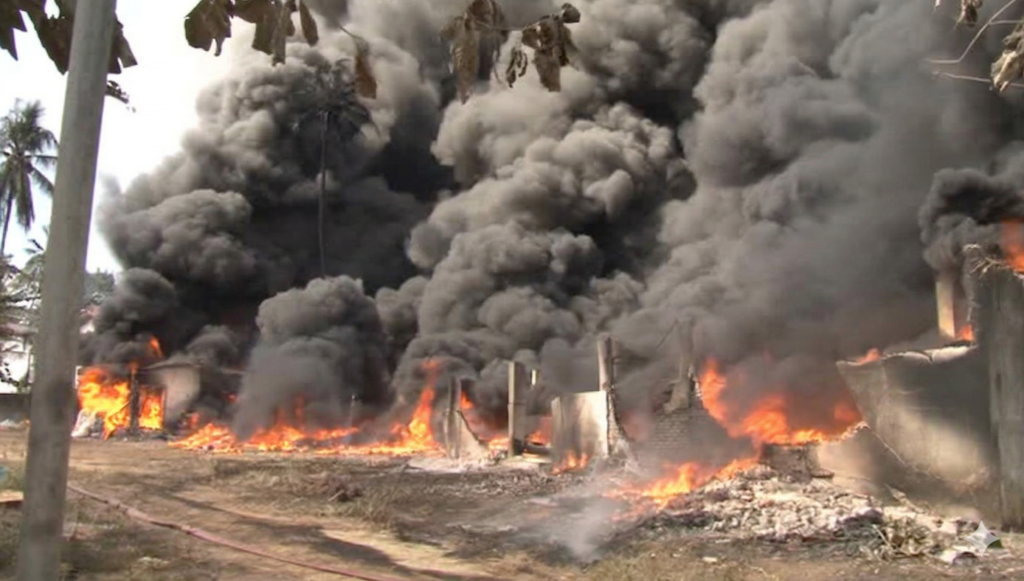
A significant fire broke out this morning, April 6, 2026, at a polythene manufacturing facility in the Mabola area of Wattala