
Top 10 GDP Richest Countries in the World
The wealth of a country is typically measured using its Gross Domestic Product (GDP) per capita, which reflects the economic output per person. Countries with high GDP per capita usually have strong economies, well-developed infrastructure, and high standards of living. Based on the latest data, here are the top 10 richest countries in the world: Luxembourg Ireland Switzerland Norway United States Singapore Qatar Denmark Australia Netherlands Conclusion These countries have achieved high levels of economic success through strong industrial sectors, financial markets, and technological advancements. While GDP per capita is a key measure of wealth, factors like quality of life, income equality, and sustainability also play a vital role in defining a nation’s true prosperity.
Six-Hour Delay: United Airlines Scrambles After Pilot Flies Without Travel Passport

Media reports indicate that a United Airlines Boeing 787 aircraft flying from Los Angeles to China was forced to turn back after it was discovered that the pilot was flying without a foreign travel passport. The aircraft departed Los Angeles at 2 PM on Saturday with 257 passengers and 13 crew members, heading northwest across the Pacific Ocean towards Shanghai. However, after about two hours of flight, the aircraft turned back and returned to San Francisco, landing around 5 PM the same day, according to the FlightAware website. In a statement released about the incident, United Airlines noted, “The pilot did not have his travel passport on board the aircraft. That evening, we organized a new crew to transport our customers to their destination. Customers were provided with meal vouchers and compensation.” Nevertheless, the new crew departed again around 9 PM that same night and is expected to be approximately six hours delayed in reaching Shanghai. The translation captures the key details of the original Sinhala-language article, highlighting the unusual circumstance of a pilot flying internationally without the necessary travel documentation and the subsequent steps taken by the airline to manage the situation.
University lectures Guyendra Gayantha’s wife also passed away

Dr. N.D.G. Gayantha of the Psychology Department in the Faculty of Philosophy at Kelaniya University recently passed away in a road accident. Guyendra Gayantha’s wife also passed away today (26th). According to reports, she also died from a recent road accident, having sustained serious injuries and was in critical condition while receiving treatment in the intensive care unit of the Colombo National Hospital. The deceased Satisha Nilanthi was also a university lecturer. Recently, the doctor was returning from a trip to Jaffna, Nagadeepa with his three small children and family members of his wife when he unfortunately met with a motor vehicle accident on the Central Expressway. The van they were traveling in collided with a lorry, causing Dr. Gayantha to lose his life instantly. The three injured children, his wife, his wife’s younger brother, and his wife’s mother were receiving treatment at the Colombo National Hospital. His wife’s mother and the three children had already been discharged and recovered. Satisha Nilanthi, who was receiving treatment in the intensive care unit with critical injuries from the accident, had her brother also pass away recently, with his final rites conducted on the 24th in Boralesgamuwa Kanatte. Today, at the time of her passing, Satisha Nilanthi was 42 years old and a mother of three young children. So far, three individuals have lost their lives in this road accident. Satisha Nilanthi was an alumna of Gothami Balika Vidyalaya in Colombo and was born in 1983.
The 10 Worst Countries to Travel to and Why

While the world is full of breathtaking destinations, some countries pose significant challenges for travelers due to safety concerns, political instability, or poor infrastructure. Based on crime rates, political unrest, travel restrictions, and overall tourist experience, here are ten of the worst countries to visit in 2025. Afghanistan Why? Ongoing conflicts, terrorism, and a weak government make Afghanistan one of the most dangerous countries for travelers. Kidnappings, bombings, and attacks on foreigners are common, and most governments strongly advise against traveling here. Somalia Why? Somalia is plagued by piracy, terrorism, and lawlessness. The lack of a stable government has led to widespread violence, making it extremely unsafe for tourists. Infrastructure is minimal, and even humanitarian workers face serious risks. Syria Why? Due to the prolonged civil war, Syria remains a highly dangerous place for visitors. Ongoing military conflicts, bombings, and terrorist activities make travel here nearly impossible. Many historical landmarks have also been destroyed. Yemen Why? Yemen is experiencing one of the worst humanitarian crises in the world due to ongoing war and famine. The security situation is dire, with constant threats from armed groups and military attacks. Access to basic necessities like food and healthcare is extremely limited. South Sudan Why? South Sudan struggles with civil unrest, violent crime, and extreme poverty. Foreigners are often targeted for kidnappings and robberies. Additionally, poor infrastructure and lack of medical facilities make traveling here highly risky. Central African Republic (CAR) Why? The CAR is one of the least developed and most dangerous countries in the world. Armed groups control large areas, leading to frequent violence and instability. There is little to no tourist infrastructure, and safety cannot be guaranteed. Venezuela Why? Once a popular tourist destination, Venezuela now suffers from political chaos, hyperinflation, and high crime rates. Caracas, the capital, has one of the highest murder rates in the world, and shortages of basic supplies make travel difficult. North Korea Why? Traveling to North Korea is highly restricted, and tourists are constantly monitored by government minders. Any misstep, even an innocent one, could lead to imprisonment. Foreigners have been detained for minor infractions, making it a risky destination. Haiti Why? Haiti has been struggling with extreme poverty, crime, and political instability. Kidnappings for ransom are frequent, and law enforcement is often ineffective. Natural disasters like earthquakes and hurricanes also pose additional risks. Libya Why? Since the fall of its government, Libya has been a war-torn country with frequent clashes between militias. Terrorist groups operate freely, and kidnappings of foreigners are common. The lack of a stable government and law enforcement makes it an unsafe travel destination. Final Thoughts While adventure seekers may still be tempted to visit these locations, safety should always be a priority. Traveling to these countries could put you at risk of violence, crime, or even legal trouble. If you’re looking for a safe and enjoyable trip, it’s best to explore alternative destinations. Would you like recommendations for safer alternatives?
The Correct Way to Do SEO for Beginners

Search Engine Optimization (SEO) is essential for increasing website visibility and attracting organic traffic. If you are a beginner, following the right SEO strategies can help your website rank higher on search engines like Google. This guide will cover the correct way to do SEO step by step. Understand How Search Engines Work Before optimizing your website, you should know how search engines work. Google and other search engines use algorithms to crawl, index, and rank web pages. The better your website follows SEO best practices, the higher it will appear in search results. Keyword Research: The Foundation of SEO Keywords are the words and phrases people use to search for information. Finding the right keywords is crucial for SEO success. How to do keyword research: Use tools like Google Keyword Planner, Ubersuggest, or Ahrefs to find relevant keywords. Look for low-competition, high-search-volume keywords that match your content. Use long-tail keywords (e.g., “best SEO tips for beginners”) to target specific searches. On-Page SEO: Optimizing Your Website On-page SEO involves optimizing elements within your website to improve rankings. Important on-page SEO factors: Title Tags: Use your primary keyword in the page title. Example: “Best SEO Tips for Beginners – A Complete Guide.” Meta Descriptions: Write a short, compelling summary (150–160 characters) with keywords. URL Structure: Keep URLs short and keyword-rich (e.g., yourwebsite.com/seo-tips-beginners). Headings (H1, H2, H3): Organize content with headings, using keywords naturally. Content Optimization: Write high-quality, informative content. Use keywords naturally (avoid keyword stuffing). Add images with alt text (helps search engines understand images). Internal Linking: Link to other relevant pages on your website to improve navigation. Technical SEO: Making Your Website Search-Friendly Technical SEO ensures search engines can crawl and index your site properly. Key technical SEO tips: Mobile-Friendly Design: Ensure your website is responsive and looks good on all devices. Fast Loading Speed: Use tools like Google PageSpeed Insights to improve site speed. SSL Certificate: Use HTTPS for better security and rankings. XML Sitemap: Submit a sitemap to Google via Google Search Console to help indexing. Fix Broken Links: Use tools like Broken Link Checker to find and fix broken links. Off-Page SEO: Building Authority and Backlinks Off-page SEO involves activities outside your website that improve its authority. How to build backlinks: Guest Blogging: Write articles for other reputable websites and link back to your site. Social Media Sharing: Promote your content on social media platforms. Forum Participation: Engage in industry-related forums and share your expertise. Directory Submissions: List your site in trusted online directories. Local SEO: Optimizing for Local Searches If you have a local business, Local SEO helps attract nearby customers. Local SEO tips: Google My Business (GMB): Create and optimize your Google My Business profile. NAP Consistency: Ensure your Name, Address, and Phone number (NAP) are consistent across all platforms. Local Keywords: Use location-based keywords (e.g., “best digital marketing agency in [city]”). Customer Reviews: Encourage positive reviews on Google and other review platforms. Content Marketing: Creating SEO-Friendly Content Content is key to a successful SEO strategy. Follow these content marketing tips: Publish high-quality, original content regularly. Write blog posts, infographics, and videos that solve user problems. Update old content to keep it relevant. Use engaging headlines to attract clicks. SEO Analytics: Tracking Performance Monitor your SEO progress using analytics tools. Best tools for SEO tracking: Google Analytics: Tracks website traffic and user behavior. Google Search Console: Monitors website performance and search visibility. Ahrefs / SEMrush: Tracks keyword rankings and backlinks. Avoid Common SEO Mistakes Many beginners make mistakes that hurt their rankings. Avoid these errors: Keyword stuffing (overusing keywords unnaturally). Publishing low-quality, duplicate content. Ignoring mobile optimization. Buying low-quality backlinks (can lead to penalties). Not updating old content. Stay Updated with SEO Trends SEO constantly evolves, so keep learning and adapting. Follow SEO blogs like: Google Search Central Blog Moz Blog Neil Patel’s Blog Conclusion SEO is a long-term process that requires patience and consistency. By following these beginner-friendly SEO strategies, you can improve your website’s search rankings and grow your online presence. Start with keyword research, optimize your content, focus on technical SEO, build backlinks, and track performance. Would you like help optimizing your website with SEO tools? Let us know in the comments!
A Bull Worth 23 Crores
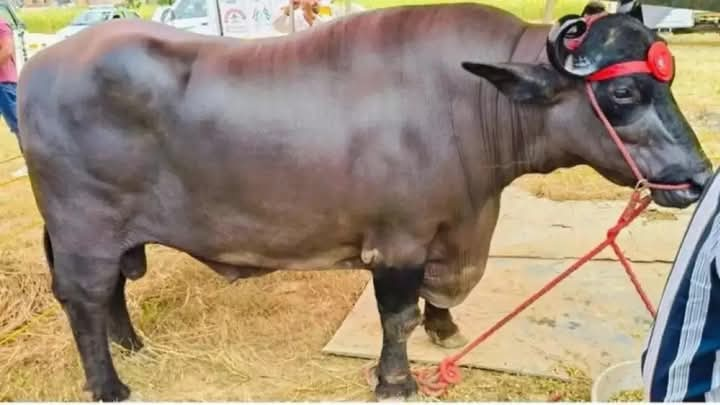
A bull worth approximately 23 crore Indian rupees (about 80 crore Sri Lankan rupees) has been reported from India’s Haryana state. Named Anmol, this bull weighs 1,500 kilograms. Anmol’s favorite foods include eggs, milk, and almonds. Anmol is also presented at agricultural exhibitions in Haryana state, where he manages to captivate the attention of visitors. It is reported that 1,500 rupees are allocated for Anmol’s daily food, and he is given only selected foods. Daily, Anmol consumes 250 grams of almonds, four kilograms of apples, 30 bananas, five liters of milk, and 20 eggs. In addition to his daily meals, Anmol also eats cake, green foods, ghee, soybeans, and corn. It is also reported that the owner had to sell Anmol’s mother and sister to cover Anmol’s expenses. Despite the difficulties, the owner does not change Anmol’s lifestyle.
Naked man arrested for riding motorcycle

A man was arrested this morning by Kadugannawa police for riding a motorcycle from Colombo to Kandy while naked. Police said the 23-year-old man was arrested after a great effort by law enforcement. Several police officers observed the man riding the motorcycle along the Kandy-Colombo road and attempted to apprehend him, but none were able to catch him. The Kegalle and Mawanella police also pursued the man but were unsuccessful. After alerting the Kadugannawa and Peradeniya police, officers in Kadugannawa managed to stop the motorcycle using roadblocks. The arrested man has been identified as a 23-year-old resident of Ahangama. He is set to be produced before court today, where authorities will seek permission to obtain a mental health evaluation. Kadugannawa police are conducting further investigations under the direction of Senior Superintendent of Police for the Kandy Division, Anuruddha Bandaranaike. -By Shane Seneviratne-
Chinese snow village says sorry for using cotton wool to create fake snow
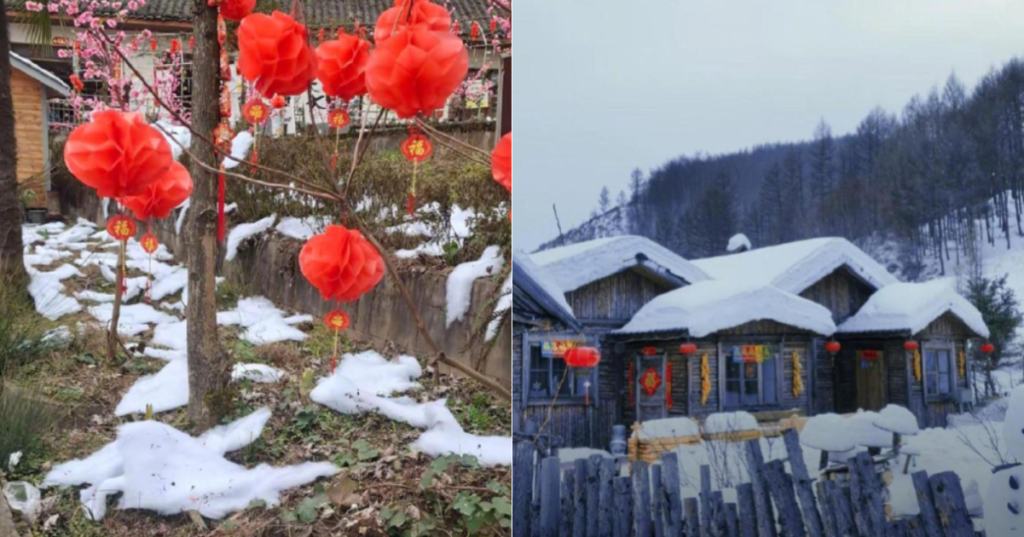
A tourist village in China’s south western province of Sichuan famed for its scenic snow landscape said it was sorry for using cotton wool and soapy water to create fake snow after online criticism from visitors went viral. In a post on its official WeChat account on February 8, the Chengdu Snow Village project said during the Lunar New Year holiday at the end of January, the weather was warm and the village did not take shape as anticipated. China is facing hotter and longer heatwaves and more frequent and unpredictable heavy rain as a result of climate change, the country’s weather bureau has warned. “In order to create a ‘snowy’ atmosphere the tourist village purchased cotton for the snow,” the Chengdu Snow Village project said in the statement. After receiving feedback from the majority of netizens, the tourist area began to clean up all the cotton. The village said it “deeply apologises” for the changes and that tourists could get a refund. The site has since been closed. Photos on WeChat showed large cotton wool sheets strewn about the grounds, only partially covering leafy areas. A thick snow layer appeared to blanket the houses in the zone but as you got closer, it was all cotton, said one netizen. “A snow village without snow,” said another user. “In today’s age of well-developed Internet, scenic spots must advertise truthfully and avoid deception or false advertising, otherwise they will only shoot themselves in the foot.” (ABC News)
Pope Francis in critical Condition

Pope Francis, aged 88, is currently in critical condition following a severe respiratory crisis. He was hospitalized on February 14 at Rome’s Gemelli Hospital due to a complex lung infection, which has since developed into bilateral pneumonia. The Vatican has reported that the Pope experienced a prolonged asthmatic respiratory crisis, necessitating high-flow oxygen therapy and blood transfusions to address a low platelet count. Despite being conscious and alert, his medical team emphasizes that he remains in a precarious state, with the risk of sepsis being a significant concern. In light of his health challenges, discussions regarding a potential successor have intensified within the Roman Catholic community. The College of Cardinals, responsible for electing a new pope, is reportedly engaging in behind-the-scenes deliberations. Figures such as Cardinal Matteo Zuppi and Cardinal Sean O’Malley have been mentioned as possible candidates, subtly positioning themselves through public engagements. These developments highlight the intricate political dynamics within the Vatican, reminiscent of a Renaissance court, with various factions and rivalries influencing the decision-making process. Meanwhile, in Latin America, the Pope’s birthplace, there has been an outpouring of support and prayers for his recovery. Catholics across the region, from Mexico to Argentina and Brazil, have participated in masses, lit candles, and offered individual prayers, reflecting a deep cultural and spiritual connection to the first Latin American pope. Despite a decline in the percentage of Catholics in the region over the past decades, the faithful remain devoted, rallying in solidarity during this critical time. As the situation unfolds, the Vatican has dismissed rumors of a potential resignation, emphasizing that discussions should focus on the Pope’s recovery. Pope Francis continues to work from his hospital bed, demonstrating resilience and dedication to his duties, even as he faces significant health challenges.
Sri Maha Bodhi: The World’s Oldest Tree with a Recorded History

The Sri Maha Bodhi tree, located in the sacred city of Anuradhapura, Sri Lanka, holds the distinction of being the oldest tree in the world with a documented history. This sacred fig tree (Ficus religiosa) has been protected and worshipped for over 2,300 years, making it a significant cultural, religious, and historical landmark. A Sacred Gift from India The Sri Maha Bodhi tree is a direct descendant of the original Bodhi tree in Bodh Gaya, India, under which Siddhartha Gautama attained enlightenment and became the Buddha. In the 3rd century BCE, Emperor Ashoka of India, a devoted follower of Buddhism, sent a cutting of the tree to Sri Lanka as a gift. This sacred sapling was brought by Ashoka’s daughter, Sanghamitta Theri, a Buddhist nun, and was planted in Anuradhapura in 288 BCE by King Devanampiya Tissa, one of Sri Lanka’s first Buddhist rulers. A Living Symbol of Buddhism Since its planting, the Sri Maha Bodhi tree has been a focal point of Buddhist worship in Sri Lanka. Devotees believe that paying homage to the tree brings blessings, protection, and spiritual merit. Every year, thousands of pilgrims visit the site to offer prayers, flowers, and oil lamps. Protection and Conservation Recognizing its importance, Sri Lankan kings and Buddhist monks have safeguarded the tree for centuries. It has been continuously tended to, making it the oldest known tree in the world to have received such long-term care and protection. Historical records document various kings constructing protective barriers and irrigation systems to ensure the tree’s well-being. In modern times, the tree is carefully maintained by the Sri Lankan government and Buddhist clergy. Measures have been taken to protect it from environmental threats, and a golden fence surrounds the tree to prevent damage. Surviving the Test of Time Despite its long history, the Sri Maha Bodhi tree has faced challenges, including natural disasters and human threats. In 1985, during the Sri Lankan Civil War, the site was attacked by extremists, causing damage to the area, but the tree survived. A UNESCO World Heritage Site Anuradhapura, where the Sri Maha Bodhi tree stands, is recognized as a UNESCO World Heritage Site due to its rich historical and religious significance. The ancient city is home to many other Buddhist monuments, including stupas, monasteries, and sacred ponds. The Legacy of Sri Maha Bodhi The Sri Maha Bodhi tree is not just a historical artifact; it remains a vital part of Sri Lanka’s Buddhist culture. It serves as a symbol of peace, enlightenment, and resilience. As the world’s oldest tree with a recorded history, it continues to inspire millions, reminding them of the deep spiritual and historical roots of Buddhism in Sri Lanka.