
Sri Lanka Tourism Surges Past 1.5 million Arrivals: A New Milestone for Island Recovery
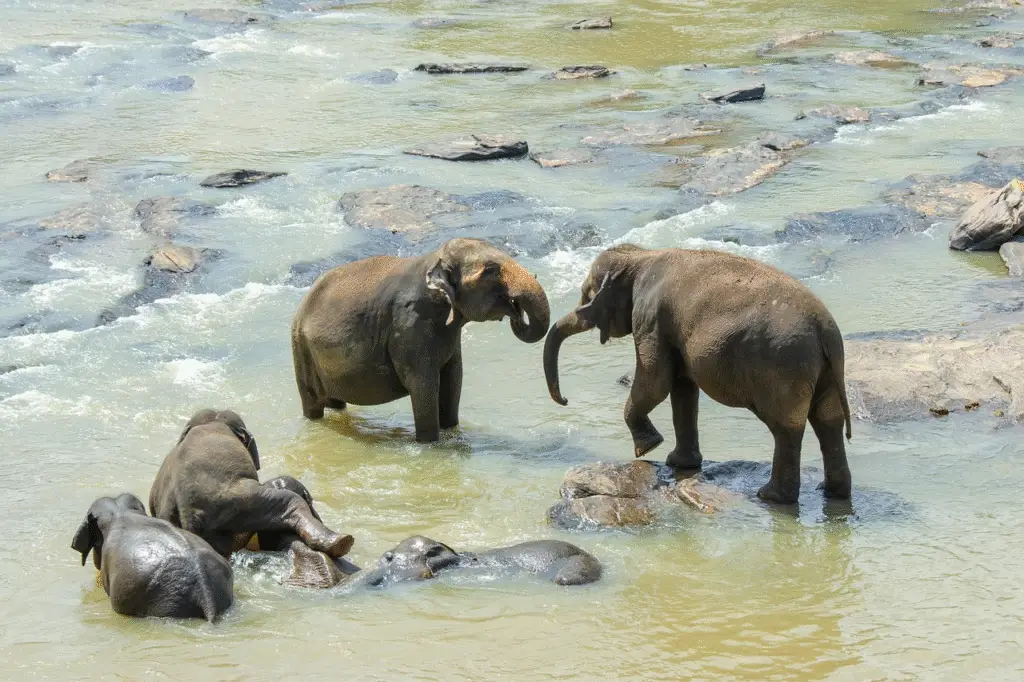
Sri Lanka’s tourism industry has officially powered past a major milestone, recording a cumulative 1,567,007 international tourist arrivals from January through early September 2026. The numbers, released by the Sri Lanka Tourism Development Authority (SLTDA), highlight the country’s continuous momentum and its status as one of South Asia’s most resilient and dynamic travel destinations. Steady Influx Points to Robust Recovery Data from the SLTDA reveals that the country welcomed 31,885 visitors during the first six days of September alone, proving that traveler interest remains strong even as the traditional summer peak tapers down into the shoulder season. Industry experts note that the steady influx is injecting critical foreign exchange into the local economy, benefiting communities, small businesses, and hospitality operators island-wide. Drivers Behind the Success Stakeholders credit the steady arrival figures to a multi-pronged approach combining aggressive international marketing, improved ease of travel, and diversified tourism packages. Beyond the classic ‘Sun and Sea’ offerings along the southern and eastern coastlines, travelers are increasingly exploring niche segments such as wildlife safaris in Yala and Wilpattu, tea-country excursions in Ella, and heritage trails across the Cultural Triangle. Furthermore, concerted efforts to streamline digital infrastructure, ensure tourist safety, and promote sustainable travel practices have helped enhance Sri Lanka’s global brand reputation. Looking Ahead to the Winter Season With the 1.5 million milestone safely surpassed well ahead of schedule, attention is now shifting toward the upcoming winter season—traditionally the peak window for international arrivals. Tourism authorities and hospitality leaders are actively collaborating with global airline partners to secure increased flight slots, aiming to capitalize on pent-up travel demand from Europe and North Asia. As local businesses prepare for the upcoming influx, Sri Lanka remains well on track to hit its broader annual targets, cementing its comeback as a premier global travel hotspot.
Vacancies at the National Water Supply and Drainage Board (Project Contract Basis)
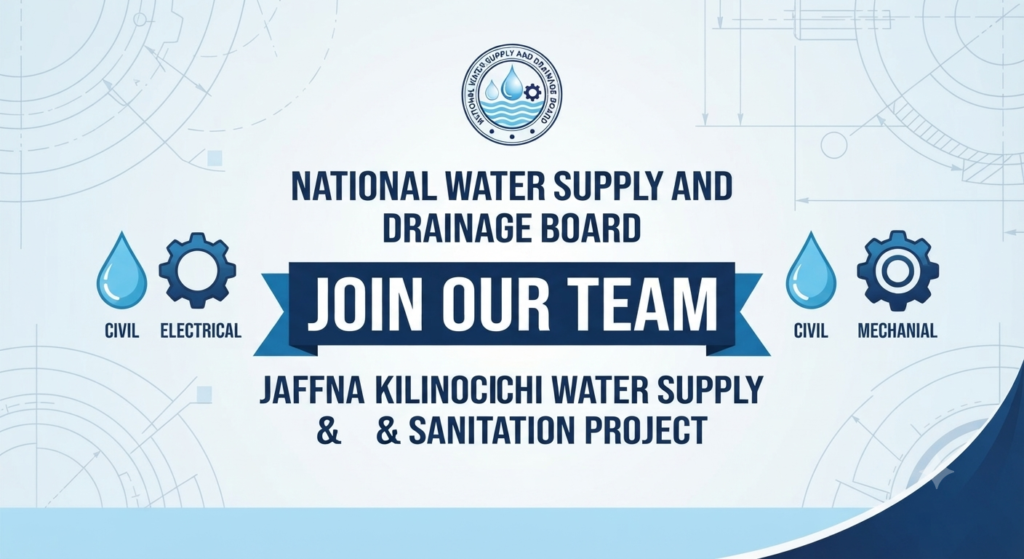
IntroductionThe Ministry of Housing, Construction and Water Supply and the National Water Supply and Drainage Board have announced career opportunities on a project contract basis. Applications are invited from qualified citizens of Sri Lanka for vacancies within the Jaffna Kilinochchi Water Supply & Sanitation Project.Vacancies Feature Image Prompt: A professional vector-style banner illustration for a water infrastructure project in Sri Lanka. The design features a modern engineering blueprint background, official water drop and gear icons representing civil, electrical, and mechanical engineering, and a bold “Join Our Team” banner layout incorporating the National Water Supply and Drainage Board corporate style.
Sri Lanka Named Among World’s Top 50 Food Destinations for 2026
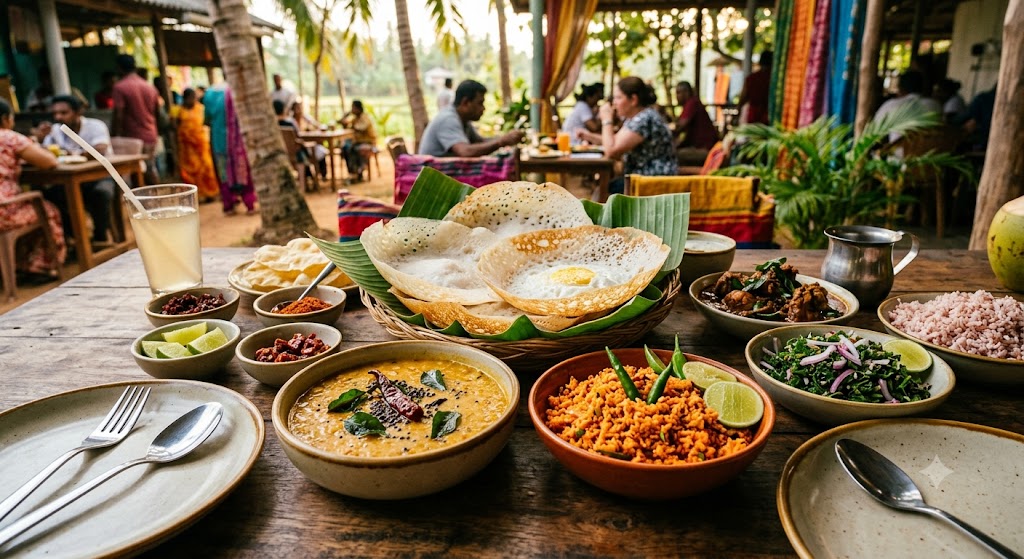
Sri Lanka’s rapidly ascending reputation as a world-class travel hotspot has hit a delicious new milestone. The island nation has officially earned international acclaim by securing a place on the prestigious Top 50 Food Destinations Around the World for 2026. The comprehensive editorial ranking, curated by global travel authority Travel And Tour World (TTW), evaluates destinations across a strict range of metrics. To make the cut, countries are judged on their culinary heritage, regional diversity, street food authenticity, sustainability practices, fine dining integration, and overall visitor experience. Spices, Street Food, and Sustainability According to TTW’s editorial experts, Sri Lanka stands out as a “vibrant culinary destination where aromatic spices, tropical ingredients, and centuries of cultural influences create unforgettable dining experiences.” The recognition celebrates the vast spectrum of the island’s food ecosystem—spanning from the fiery rush of Colombo’s street-food stalls to high-end coastal culinary innovations. While global heavyweights like Mexico, Italy, and Spain claimed the top three positions on the global index, Sri Lanka’s inclusion at number 50 highlights its emergence as a major player in modern culinary tourism. As international travel shifts away from generic sightseeing toward hyper-local, flavor-driven experiences, the island’s unique blend of coconut-infused curries, fresh coastal catch, and distinct regional micro-cuisines has proven irresistible to global food critics. Would you like to move on to Step 5, where we format the 10 essential culinary hotspots into a clean, mobile-responsive WordPress Table Block?
HIRU TV IN HOT WATER: FACES 2ND SERIOUS ALLEGATION OF FAKE NEWS
CPC Petitions Ministry over “Grossly Misleading” $286 Crude Oil Pricing Report; Broadcaster Accused of Violating Licensing Conditions. Advertiser’s officially pull out as controversy brews. Hiru TV, operated by Asia Broadcasting Corporation (Pvt) Ltd., is facing a major regulatory crisis after the Ceylon Petroleum Corporation (CPC) formally accused the broadcaster of airing “maliciously false” information regarding national fuel procurement.In a strongly worded letter dated April 20, 2026, addressed to the Secretary of the Ministry of Health and Mass Media, the CPC Chairman called for an immediate investigation into a news segment aired on April 16. The report claimed that Sri Lanka had purchased crude oil at a staggering USD 286 per barrel, a figure the CPC says was fabricated through the “intentional distortion” of international market data. “Intentional Distortion”The CPC, which holds the sole legal authority to import crude oil into Sri Lanka under Act No. 28 of 1961, clarified that actual procurement prices for March and April stood between USD 66.99 and USD 71.99 per barrel.“The broadcaster appears to have taken the price of refined diesel which spiked globally due to Middle Eastern tensions and presented it as the price paid by the CPC for crude oil,” a senior CPC official stated.The corporation further alleged that despite issuing a formal media release to correct the record, Hiru TV persisted with the narrative. The broadcaster reportedly claimed an “HSBC official” had confirmed the $286 price, a statement the CPC insists was taken out of context to create a “national state of alarm.” A Pattern of ConductThis is the second high-profile legal challenge for the network in less than two months. In March 2026, the Court of Appeal delivered a landmark ruling involving Hiru TV, asserting that private broadcasters are “public authorities” subject to the Right to Information (RTI) Act.Legal experts suggest that this latest incident could be viewed as a “habitual breach” of media ethics. “The court has already established that using public airwaves carries a legal duty to verify facts,” said a constitutional lawyer. “Repeating such significant errors could jeopardize their broadcasting license.”Calls for Regulatory Action The CPC has requested the Ministry of Mass Media to:• Investigate License Violations: Determine if the broadcast breached the fundamental conditions of the station’s operating license.• Issue Directives: Establish strict guidelines for reporting on sensitive national economic data.• Accountability: Ensure the broadcaster is held responsible for potential public unrest and reputational damage to state institutions.“This is not just an error; it is a serious misuse of media freedom that threatens economic stability,” the CPC letter noted. As of press time, Asia Broadcasting Corporation has not issued a formal rebuttal to the CPC’s allegations. The Ministry of Mass Media is expected to convene a preliminary inquiry later this week.
Don’t Swim Here: 5 Most Dangerous Beaches in Sri Lanka (2026 Update)
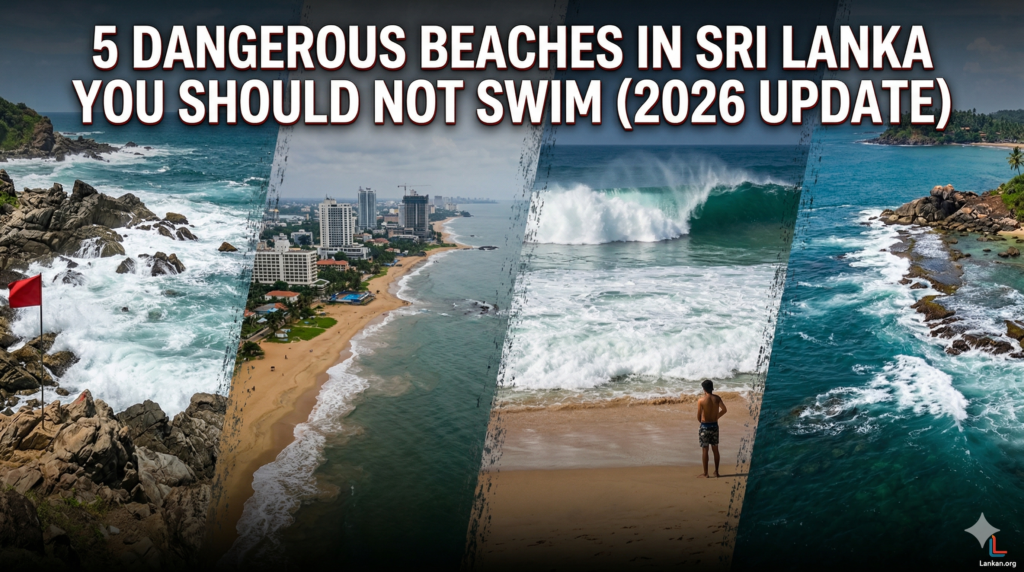
Sri Lanka’s coastline is breathtaking, but the Indian Ocean is unpredictable. Every year, tourists ignore the “Red Flags” and find themselves in life-threatening situations. If you are visiting in April or May 2026, here are the specific beaches where you should stay on the sand. 1. Kirinda Beach (The “Silent” Killer) Located on the southeast coast, Kirinda is stunning but notoriously dangerous. The underwater rock formations create massive, unpredictable rip currents. 2. Mount Lavinia (High Pollution & Drop-offs) While popular for its sunset views near Colombo, Mount Lavinia is not ideal for swimming in April 2026. 3. Nilaveli & Uppuveli (The Seasonal Shift) In April, the East Coast is just beginning to wake up. However, the sea isn’t always “settled” yet. 4. Tangalle – Goyambokka & Silent Beach These are the most beautiful beaches in Sri Lanka, but they are “Open Ocean” beaches. 5. Mirissa (The “Secret” Right Side) Mirissa is great, but the far right side (near the harbor/rocks) is a different story. How to Stay Safe: The “Lankan.org” Checklist
Jaya Sri Maha Bodhi Sapling in Australia Officially Named to National Trust Register of Significant Trees
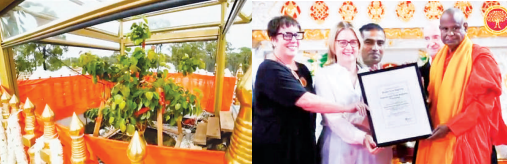
VICTORIA, AUSTRALIA – A sapling from the sacred Jaya Sri Maha Bodhi tree in Anuradhapura, Sri Lanka, which was formally planted two years ago at the Bodhi Dhamma Vihara in Bendigo, Victoria, has been officially included in the National Trust Register of Significant Trees in Australia. This historic event was celebrated at a grand ceremony held recently, marking a profound moment of cultural and religious significance for the Sri Lankan community in Australia and beyond. The sapling, meticulously cultivated and brought from Sri Lanka, holds immense spiritual value as a descendant of the original Bodhi tree under which the Buddha attained enlightenment. The inclusion of this sacred tree in the National Trust Register underscores its national and heritage significance within the Australian landscape. The register recognizes trees of outstanding natural and cultural value, and the Jaya Sri Maha Bodhi sapling’s placement is a testament to its unique history, religious importance, and the deep connection it represents between Sri Lanka and Australia. The ceremony was attended by a distinguished gathering, including religious leaders, government officials, and representatives from the Sri Lankan community. Notable attendees included the Chief Prelate of the Bodhi Dhamma Vihara, members of the Maha Sangha, the Victorian Opposition Leader, the Speaker of the Victorian Legislative Assembly, the Chairperson of the National Trust Heritage Committee, the Mayor of Bendigo, and other prominent figures. The successful inclusion of the Jaya Sri Maha Bodhi sapling in the National Trust Register of Significant Trees is a significant achievement that celebrates the rich cultural heritage and religious traditions shared between Sri Lanka and Australia. This sacred tree will now be protected and preserved for future generations, serving as a symbol of peace, spirituality, and enduring cultural ties.
Gem Businessman Goes Missing in Kahawatta; Motorbike and Mobile Found on Roadside
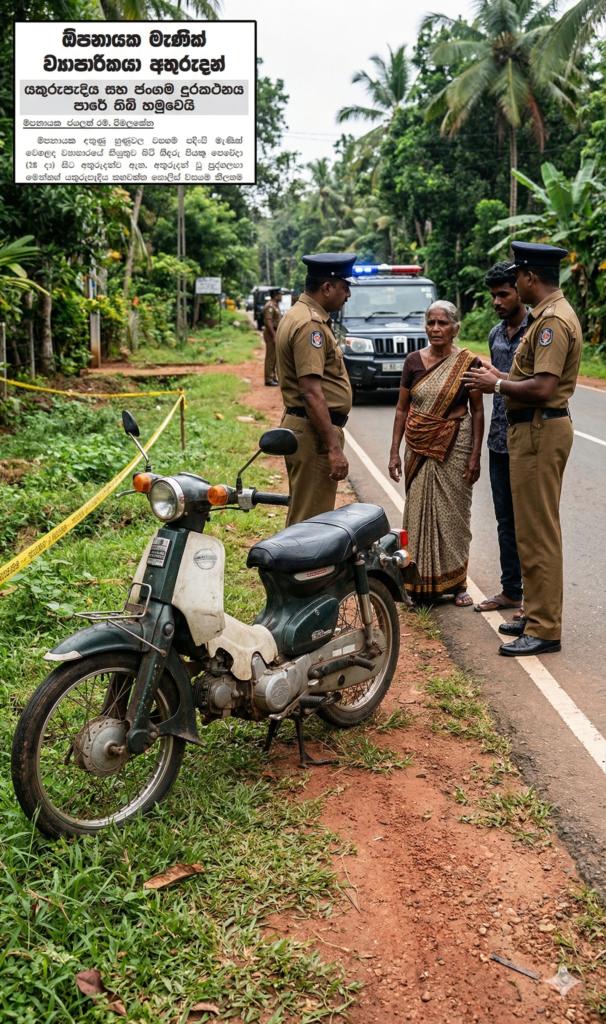
KAHAWATTA, SRI LANKA — The Kahawatta Police have launched a wide-scale investigation following the mysterious disappearance of a prominent gem businessman. The individual, identified as W.A. Anura (also known as “Dippanayaka”), a 61-year-old father of three, has been missing since March 28, 2026. Discovery of Belongings According to police reports, the businessman’s motorcycle was discovered abandoned on Nilagama Road within the Kahawatta Police division. In a concerning turn of events, investigators also recovered his mobile phone near the vehicle. Family members who arrived at the scene confirmed the identity of the motorcycle. Notably, while the ignition key was still in the bike, the businessman’s helmet was missing from the site, raising further questions about the nature of his disappearance. Timeline of Events The disappearance was reported to the Kahawatta Police by the victim’s wife after he failed to return home. Police Investigation Underway The Kahawatta Police, led by OIC Jayaratne and a dedicated team of officers, are currently conducting field search operations. Preliminary forensic checks on the mobile phone and motorcycle are being carried out to determine if any foul play was involved. Authorities have urged the public to provide any information regarding the whereabouts of W.A. Anura. As of now, no suspects have been detained, and the search continues in the surrounding areas of Nilagama.
Don’t Do This in Sri Lanka! (2026 Cultural & Legal Guide)
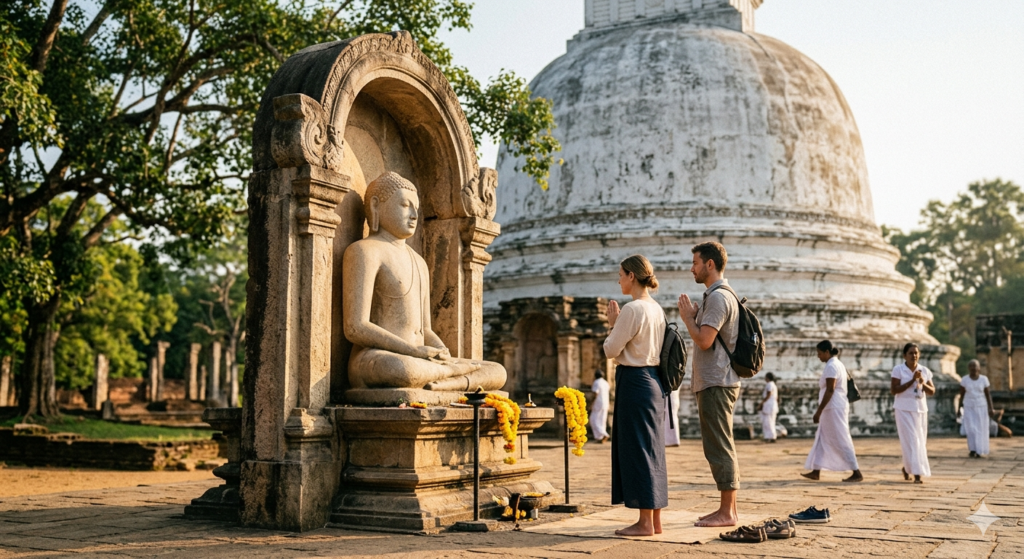
Exploring the “Pearl of the Indian Ocean” is a dream for many, but Sri Lanka is a land where ancient traditions and modern life walk hand-in-hand. To ensure your journey is as smooth as a Ceylon tea infusion, it’s vital to navigate the local “unwritten rules.” Whether you’re wandering through the ancient ruins of Anuradhapura or surfing the breaks in Arugam Bay, here is the definitive guide on what not to do in Sri Lanka. 1. Don’t Turn Your Back on Buddha In Sri Lanka, the Buddha is not a decorative element or a photo prop; he is a sacred figure. One of the most serious cultural faux pas you can commit is turning your back on a Buddha statue for a photo. 2. Don’t Disregard the Temple Dress Code Sri Lankan temples (Buddhist and Hindu) are active places of worship. Showing too much skin is considered deeply disrespectful and may result in you being denied entry. 3. Don’t Use Your Left Hand for Food or Greetings In traditional Sri Lankan culture, the left hand is reserved for personal hygiene and is considered “unclean.” 4. Don’t Be Casual About Buddhist Tattoos This is more than just a social taboo—it can be a legal issue. Sri Lanka has deported tourists in the past for having visible tattoos of the Buddha. 5. Don’t Photograph Government or Military Buildings While the civil war ended years ago, security remains a priority. High-Security Zones (HSZs) are scattered throughout the country, especially in Colombo and the North. 6. Don’t Underestimate the “Poya” Rules Every full moon is a public holiday in Sri Lanka known as Poya. It is a day of religious observance. 7. Don’t Forget to Haggle (But Keep It Friendly) If you’re jumping into a Tuk-Tuk without a meter or buying a souvenir at a local market, the first price quoted is rarely the final price. Quick “Don’ts” Checklist for 2026: Category What to Avoid Wildlife Don’t feed wild elephants on the roadside (it’s dangerous and alters their behavior). PDA Don’t engage in heavy public displays of affection; Sri Lanka remains conservative. Water Don’t drink tap water. Always opt for filtered or “Lion” brand bottled water. Clothing Don’t wear swimwear anywhere except the beach or the pool. Final Thought Sri Lankans are among the most hospitable people in the world. If you make a mistake, a genuine smile and a “Samavenna” (sorry) go a long way. Respect the culture, and the island will open its heart to you.
Iran Affirms Readiness to Support Sri Lanka with Oil and Essential Goods
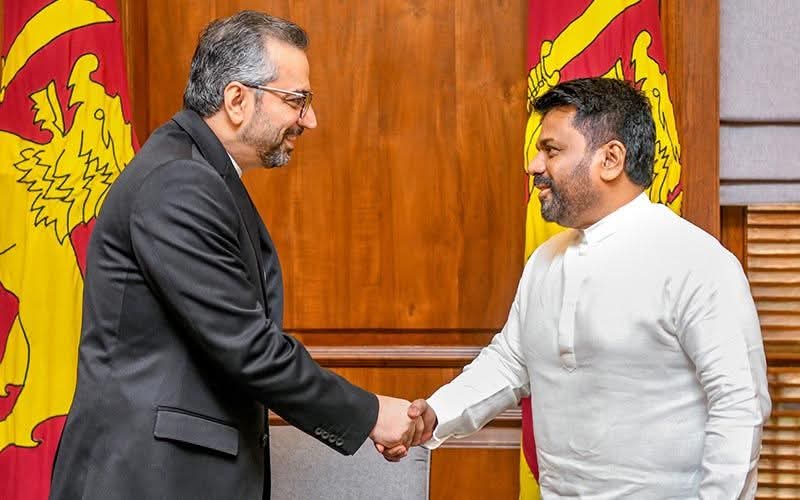
COLOMBO – The Iranian Ambassador to Sri Lanka, Dr. Alireza Delkhosh, has reaffirmed Tehran’s commitment to supporting Sri Lanka during any crisis, stating that Iran is prepared to provide oil and other essential commodities upon request. Addressing a media briefing today (March 23), the Ambassador emphasized the deep-rooted friendship between the two nations. He noted that if Sri Lanka faces shortages of fuel or other vital supplies, Iran stands ready to facilitate these requirements to ensure the island’s stability. Strategic Cooperation and Regional Security Ambassador Delkhosh addressed concerns regarding the Strait of Hormuz, a critical global shipping lane. He clarified that while regional tensions exist, Iran has not closed the passage to its friendly partners. ”Sri Lanka is a highly respected and friendly nation to us. We have no desire to see Sri Lanka fall into difficulty, and the Strait of Hormuz remains open for our friends,” the Ambassador stated. Gratitude for Maritime Assistance The Ambassador also took the opportunity to express formal gratitude for Sri Lanka’s humanitarian intervention following the incident involving the Iranian vessel ‘IRIS Dena’. He highlighted that the Sri Lankan authorities acted swiftly to rescue and assist the personnel on board even before a formal request was made by the Iranian government. This proactive gesture, he noted, is a testament to the strong bilateral ties and mutual respect shared by the two countries. Source: Daily Mirror / NewsWire (March 23, 2026)
Sri Lanka Reaffirms Neutrality, Denies Landing for US Warplanes Carrying Anti-Ship Missiles
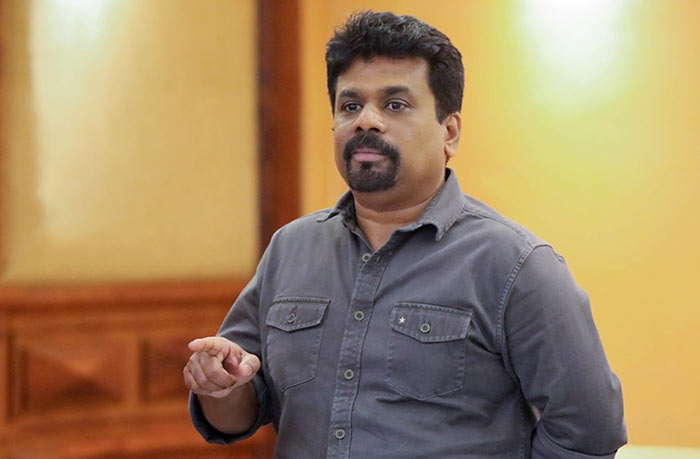
In a significant move to maintain its non-aligned foreign policy, Sri Lanka has denied a request from the United States to land two combat aircraft at the Mattala Rajapaksa International Airport (MRIA). Addressing Parliament, President Anura Kumara Dissanayake confirmed that the request was made on February 26, just two days before the escalation of military tensions between the US, Israel, and Iran. The US had sought permission to land two warplanes, reportedly carrying eight anti-ship missiles from a base in Djibouti, between March 4 and 8. Balancing Global Pressures President Dissanayake noted that the government faced considerable pressure but remained firm in its stance. He revealed that on the same day the US made its request, Iran had also requested permission for three naval vessels to conduct a “goodwill visit” to Sri Lanka. To ensure the country did not appear to take sides in the intensifying Middle Eastern conflict, the Sri Lankan government denied both requests. ”With two requests before us, the decision was clear,” the President told lawmakers. “Had we said ‘yes’ to Iran, we would have had to say ‘yes’ to the US as well. We turned down the requests to maintain Sri Lanka’s neutrality.” Context of Regional Tensions The decision comes at a time of high geopolitical volatility. Recently, the Sri Lankan Navy played a crucial role in humanitarian efforts, rescuing 32 Iranian crew members from the IRIS Dena after it was reportedly struck by a US submarine off the coast of Sri Lanka. Shortly after, the Navy also assisted in the evacuation of over 200 crew members from a second Iranian vessel, the IRIS Bushehr. As global powers like Switzerland also move to halt arms exports to avoid entanglement in the conflict, Sri Lanka’s refusal to host foreign warplanes underscores its commitment to remaining a neutral zone in the Indian Ocean. The President’s statement was met with widespread approval in Parliament, signaling a unified domestic front on the nation’s “Friendship to all, enmity to none” foreign policy. Source: Al Jazeera